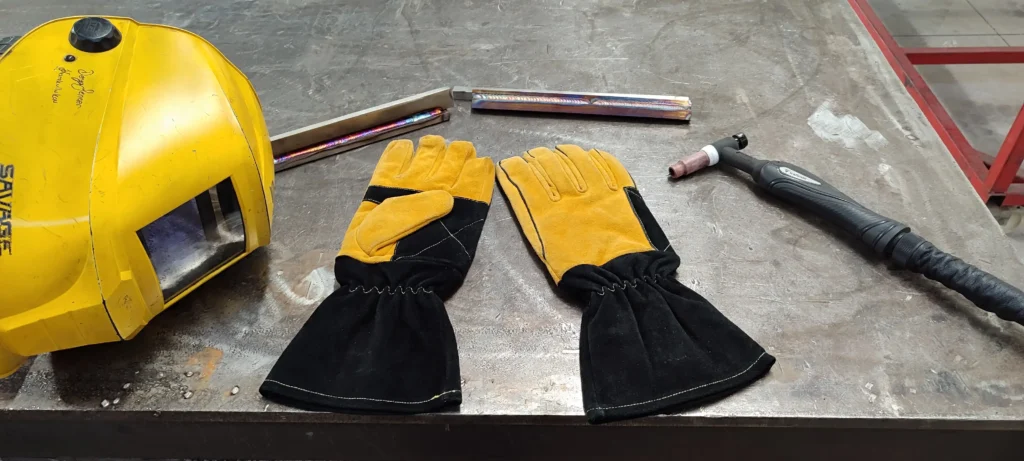
How Long Do Welding Gloves Last? Inspection and Replacement Guide
Welding gloves do not have a fixed lifespan. A pair may last for several weeks, several months, or longer depending on the welding process, frequency of use, heat exposure, sparks and spatter, leather type, glove construction, maintenance, and exposure to liquids such as oil and grease. The way the gloves are used also plays an important role in determining how quickly they wear out.
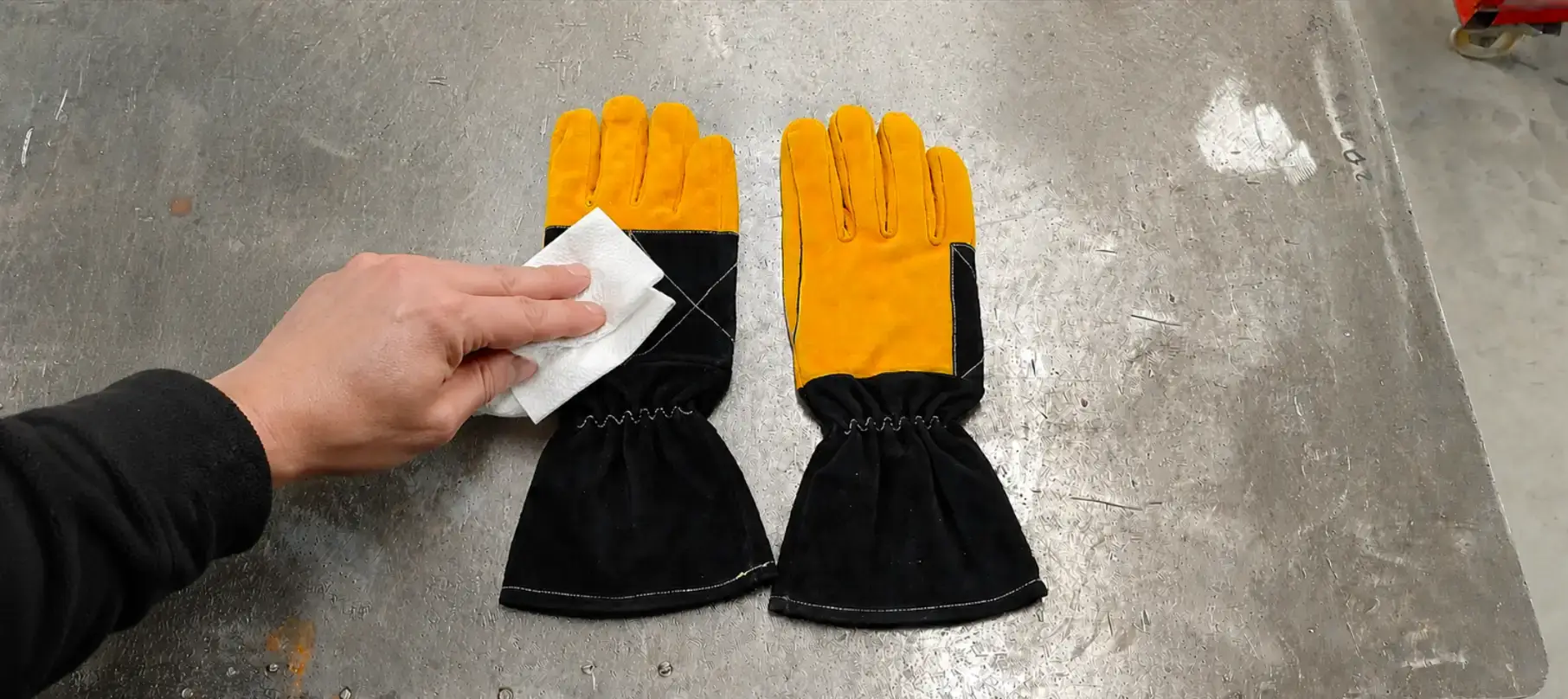
With more than 12 years of professional welding experience:
I have found that the calendar alone is not a reliable way to judge welding glove lifespan. The condition of the gloves and the type of work they have been exposed to matter more. The welder's skill also makes a difference. An experienced welder generally knows how to position and handle materials correctly, which can reduce unnecessary heat, abrasion, and spatter exposure. An inexperienced or amateur welder may make more mistakes during the work, causing the gloves to become damaged more quickly.
In this guide, you will learn how long welding gloves can realistically last, what causes them to wear out faster, how leather type affects durability, how to inspect them before use, when to replace damaged gloves, and how proper cleaning, drying, storage, and handling can help extend their useful service life.
If you are looking for a broader foundation before focusing specifically on service life, see our complete guide to welding gloves, which covers glove types, selection, protection, and application.
How Long Do Welding Gloves Last?
Welding gloves can last from several weeks to several months or longer, depending on the welding process, workload, heat, spatter, leather construction, contamination, maintenance, and handling. There is no universal replacement schedule; the glove’s physical condition and ability to provide adequate protection should determine when it is replaced.
How Long Do Welding Gloves Usually Last?
Quality welding gloves can last from several weeks to several months, and sometimes longer under lighter-use conditions. Their service life depends on the welding process, heat exposure, frequency of use, sparks and spatter, leather quality and thickness, glove construction, stitching, lining, size and fit, certification and applicable safety standards, contamination, and how well the gloves are maintained.
When comparing protective requirements, it is also useful to understand the difference between the EN 388 and EN 407 standards and EN 12477 Type A vs Type B.
There is no universal expiration period for welding gloves because working conditions vary significantly from one welder to another. Two pairs of gloves can be the same age but have very different levels of wear. For this reason, the condition of the gloves is more important than their age alone. Gloves should be inspected regularly and replaced when their protective performance or structural integrity has been compromised.
What Determines Welding Glove Lifespan?
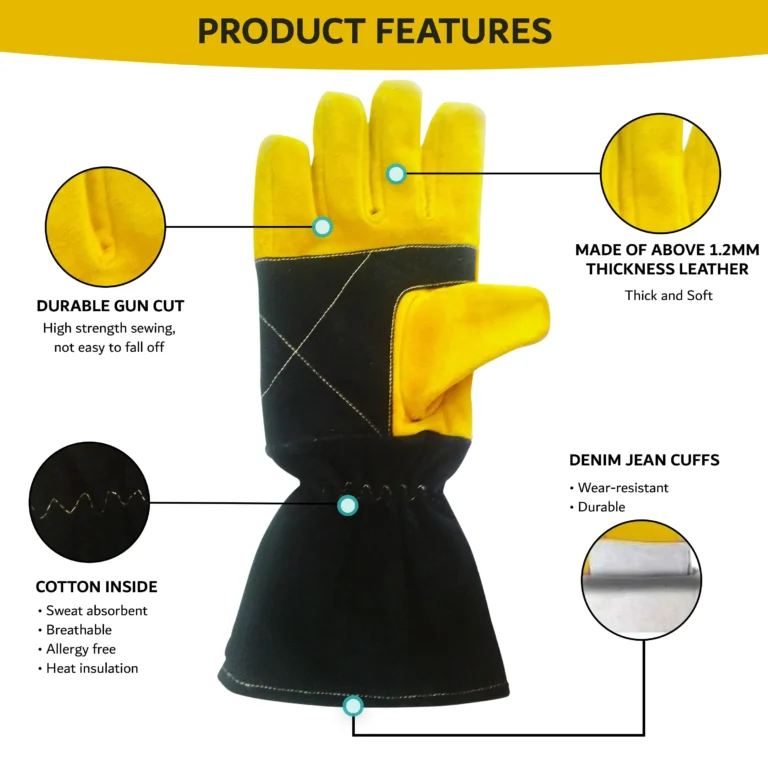
Several factors determine how long welding gloves remain effective. The most important factors are the welding application, heat and spatter exposure, glove materials and construction, frequency of use, contamination, maintenance, and the way the gloves are handled during work.
- Welding process: MIG, TIG, Stick, and Flux-Cored welding expose gloves to different levels of heat, sparks, spatter, abrasion, and handling demands. A glove suitable for one process may wear faster when used for another application.
- Amperage and heat exposure: Higher-amperage welding and repeated exposure to intense heat can accelerate leather deterioration, hardening, shrinkage, and loss of flexibility.
- Frequency and duration of use: Gloves used for several hours every day generally experience much more wear than gloves used occasionally. The total amount of work performed is therefore more meaningful than the glove’s calendar age alone.
- Amount of sparks and spatter: Continuous exposure to sparks, molten metal, and hot spatter gradually damages leather and stitching. Thicker leather can generally tolerate more spatter than thinner leather, but repeated exposure will eventually affect any glove.
- Leather thickness and type: Thick split leather and other heavy-duty leathers are generally selected for higher heat and spatter exposure, while thinner leathers such as goatskin and deerskin are often chosen when dexterity is more important. The appropriate material depends on the application.
- Stitching and construction: Strong stitching, reinforced stress points, properly constructed seams, and a well-designed glove can contribute to longer service life. Once seams or stitching begin to fail, the glove’s protective integrity can be compromised.
- Lining quality: The inner lining affects comfort, moisture management, breathability, and heat management. A poor-quality or damaged lining can make gloves uncomfortable and may shorten their useful life.
- Oil and grease contamination: Exposure to oil, grease, and other substances can affect leather performance and may make the glove slippery or less suitable for handling materials safely. Contaminated gloves should be assessed carefully before continued use.
- Cleaning and storage: Appropriate cleaning, drying, and storage can help preserve leather and other glove components. Leather gloves should be cared for according to the manufacturer’s instructions and should not be exposed unnecessarily to excessive moisture or direct heat.
- How the gloves are actually used: Handling hot materials incorrectly, placing gloves on hot surfaces, using the wrong glove for a particular task, or subjecting them to unnecessary abrasion can significantly shorten their service life.
Ultimately, welding glove lifespan is determined by the combination of exposure, construction, material quality, workload, and handling. A high-quality glove used correctly in an appropriate application can remain effective considerably longer than a lower-quality or incorrectly selected glove exposed to the same working conditions.
Welding Glove Lifespan by Welding Process
The welding process has a major effect on welding glove lifespan because different processes expose gloves to different levels of heat, sparks, spatter, abrasion, and handling. The welder’s responsibilities also matter. Understanding the different types of welding gloves for MIG, TIG, and Stick can also help explain why glove lifespan varies between welding processes. In some workshops and factories, a welder mainly fits and welds components. In other workplaces, the same worker may also perform grinding, cutting, material handling, and other fabrication tasks. These additional activities can increase abrasion and mechanical wear, which may shorten glove service life.
How Long Do MIG Welding Gloves Last?
Quality MIG welding gloves can last several months under regular conditions, but their actual service life depends on workload, heat, amperage, spatter, leather quality, and how the gloves are used. Heavy daily MIG work can wear gloves considerably faster than occasional welding, especially when the palms, fingertips, and seams receive continuous heat and spatter exposure.
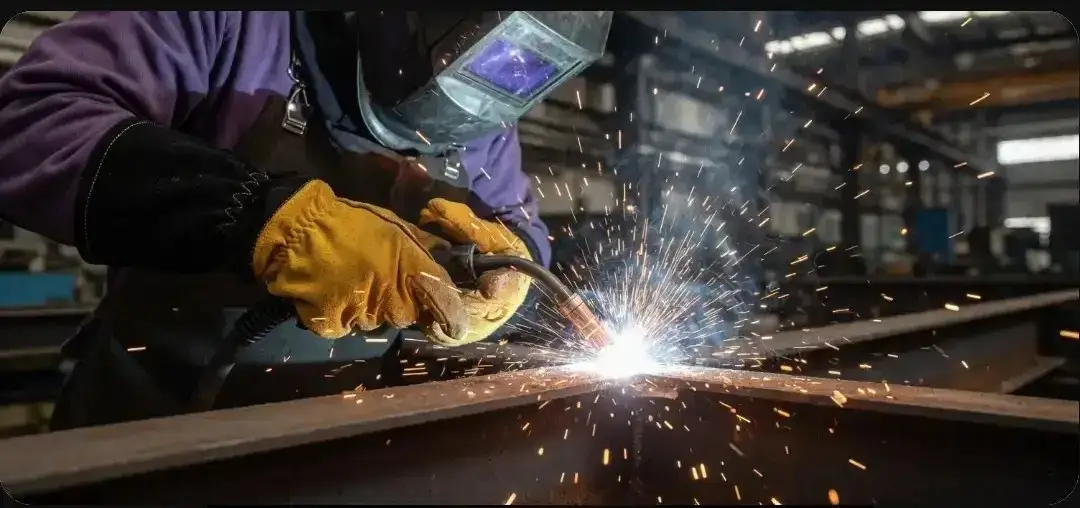
MIG welding can produce moderate to high levels of spatter, particularly during demanding applications. Repeated exposure to molten metal, heat, and sparks gradually affects the leather, stitching, and other glove components.
Higher-amperage MIG work generally places greater thermal stress on gloves. For this reason, thicker leather and appropriately constructed welding gloves are often preferred for applications involving greater heat and spatter.
The palm, fingertips, and thumb area can experience particularly high wear because they are continuously involved in handling the workpiece, torch, and welding equipment. Heavy-duty MIG work can therefore shorten glove life more quickly than moderate or occasional MIG welding.
How Long Do TIG Welding Gloves Last?
TIG welding gloves can last several months or longer in suitable conditions, but thinner leather can wear faster when exposed to excessive heat, abrasion, or frequent use. TIG gloves are commonly designed to provide greater dexterity and touch sensitivity, so their thinner construction may offer less resistance to heavy heat and spatter than thicker welding gloves.
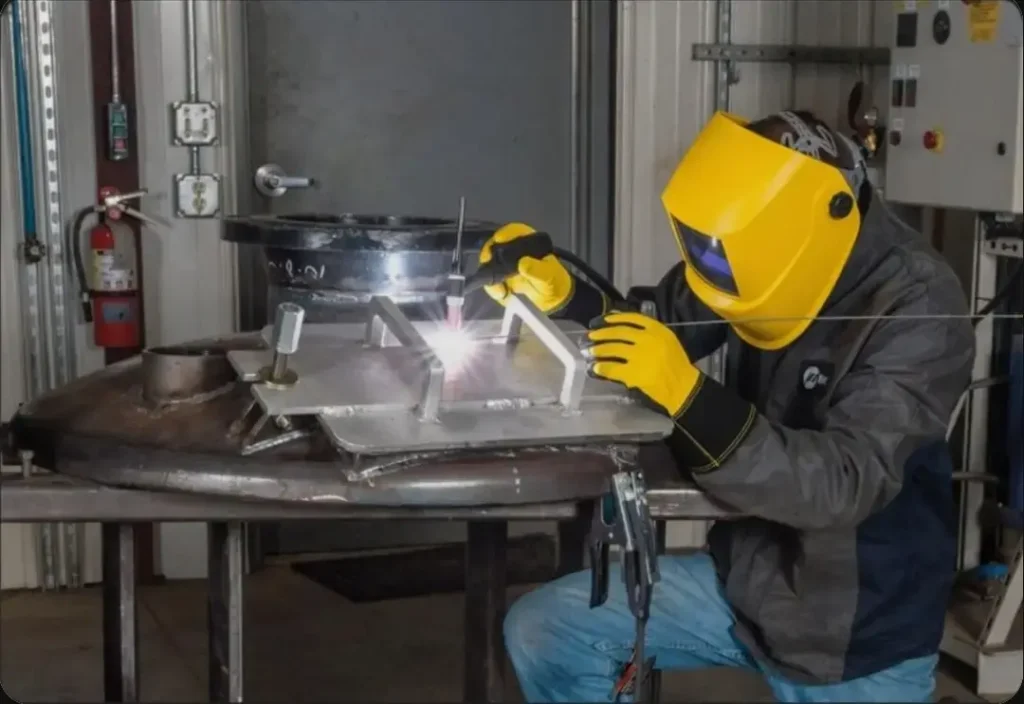
TIG welding generally produces less spatter than many MIG, Stick, and Flux-Cored applications, which can reduce one source of glove damage. However, the hands can remain close to the heat for extended periods, making thermal exposure an important factor.
Thinner materials such as goatskin and deerskin can provide excellent flexibility and dexterity, but they should be selected according to the actual welding conditions. Using a thin glove in an application with excessive heat, sparks, or abrasion can significantly shorten its service life.
How Long Do Stick Welding Gloves Last?
Stick welding gloves can experience high levels of heat, sparks, spatter, slag, and abrasion, so their service life may be shorter in demanding applications. Thick, durable leather such as split leather is often appropriate for Stick welding because it provides greater resistance to the harsh conditions associated with the process.
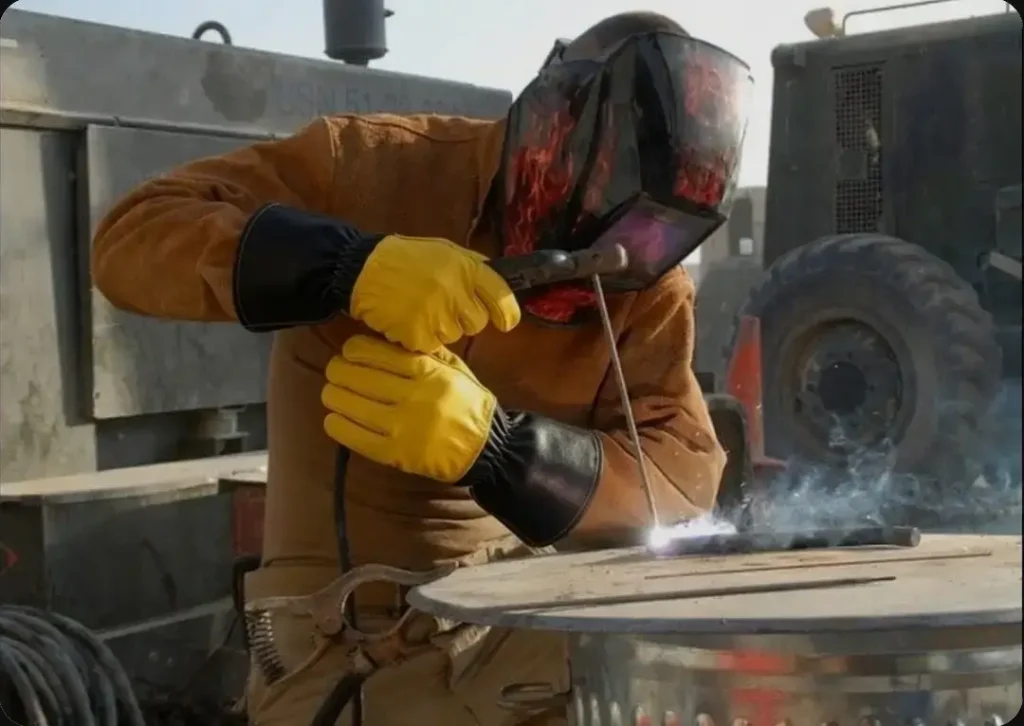
The electrode and workpiece also create additional handling demands. Repeated contact with hot materials, slag removal, and abrasive surfaces can gradually wear the palms, fingers, seams, and cuffs.
For heavy Stick welding, the glove should be selected primarily for adequate heat and spatter protection, while still providing enough flexibility for safe electrode handling and other necessary tasks.
How Long Do Flux-Cored Welding Gloves Last?
Flux-Cored Arc Welding (FCAW) can produce substantial heat and spatter, which can accelerate glove wear compared with lighter-duty welding applications. The actual lifespan depends on amperage, welding duration, spatter exposure, leather construction, and whether the gloves are also used for handling or fabrication work.
FCAW can place considerable stress on the leather, seams, fingertips, and palms. Gloves used continuously in high-spatter environments may therefore require more frequent inspection and replacement than gloves used for lighter applications.
For demanding FCAW work, prioritize durability, heat protection, appropriate leather thickness, and secure construction rather than choosing a glove based only on flexibility or price.
Welding Process and Its Effect on Glove Service Life
| Welding Process | Typical Exposure | Primary Wear Factors | Glove Selection Focus |
|---|---|---|---|
| MIG / GMAW | Moderate to high heat and spatter | Heat, spatter, abrasion, frequent hand movement | Heat and spatter protection with durable construction |
| TIG / GTAW | Heat with generally lower spatter | Heat exposure, thin leather, abrasion, frequent use | Balance heat protection with dexterity and flexibility |
| Stick / SMAW | High heat, sparks, spatter, and slag | Heat, sparks, slag, abrasion, electrode handling | Durable leather, heat protection, and adequate coverage |
| Flux-Cored / FCAW | High heat and potentially substantial spatter | Spatter, heat, abrasion, and frequent handling | Durability, heat protection, and appropriate leather thickness |
Expert Point:
How welding process affects glove lifespan: Welding process directly influences the type and intensity of exposure a glove receives. High-heat and high-spatter applications generally accelerate wear, while thinner TIG gloves may experience faster material wear because they are designed to prioritize dexterity. The correct glove should therefore be matched to the welding process, heat level, spatter exposure, and actual work performed.
How Does Leather Type Affect Welding Glove Lifespan?
Leather type has a direct effect on welding glove lifespan, but the most durable leather is not automatically the best choice for every welding application. Leather thickness, construction, heat exposure, spatter, contamination, and the type of work being performed all influence how quickly a glove wears out. For a broader comparison of leather properties, see our guide to welding glove materials.
Split Leather and Thick Leather
Split leather and other thick leathers are commonly used for demanding welding applications because their greater thickness can provide stronger resistance to heat, sparks, spatter, and abrasion. However, repeated exposure to high heat can gradually change the physical condition of the leather and shorten its useful service life.
From my 12+ years of professional welding experience, I have observed that thick and split leather can gradually lose its natural leathery texture and become wrinkled when repeatedly exposed to high heat, particularly when the welder’s hands remain close to the heat source. Continued exposure can cause the leather to become harder, less flexible, and eventually more susceptible to shrinkage.
This effect can become more noticeable during high-amperage welding or when gloves are repeatedly used to handle very hot objects. As the leather shrinks or loses flexibility, the glove may no longer fit or perform as intended, which can reduce its practical protective effectiveness.
Oil and grease contamination can also accelerate problems with leather gloves. Gloves that become saturated with oil or grease may become slippery and unsuitable for certain handling tasks, while contaminated leather can also create additional safety concerns around heat and ignition sources.
Thick leather generally tolerates more sparks and spatter than thinner leather, but that does not mean it is unaffected by continuous exposure. Even heavy-duty split leather eventually deteriorates when subjected to repeated high temperatures, excessive spatter, contamination, or improper use.
For a more detailed comparison of these materials, see our guide to split leather vs grain leather welding gloves.
Goatskin, Deerskin and Other Thin Leathers
Thin leathers such as goatskin and deerskin are often selected when dexterity, flexibility, and hand sensitivity are important. Their lower material thickness can make them comfortable for precision work, but it also means they generally have less tolerance for excessive heat, heavy spatter, and abrasion than thicker heavy-duty leather gloves.
When thin leather gloves are exposed to excessive heat for extended periods, they can shrink, harden, or lose their effectiveness more quickly. Oil and grease contamination can also affect their condition and make handling less secure. For this reason, thin leather should not be treated as though it provides the same level of durability as a heavy split-leather glove.
The right choice depends on the application. A thin glove can be an excellent option when dexterity and controlled heat exposure are priorities, while a thicker glove may be more appropriate for high-spatter or high-heat work. Our guide to cowhide vs goatskin welding gloves provides a broader comparison of leather characteristics and applications.
Why Does Glove Lining Matter?
The inner lining is an important but often overlooked part of welding glove construction. A quality lining can improve comfort, moisture management, and thermal insulation, while a poor-quality or damaged lining can make gloves uncomfortable and may reduce their practical service life.
A breathable lining helps manage sweat and moisture inside the glove. During prolonged welding, excessive sweating can make the hands uncomfortable and can contribute to unpleasant odors. A lining that does not manage moisture effectively may also become compressed or deteriorate over time.
The lining also contributes to heat insulation and overall comfort. If the lining becomes excessively compressed, displaced, torn, or damaged, the glove may not provide the same level of comfort or insulation it provided when new.
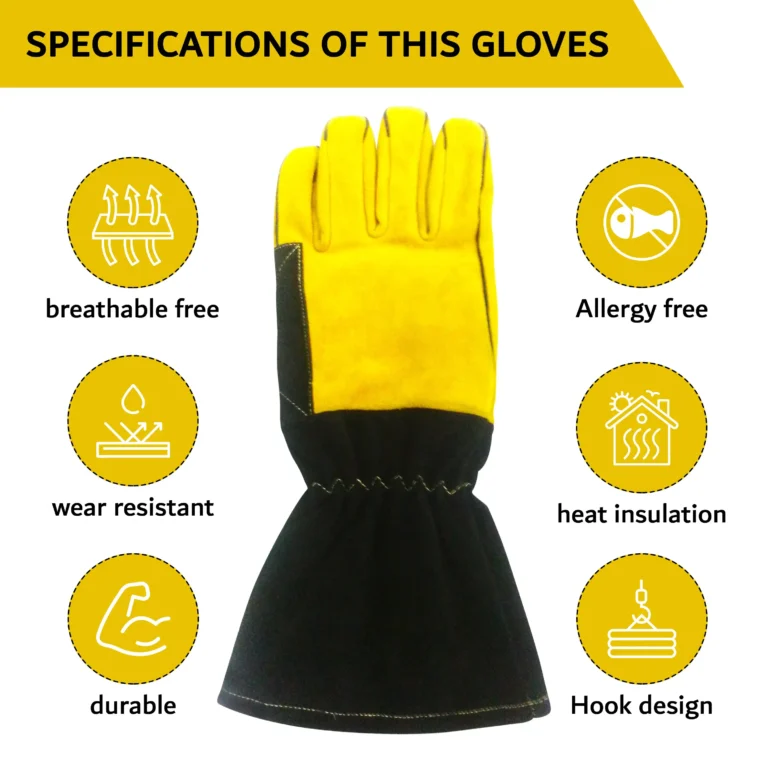
For this reason, inspecting welding gloves should involve more than looking at the outside leather. Check the lining as well, particularly around the fingertips, palm, and areas where the lining may move or compress during repeated use. A glove can have leather that appears acceptable externally while its internal lining has already become worn or damaged.
Ultimately, leather quality and lining quality work together. Durable outer leather can help resist heat and abrasion, while a properly constructed, breathable lining supports comfort, moisture management, and insulation during extended welding work.
What Causes Welding Gloves to Wear Out Faster?
Welding gloves wear out faster when they are exposed to excessive heat, heavy spatter, abrasion, contamination, moisture, or improper storage. The welding process and workload also matter. High-amperage work can accelerate heat damage, while oil, grease, poor drying, and repeated handling of hot materials can further reduce leather flexibility, durability, and overall glove performance.
The main factors are:
1. Excessive Heat and High Amperage
Repeated heat exposure is one of the main causes of welding glove deterioration. Higher amperage can increase the thermal load placed on the glove, but amperage alone does not determine how quickly a glove will wear out. Welding duration, distance from the heat source, workpiece temperature, glove material, and how the glove is used all matter. For a broader explanation of how thermal protection relates to glove selection, see our guide to heat-resistant welding gloves.
Continued exposure to high temperatures can cause leather to harden, wrinkle, shrink, lose flexibility, and gradually deteriorate. This is particularly important when the welder’s hands remain close to the heat for extended periods.
2. Excessive Sparks and Spatter
Continuous exposure to sparks and hot spatter gradually damages leather, regardless of the leather type. From my professional experience, thicker split leather generally tolerates more spark and spatter exposure than thinner leathers such as goatskin or deerskin. However, no leather remains unaffected by continuous heavy spatter.
Repeated spatter can eventually cause surface damage, hardening, discoloration, thinning, or deterioration of the leather and stitching. The amount of spatter a glove encounters should therefore be considered when selecting and inspecting welding gloves.
3. Oil and Grease Contamination
Oil and grease can negatively affect leather welding gloves and make the surface slippery, which can reduce secure handling of tools or materials. Contaminated gloves can also present additional fire and heat-related concerns, particularly when they are used around sparks, flames, or hot metal. Gloves that become heavily contaminated should be carefully assessed and replaced when their protective condition is compromised.
4. Carrying Hot Objects
Welding gloves provide heat protection, but they are not automatically designed for unlimited handling of extremely hot objects. Repeatedly carrying very hot materials can expose the leather to temperatures beyond its intended use and accelerate hardening, shrinkage, or other damage. Always consider the glove’s intended application and manufacturer specifications before handling heated materials.
5. Poor Storage and Drying
Improper storage can shorten the useful life of welding gloves even when they are not being used.
- Hot surfaces: Leaving gloves on a welding table, hot workpiece, or other heated surface can continue exposing the leather to unnecessary heat.
- Direct heat: Radiators, heaters, flames, or other intense heat sources can cause leather to dry excessively, harden, or shrink.
- Excessive moisture: Repeatedly leaving gloves wet can affect leather and lining performance and encourage unpleasant odors.
- Poor ventilation: Storing damp gloves in an enclosed area prevents proper drying and can contribute to odor and material deterioration.
After use, allow gloves to dry naturally in a clean, well-ventilated area and store them away from excessive heat, moisture, oil, grease, and other contaminants.
to OSHA’s PPE guidance. OSHA specifically identifies leather gloves as protection against sparks, moderate heat, blows, chips and rough objects, and its hot-work guidance addresses heat, sparks, slag and contamination.
How Do You Know When Welding Gloves Need to Be Replaced?
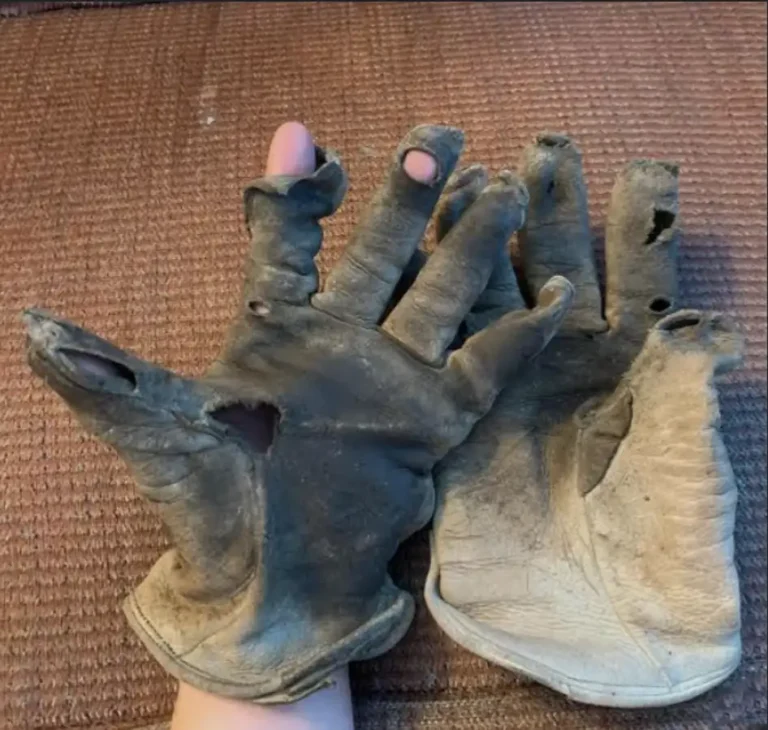
Welding gloves should be replaced when they have holes, burn-through, severe thinning, damaged stitching, significant heat damage, contamination, or a compromised lining or fit. The glove’s age alone does not determine replacement. Before each use, inspect the leather, seams, cuffs, lining, flexibility, and fit to make sure the gloves can still provide appropriate protection for the intended welding application.
A small amount of surface wear does not necessarily mean that a glove must be replaced immediately. However, when the glove’s protective structure or ability to fit and function correctly has been compromised, continued use may no longer be appropriate.
Replace Welding Gloves If You Find:
- Holes or burn-through that expose the hand to heat, sparks, or spatter.
- Significant thinning of the leather, especially on the palms, fingertips, or other high-wear areas.
- Hardened or badly cracked leather that has lost its flexibility or shows significant heat damage.
- Severe shrinkage or distortion that changes the glove’s shape or reduces its protective coverage.
- Open seams where the glove’s construction is beginning to separate.
- Broken or significantly damaged stitching that affects structural integrity.
- Damaged cuffs that reduce wrist coverage or allow excessive exposure.
- Damaged, displaced, or deteriorated lining that affects comfort, insulation, or proper fit.
- Persistent oil, grease, or chemical contamination that cannot be appropriately addressed according to the manufacturer’s care instructions.
- Noticeably reduced heat protection, particularly when the glove has experienced repeated or excessive heat exposure.
- Loss of proper fit, including excessive looseness, shrinkage, distortion, or internal lining problems that affect secure hand movement.
The key principle is simple:
replace the glove when its protective condition can no longer be relied upon for the work being performed. A glove does not need to look completely destroyed before it becomes unsuitable for use.
How to Inspect Welding Gloves Before Each Use
A quick inspection before every use can help identify damage before it becomes a more serious problem. A professional inspection should focus on the areas that receive the most heat, abrasion, movement, and spatter, rather than only looking at the overall appearance of the glove.
Step 1 — Inspect the Palm and Fingertips
Examine the palm, fingertips, and finger surfaces for holes, thinning, cracks, burn marks, stiffness, or excessive wear. These areas frequently experience contact with tools, workpieces, and welding equipment and can deteriorate faster than less-used areas.
Step 2 — Check the Thumb and Finger Seams
Inspect the thumb area, finger joints, and seams carefully. Look for loose threads, separated seams, broken stitching, or areas where the leather is beginning to pull apart. Damage in these areas can reduce the glove’s structural integrity even when the outer leather still appears acceptable.
Step 3 — Inspect the Cuff
Check the cuff and wrist area for excessive wear, cracks, holes, deformation, or damaged stitching. The cuff is important because it provides additional coverage between the glove and the sleeve or other protective clothing.
Step 4 — Check the Lining
Turn the glove’s opening toward you and check whether the inner lining is intact, properly positioned, and free from significant damage. Look for excessive compression, tears, displacement, or deterioration, particularly around the fingers and palm.
Step 5 — Check Leather Flexibility and Heat Damage
Gently assess whether the leather still has appropriate flexibility for the glove’s intended use. Look for hardening, severe wrinkles, shrinkage, cracking, discoloration, or other signs of repeated heat exposure. Leather that has become unusually hard or distorted may indicate significant heat damage.
Step 6 — Check for Oil, Grease, or Other Contamination
Inspect the glove for oil, grease, chemicals, or other contaminants. Contamination can affect leather condition, grip, and safe handling around heat and sparks. Follow the manufacturer’s cleaning and care instructions, and replace gloves when contamination has compromised their suitability for use.
Step 7 — Confirm the Glove Still Fits Correctly
Finally, make sure the glove fits securely and allows the hand and fingers to move correctly. A glove that has shrunk, stretched, become distorted, or developed a displaced lining may no longer provide the intended coverage or control, even if the outer leather appears to be in reasonable condition.
If you are unsure whether your gloves fit correctly, see our welding glove size guide for more detailed sizing guidance.
Expert Tip From 12+ Years of Welding Experience
One thing I always pay attention to is that a glove can look acceptable from a distance while its high-wear areas have already become significantly thinner or harder. The palm, fingertips, thumb area, and seams deserve particular attention because damage is not always obvious from a quick visual check. A closer inspection can reveal deterioration before the glove becomes visibly unusable.
Can Proper Maintenance Make Welding Gloves Last Longer?
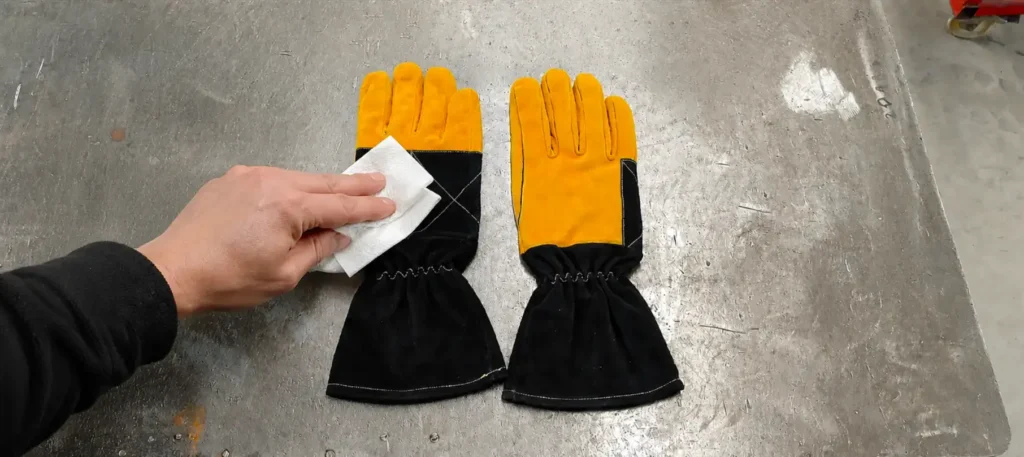
Yes. Proper cleaning, drying, and storage can meaningfully extend the useful life of welding gloves by protecting the leather, lining, and stitching between uses. Maintenance cannot repair a glove that already has holes, severe heat damage, or failed stitching — at that point, replacement is the safer choice. For the complete process, including safe cleaning steps, whether leather welding gloves can be washed, proper drying, and correct storage, see our full guide: How to Clean and Maintain Leather Welding Gloves Safely.
What Type of Welding Glove Lasts the Longest?
There is no single longest-lasting welding glove for every application. Service life depends on matching the glove’s material, thickness, construction, stitching, lining, and fit to the welding process and working conditions. Heavy split leather generally provides greater durability for high-heat and high-spatter work, while thinner goatskin or deerskin gloves can provide better dexterity when the application allows it.
For example, heavy split leather is often better suited to demanding heat and spatter exposure, while thinner goatskin or deerskin can be advantageous where flexibility and dexterity are priorities. Reinforced construction can help protect high-wear areas, while quality stitching supports seam durability. A properly designed lining can also improve comfort, moisture management, and heat insulation during extended use. For applications where thermal protection is a primary concern, you can also explore high-heat protection welding gloves.
The best way to maximize welding glove lifespan is therefore not simply to choose the thickest glove. Instead, choose a glove that provides the appropriate balance of protection, durability, dexterity, construction, and fit for the actual welding application. For more guidance on matching glove characteristics to your work, see our guide on how to choose welding gloves.
If you’re comparing welding gloves based on durability, heat exposure, leather construction, and welding process, explore the ARASWELD welding glove range and choose a construction that matches the demands of your work.
When Should You Replace Welding Gloves? A Simple Decision Guide
You should replace welding gloves when their protective condition, structural integrity, or fit has been compromised. Minor surface wear does not necessarily mean the gloves have reached the end of their service life. However, exposed skin, holes, open seams, severe heat damage, failed lining, or significantly reduced protection are clear reasons to stop using the gloves.
to OSHA’s hand and body protection standard. It specifically addresses protection against thermal burns, severe abrasions, punctures, and other workplace hazards, and states that hot-work clothing should not be contaminated with flammable or combustible materials such as oil or grease.
Keep Using Them
You can generally continue using welding gloves when:
- The leather remains intact without significant thinning, holes, or burn-through.
- The seams and stitching remain secure with no meaningful separation.
- The lining remains intact and properly positioned.
- There is no significant heat damage, severe hardening, or distortion.
- The gloves still fit correctly and allow proper hand movement.
- There is no significant contamination that compromises their suitability for the intended work.
Continue inspecting the gloves regularly, particularly if they are used frequently or exposed to high levels of heat and spatter.
Monitor Them Closely
Pay closer attention to welding gloves when:
- The leather is becoming noticeably stiff or less flexible.
- High-wear areas are becoming thinner, particularly the palms, fingertips, or thumb area.
- Stitching shows early signs of wear but the seams remain structurally secure.
- The lining is beginning to compress, shift, or deteriorate.
- Repeated heat or spatter exposure is causing visible changes to the leather.
These conditions do not always mean immediate replacement, but they indicate that the glove’s remaining service life may be decreasing. Inspect them more frequently and prepare for replacement if deterioration continues.
Replace Them
Replace the welding gloves when:
- Skin is exposed because of holes, tears, or burn-through.
- Holes or significant burn-through are present anywhere on the glove.
- Seams have opened or stitching has failed in a way that compromises construction.
- The leather has severe heat damage, cracking, hardening, shrinkage, or distortion.
- The lining has failed, become badly displaced, or no longer provides appropriate coverage or insulation.
- The glove has persistent contamination that compromises its suitability for use.
- The gloves no longer provide the protection, coverage, fit, or control required for the application.
EXPERT TIP:
When in doubt, prioritize the glove's protective condition and suitability for the specific welding task, rather than trying to extend its lifespan simply because it has not reached a certain age.
Welding Glove Condition: Keep, Monitor, or Replace?
| Glove Condition | What It Means | Recommended Action |
|---|---|---|
| Minor surface wear | Leather and protective structure remain intact | Continue using and inspect regularly |
| Thinning or stiffness | Leather condition or flexibility may be declining | Monitor closely and prepare for replacement |
| Early stitching or lining wear | Structural integrity or internal protection may be starting to decline | Monitor closely and replace if deterioration continues |
| Open seams or failed stitching | Glove construction may no longer provide reliable protection | Replace |
| Holes or burn-through | Skin may be exposed to heat, sparks, or spatter | Replace immediately |
| Severe heat damage or contamination | Protective performance or suitability may be compromised | Replace |
| Loss of proper fit | Coverage, control, or hand movement may be affected | Replace if the fit cannot be restored |
How to decide when to replace welding gloves: The correct replacement decision is based primarily on protective condition, structural integrity, and suitability for the welding application, not simply the glove’s age. Minor surface wear may be acceptable, but holes, burn-through, severe thinning, open seams, failed lining, significant heat damage, or compromised fit are strong indications that the gloves should be removed from service.
How Long Can MIG Welding Gloves Last in Real-World Use?
Based on my 12+ years of professional welding experience, good-quality MIG welding gloves can last around 4–6 months when they are used correctly under relatively standard working conditions. This is a practical observation, not a guaranteed lifespan, and actual service life depends on workload, heat, spatter, contamination, glove construction, leather quality, and how the gloves are treated.
Heavy spatter, higher heat, frequent handling of hot materials, oil or grease contamination, and incorrect use can shorten this period considerably. The specific MIG application also matters, so the 4–6 month range should be treated as a real-world reference rather than a universal replacement schedule. For additional guidance on selecting and using gloves specifically for MIG welding, see our MIG welding gloves guide.
A special point to remember:
Actual glove lifespan also depends on the welder's skill and technique an experienced professional typically causes less unnecessary wear than a beginner who is still developing proper welding and handling techniques.
How Long Can TIG Welding Gloves Last in Real-World Use?
Based on my 12+ years of professional welding experience, good-quality TIG welding gloves can last around 3–6 months when they are used correctly under relatively standard working conditions. This is a professional field observation rather than a guaranteed lifespan, because TIG glove durability depends on workload, heat exposure, leather thickness, construction, and how the gloves are treated. For more guidance on glove selection and application-specific requirements, see our TIG welding gloves guide.
Heavy spatter, excessive heat, oil or grease contamination, incorrect use, and demanding working conditions can shorten this range. Because TIG gloves often use thinner leather to provide greater dexterity and flexibility, their service life can vary significantly depending on the application. For applications where TIG dexterity and precision are important, you can also review ARASWELD’s precision TIG welding gloves.
A special point to remember:
Actual glove lifespan also depends on the welder's skill and technique an experienced professional typically causes less unnecessary wear than a beginner who is still developing proper welding and handling techniques.
How Long Can Stick Welding Gloves Last in Real-World Use?
Based on my 12+ years of professional welding experience, good-quality Stick welding gloves can last around 4–6 months when they are used correctly under relatively standard working conditions. This is a real-world professional observation, not a guaranteed service life. Actual durability depends on workload, heat, spatter, leather quality, glove construction, and how the gloves are handled. For more information about selecting and using gloves for this welding process, see our Stick welding gloves guide.
Heavy spatter, higher heat, frequent handling of hot materials, oil or grease contamination, and incorrect use can shorten the lifespan significantly. Because Stick welding can expose gloves to substantial heat, sparks, slag, and abrasion, demanding applications may require more frequent inspection and replacement. Stick welding can expose gloves to substantial heat, sparks, slag and abrasion, so the glove needs to provide appropriate coverage and durability for the application. For demanding work where abrasion protection is also important, you can review ARASWELD’s impact- and abrasion-resistant welding gloves.
A special point to remember:
Actual glove lifespan also depends on the welder's skill and technique an experienced professional typically causes less unnecessary wear than a beginner who is still developing proper welding and handling techniques.
Choosing the Right Welding Gloves for Your Work
Choose welding gloves according to your process, heat and spatter exposure, leather type, thickness, lining, stitching, fit, and intended workload. The right combination helps ensure the glove is suited to the conditions in which it will be used.
For bulk purchasing or application-specific glove requirements, ARASWELD can provide information for industrial buyers, welding schools, fabrication facilities, and automotive or aerospace suppliers.
Contact us for product documentation, sizing, and specification enquiries.
Frequently Asked Questions About Welding Glove Lifespan
How Long Do Welding Gloves Last?
Welding gloves can last several weeks to several months or longer, depending on the welding process, workload, heat exposure, sparks and spatter, leather type, construction, contamination, maintenance, and how the gloves are used. There is no universal rule for how long every welding glove will last, because working conditions and glove quality vary significantly from one application and welder to another.
How Often Should You Replace Welding Gloves?
You should replace welding gloves when their protective condition is compromised, rather than according to a fixed calendar schedule. Inspect them regularly for holes, burn-through, severe thinning, heat damage, open seams, damaged stitching, failed lining, contamination, shrinkage, or loss of proper fit. Frequent inspection is especially important for gloves used daily in high-heat or high-spatter welding applications.
Do MIG Welding Gloves Last Longer Than TIG Gloves?
MIG welding gloves do not automatically last longer than TIG gloves. MIG gloves are often made with thicker, more durable materials, while TIG gloves commonly use thinner leather to provide greater dexterity. TIG gloves can therefore wear faster under excessive heat or abrasion, but actual lifespan depends on the application, glove construction, workload, and how the gloves are used.
What Makes Welding Gloves Wear Out Faster?
The main factors that shorten welding glove lifespan are repeated heat exposure, heavy sparks and spatter, abrasion, oil or grease contamination, moisture, improper storage, and incorrect use. Higher-amperage work can increase thermal exposure, but amperage alone does not determine lifespan. Leather quality, stitching, lining, glove fit, workload, and the welder's technique also influence how quickly gloves deteriorate.
How Do You Know When Welding Gloves Need to Be Replaced?
Replace welding gloves when they develop holes, burn-through, severe thinning, open seams, failed stitching, major heat damage, damaged lining, severe shrinkage, or compromised fit. A glove does not need to look completely destroyed before replacement is necessary. If its protective structure, coverage, flexibility, or suitability for the intended welding application can no longer be relied upon, it should be removed from service.
How Can You Make Welding Gloves Last Longer?
You can extend welding glove service life by using the correct glove for the welding process, limiting unnecessary heat and spatter exposure, cleaning them appropriately, drying them naturally, and storing them correctly. Keep gloves away from excessive heat, direct sunlight, oil, grease, chemicals, and unnecessary moisture. Regularly inspect the leather, stitching, lining, cuffs, and fit to identify deterioration early.
Can Welding Gloves Last Six Months?
Yes, good-quality welding gloves can last six months in some working conditions, but six months should not be treated as a guaranteed lifespan. Actual durability depends on the welding process, workload, heat, spatter, leather and construction quality, contamination, maintenance, and how the gloves are used. From my professional experience, some properly used gloves can reach approximately six months, while demanding applications may require earlier replacement.