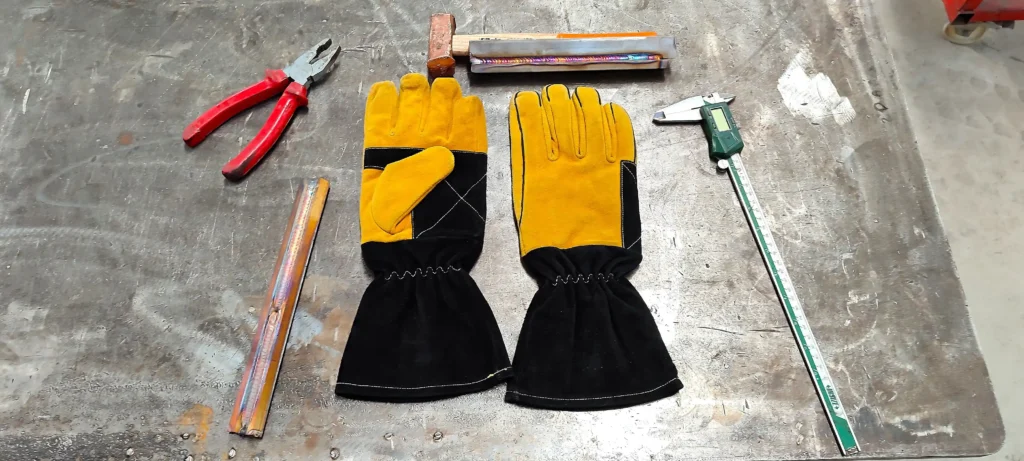
What Are Welding Gloves and Why They Matter?
Welding gloves are heat-resistant protective gloves designed to protect hands from sparks, molten metal, abrasion, and high temperatures during welding operations. They are an essential part of personal protective equipment (PPE) used in industrial welding, fabrication, construction, manufacturing, and metalworking environments.
Welding gloves help reduce the risk of burns, cuts, abrasions, and other workplace injuries caused by heat, sparks, molten metal, and sharp materials. Selecting the correct welding gloves improves worker safety, comfort, and productivity while helping meet industrial safety requirements.
Different welding processes require different levels of heat resistance, flexibility, and protection. For example, MIG, TIG, and Stick welding each require gloves with unique performance characteristics.
The best welding glove depends on the welding process, working environment, heat exposure, and required level of dexterity. Professional welders often select different glove types for different applications rather than relying on a single glove for every task.
The best welding gloves depend on the welding process, heat exposure, and level of precision required. MIG welding gloves are best for heavy-duty heat protection, TIG welding gloves are best for precision work, and Stick welding gloves provide maximum protection in harsh environments.
Professional welders typically select welding gloves based on the application rather than choosing a single glove for every welding task. The correct glove should balance heat resistance, durability, comfort, and dexterity according to the work environment.
High-quality welding gloves should provide reliable protection against heat, sparks, molten metal, abrasion, and mechanical hazards while maintaining comfort and flexibility for extended use.
In industrial welding environments such as construction, fabrication, shipbuilding, automotive manufacturing, and oil & gas operations, glove performance should be evaluated based on both thermal and mechanical protection requirements.
Experienced welders typically evaluate gloves based on heat exposure, material thickness, welding process, comfort, and certification requirements. Selecting gloves according to workplace hazards provides better protection and long-term performance than choosing gloves based solely on price.
Unlike regular work gloves, welding gloves are specifically designed to protect against welding-related hazards such as extreme heat, sparks, molten metal, and mechanical risks. They combine thermal protection, durability, and flexibility to help welders work safely in demanding industrial environments.
Professional welding gloves are engineered to provide a balance between heat resistance, mechanical protection, comfort, and dexterity. The exact features required depend on the welding process and working environment.
Many welding glove problems occur because users select gloves based on price or appearance rather than application requirements. Understanding the welding process and workplace hazards helps ensure the correct level of protection.
Welding gloves are designed for different welding processes, each offering a specific balance of HEAT RESISTANCE, DURABILITY, FLEXIBILITY, and DEXTERITY. The three primary categories are MIG, TIG, and Stick welding gloves, each engineered for different work environments, heat exposure levels, and performance requirements.
Understanding the differences between welding glove types helps professionals choose the appropriate protection for their welding process, improving both SAFETY and PRODUCTIVITY.
The table below compares the main welding glove types based on HEAT PROTECTION, FLEXIBILITY, DURABILITY, and TYPICAL APPLICATIONS. This comparison helps welders quickly identify which glove type best matches their work environment.
MIG Welding Gloves
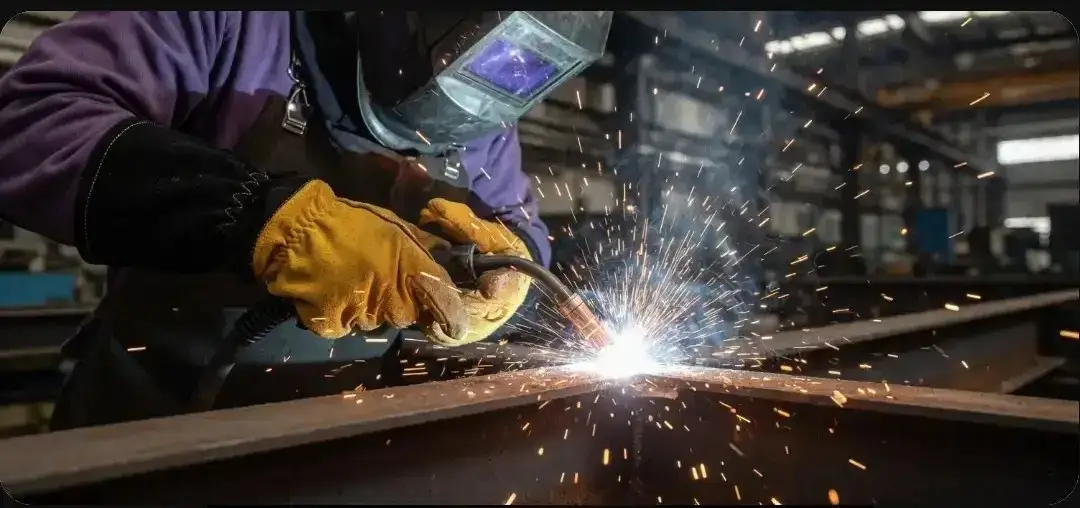
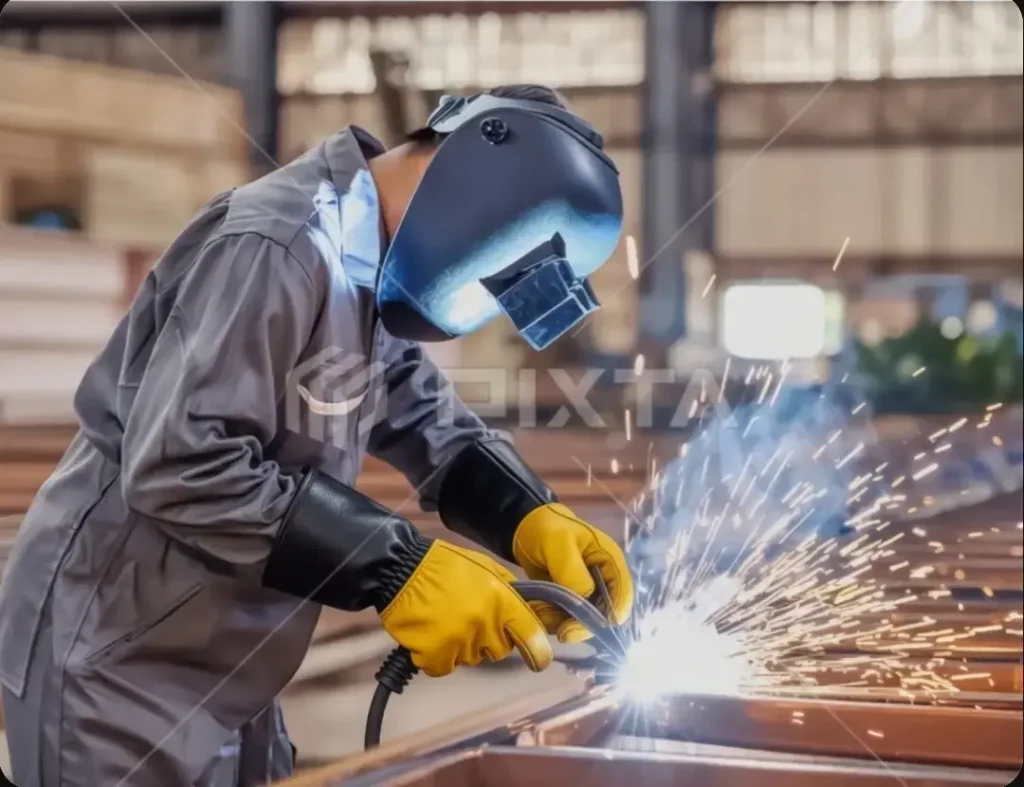
MIG welding gloves are heavy-duty protective gloves designed for welding applications that involve HIGH HEAT, SPARKS, and MOLTEN METAL EXPOSURE. They are typically constructed from thicker leather materials to maximize durability and thermal protection.
MIG welding gloves are designed for high-heat applications where durability and protection are essential.
MIG welding gloves are commonly used in industrial welding where heat resistance and durability are critical.
MIG welding gloves are ideal for heavy-duty applications, thick materials, and high-heat environments where durability and protection are more important than flexibility.
The best MIG welding gloves are made from thick cowhide leather with heat-resistant lining and reinforced Kevlar® stitching. They offer high durability, strong heat protection, and extended cuffs for industrial welding environments.
Yes. MIG welding gloves are specifically designed to withstand high temperatures and prolonged heat exposure in industrial welding environments.
MIG welding gloves are thicker because they prioritize heat protection and durability over dexterity, helping protect welders from sparks and molten metal splashes.
For a detailed comparison of, check out article Types of Welding Gloves MIG vs TIG vs Stick.
TIG Welding Gloves
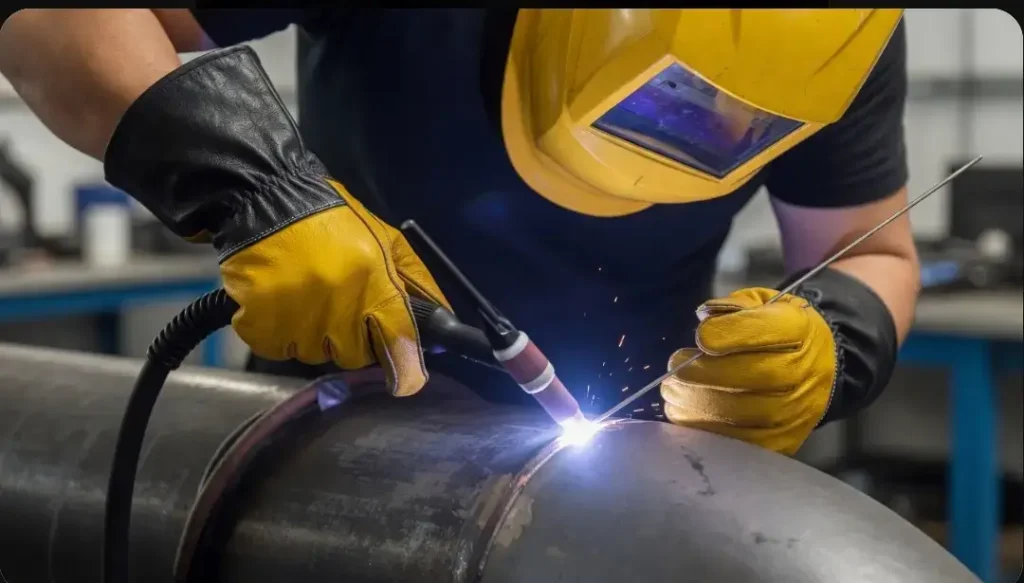
TIG welding gloves are lightweight and flexible gloves designed for welding tasks that require PRECISION, CONTROL, and FINGERTIP SENSITIVITY. They allow greater dexterity than MIG gloves, making them suitable for detailed welding work.
this welding gloves are designed for precision, control, and dexterity. Their thinner and more flexible construction allows better finger movement and sensitivity, making them ideal for detailed welding tasks that require accuracy and clean finishes.
TIG welding gloves are preferred by professionals who require precision, control, and flexibility in detailed welding environments.
TIG gloves are ideal for thin materials, stainless steel welding, and applications where weld accuracy and clean finishes are critical.
The best TIG welding gloves are made from high-quality goatskin leather with a thin, flexible design and reinforced stitching. They provide excellent dexterity, precision, and comfort for detailed welding work.
Yes. TIG welding gloves are designed for precision work where accurate torch control and detailed welds are required.
TIG welding gloves use softer and thinner materials to improve hand movement, control, and comfort during detailed welding applications.
For a detailed comparison of MIG, TIG, and Stick welding gloves, including materials and performance differences, check out our detailed guide to MIG vs TIG vs Stick welding gloves.
Stick Welding Gloves
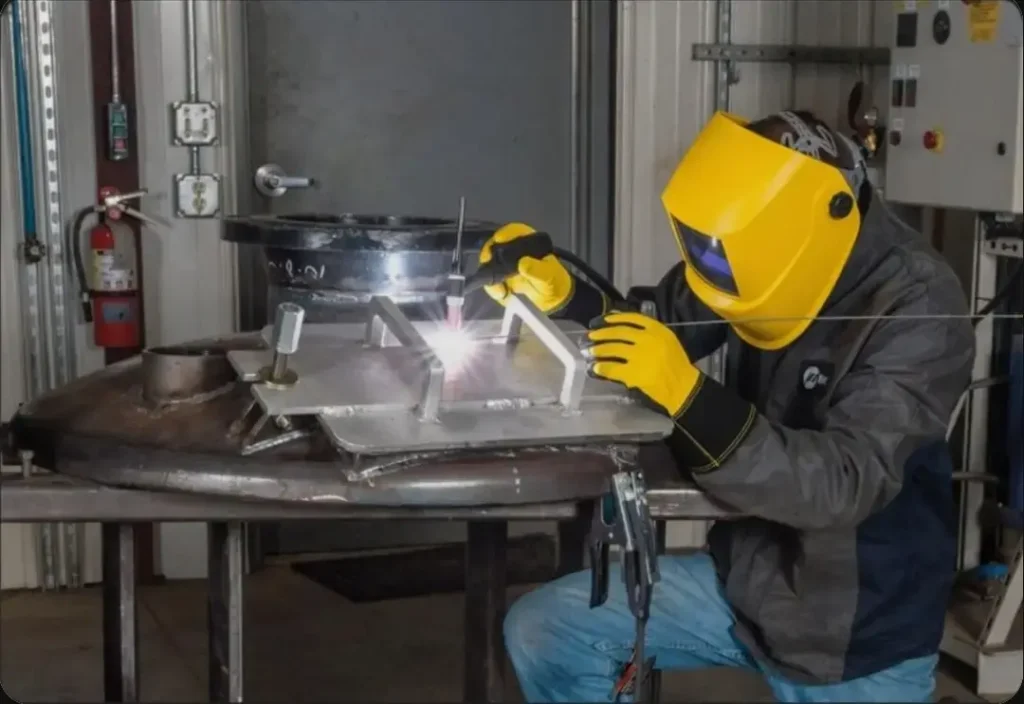
Stick welding gloves are designed for environments involving extreme Heat, Heavy Spark exposure, and welding slag. They provide maximum protection and durability for demanding welding conditions.
Stick welding gloves are built for maximum protection in extreme heat conditions. Their thicker construction and reinforced design make them ideal for handling sparks, molten metal, and slag in demanding industrial and outdoor environments.
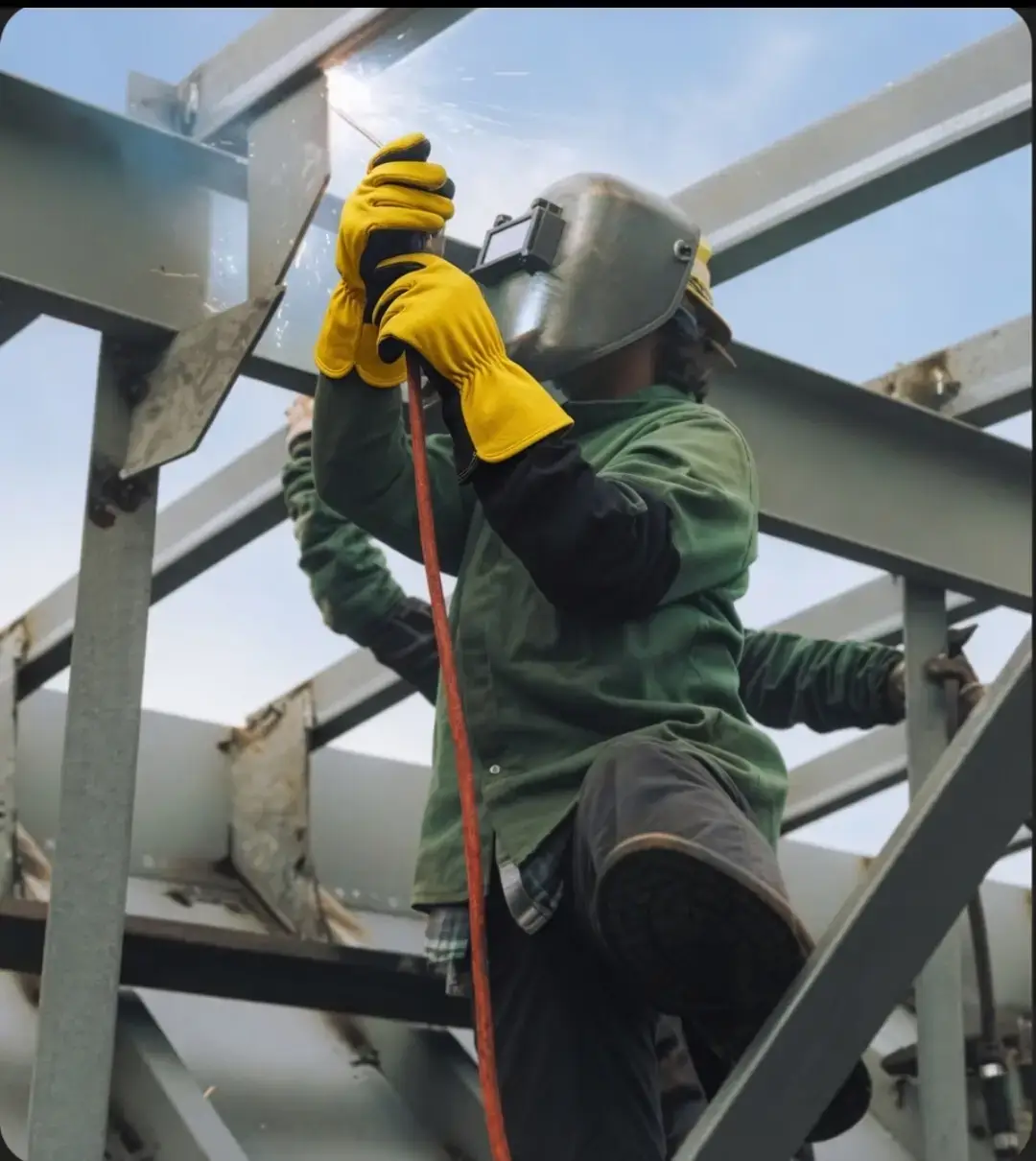
Stick welding gloves are best suited for outdoor welding, construction work, and high-heat environments where sparks, slag, and maximum protection are primary concerns.
The best stick welding gloves feature thick split leather, reinforced stitching, and full insulation to provide maximum protection against extreme heat, sparks, and slag.
Stick welding gloves are made with thicker materials and reinforced construction to withstand extreme heat, sparks, and demanding industrial environments.
For a more detailed check out complete breakdown of welding glove types.
Not sure which welding glove type is right for your application? Explore our PROFESSIONAL WELDING GLOVES designed for MIG, TIG, Stick, and industrial welding environments.
Welding Safety Standards (EN388 & EN407)
Welding safety standards are testing and certification systems used to evaluate the level of protection provided by welding gloves. Standards such as EN 388 and EN 407 help determine whether gloves can protect workers from mechanical hazards, heat exposure, flames, and molten metal during welding operations.
Understanding these certifications helps welders, safety managers, and industrial buyers select gloves that meet the protection requirements of their specific work environment.
Industrial welding environments expose workers to both MECHANICAL RISKS and THERMAL HAZARDS. Gloves certified under EN 388 and EN 407 provide verified protection against these risks, helping improve workplace safety and regulatory compliance.
EN 407:2020 Heat & Flame Protection Certification
EN 407 is a European safety standard used to evaluate the resistance of protective gloves to Heat, flame, and molten metal hazards. It helps determine whether gloves provide adequate thermal protection for welding and other high-temperature industrial applications.
To further understand the EN 407 standards, read our guide to the EN 407:2020 Heat & Flame Protection standard.
Welding gloves are regularly exposed to HIGH TEMPERATURES, SPARKS, RADIANT HEAT, AND MOLTEN METAL SPLASHES. EN 407 certification helps verify that a glove has been tested against these hazards and provides measurable thermal protection.
For professional welding applications, EN 407 ratings help users compare glove performance and select the appropriate level of protection for their work environment.
EN 407 evaluates several heat-related hazards that welding gloves may encounter during industrial operations. Each category receives a performance rating based on laboratory testing.
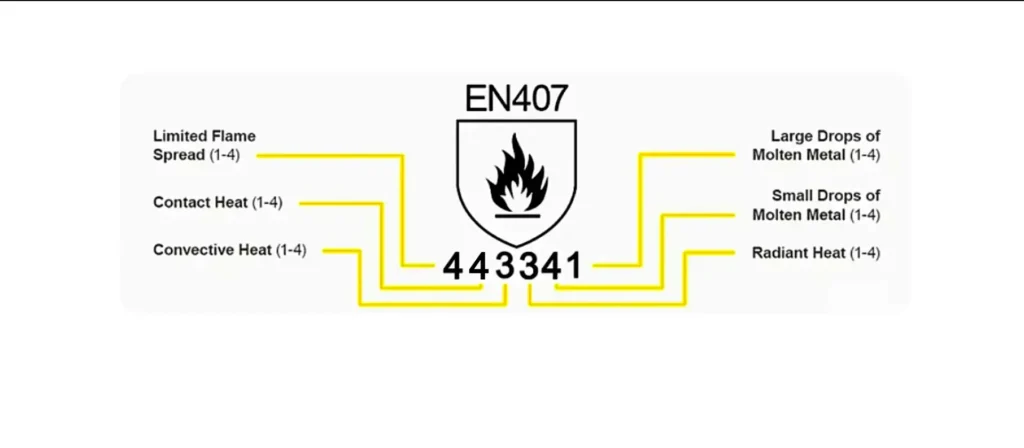
Understanding EN 407 ratings helps welders, safety managers, and industrial buyers evaluate the level of thermal protection provided by a glove. Higher ratings generally indicate better performance against specific heat and flame hazards.
EN 407 certification indicates that a welding glove has been tested against heat and flame hazards and has achieved measurable performance ratings under standardized laboratory conditions.
Yes. EN 407 certified gloves are tested for various forms of heat exposure, including contact heat, radiant heat, and molten metal splashes.
No. Welding gloves are generally HEAT RESISTANT, not completely heat proof. Protection levels depend on the glove material, construction, and EN 407 performance ratings.
EN 388:2016 Mechanical Protection Standard
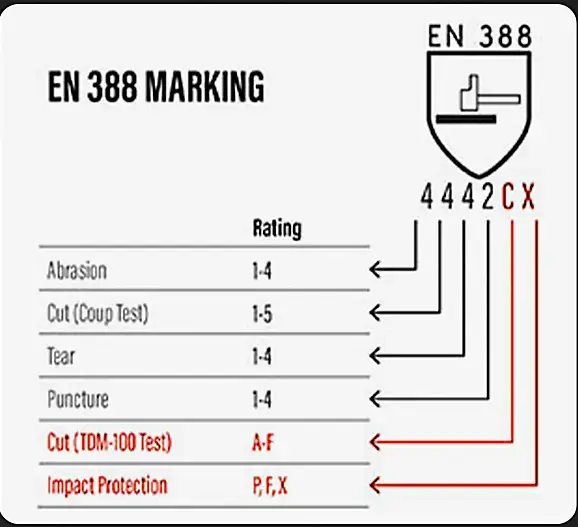
EN 388 is a European safety standard used to evaluate protective gloves against mechanical hazards such as abrasion, cuts, tears, and punctures. For welding applications, EN 388 certification helps ensure gloves can withstand the physical demands of fabrication, metalworking, construction, and industrial handling environments.
In welding environments, mechanical protection is important because workers often handle rough metal surfaces, sharp edges, tools, wires, and heavy materials. A glove may offer heat resistance, but it also needs enough durability to resist wear, tearing, and puncture during daily industrial use.
To further understand the em 388 standards, read our guide to the EN 388:2016 Mechanical Protection Standard.
EN 388 is important because welding gloves must resist mechanical damage from rough metal, sharp edges, tools, and repeated industrial use.
For professional and industrial use, EN 388 certification helps verify that gloves provide tested protection against mechanical hazards.
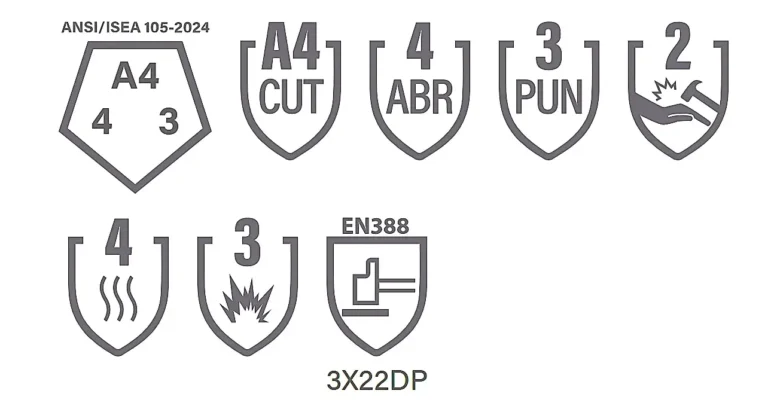
EN 388 and EN 407 are European safety standards for protective gloves, but they evaluate different types of hazards. EN 388 measures resistance to mechanical hazards such as abrasion, cuts, tears, and punctures, while EN 407 evaluates protection against heat, flames, and molten metal. Professional welding gloves often comply with both standards to provide balanced protection.
The main difference is that EN 388 focuses on mechanical protection, while EN 407 focuses on thermal protection. Welding gloves used in industrial environments should ideally meet both standards because welders are exposed to both physical damage and heat-related hazards.
For professional welding and industrial applications, gloves certified to both EN 388 and EN 407 offer a balanced combination of mechanical durability and heat resistance. The required certification depends on the specific welding process and workplace risks.
For a more detailed explanation, see our EN 388 vs EN 407 comparison. EN388 vs EN407: What’s the Difference in Welding Glove Safety Standards?
Neither standard is universally more important. EN 388 is essential for protection against mechanical hazards, while EN 407 is essential for protection against heat and flame. The most suitable certification depends on the welding process, materials handled, and working environment.
Welding gloves are made from carefully selected materials that work together to provide heat resistance, mechanical protection, comfort, and durability. Each component of the glove—including the outer shell, thermal insulation, inner lining, and heat-resistant stitching—plays a specific role in protecting welders across different welding applications.
The choice of material directly affects performance, protection level, and flexibility during welding tasks.
A professional welding glove is built from multiple layers, each designed to perform a different protective function. The outer shell resists heat and abrasion, the thermal insulation layer reduces heat transfer, the inner lining improves comfort and moisture control, while the stitching holds the glove together under demanding industrial conditions.
Understanding how these layers work together makes it easier to choose welding gloves that match the required level of protection, flexibility, and durability for a specific welding process.
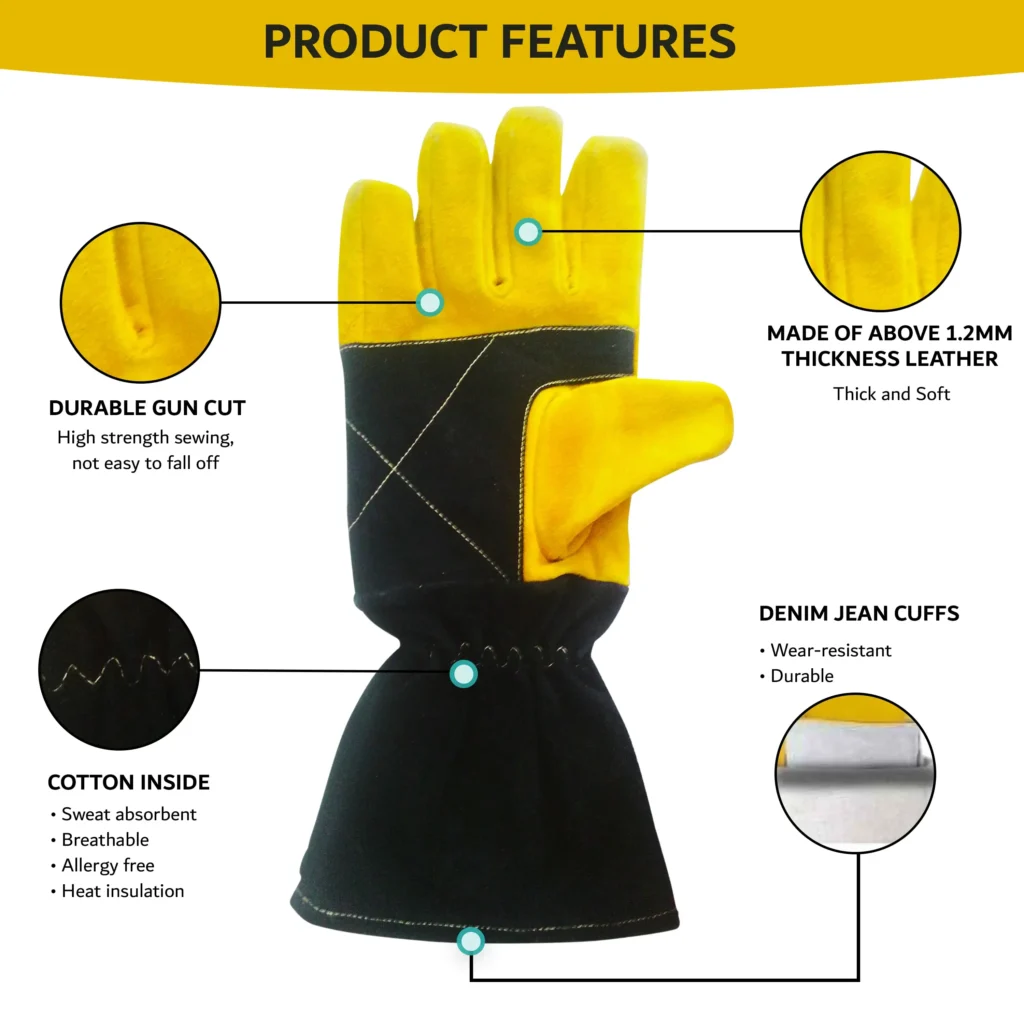
The outer shell is the most visible and protective part of a welding glove. It is responsible for resisting heat, sparks, abrasion, and mechanical wear while providing the durability required for demanding welding environments. Different leather types offer different levels of flexibility, comfort, and protection depending on the welding application.
Cowhide leather is one of the most widely used materials in welding gloves because it provides an excellent balance of heat resistance, durability, and comfort. It performs well in heavy-duty industrial environments and is commonly used for MIG welding.
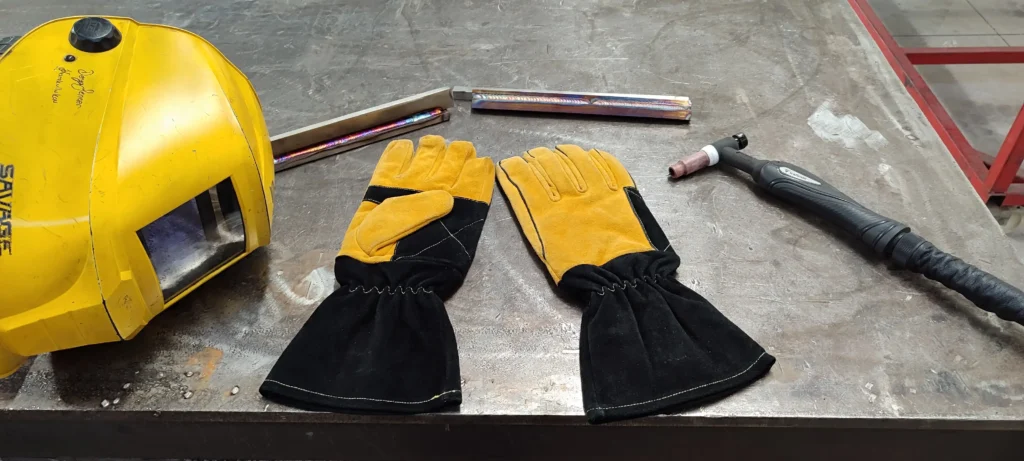
Goatskin leather is valued for its excellent flexibility, dexterity, and natural abrasion resistance. It provides superior finger control, making it a popular choice for TIG welding and other precision welding applications where accuracy is essential.
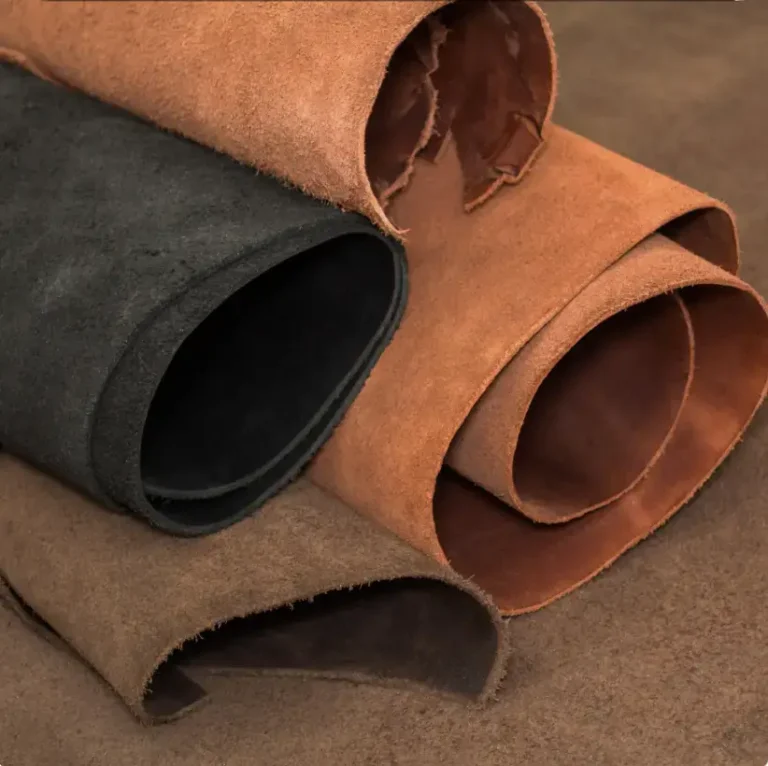
Deerskin leather is naturally soft and flexible while maintaining good durability. It offers excellent comfort and adapts well to the user's hand, making it suitable for welding tasks that require extended wear and improved dexterity.
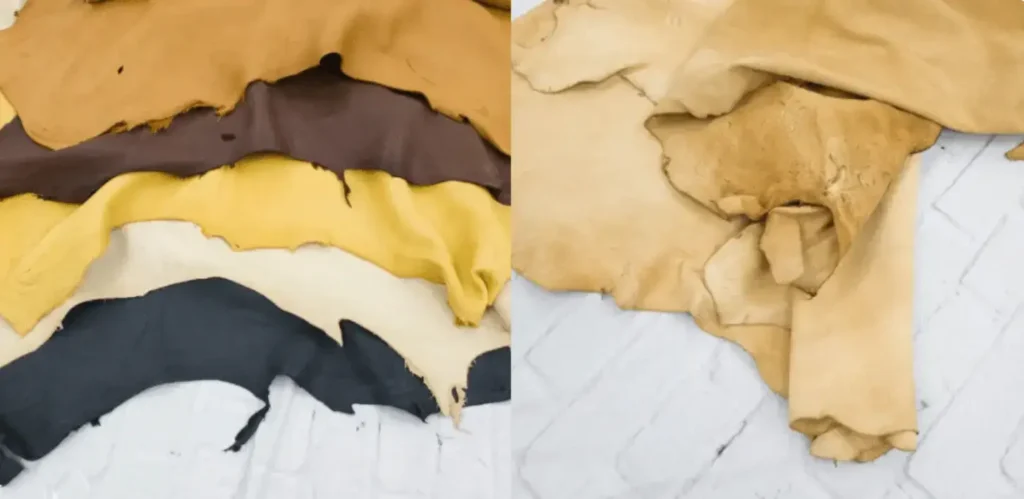
Elk hide leather combines exceptional durability with flexibility, maintaining its softness even after repeated exposure to demanding industrial conditions. It performs well in heavy-duty welding environments where long service life is important.
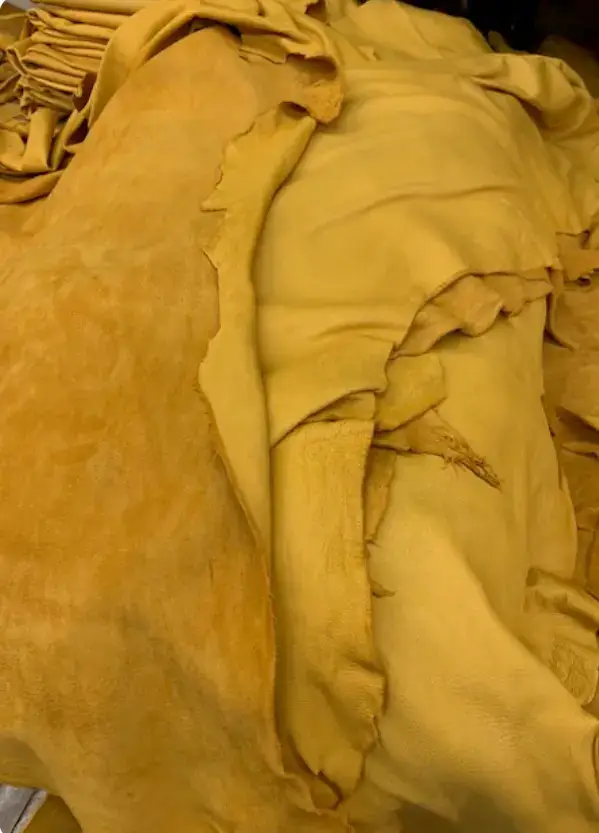
Different leather types offer different levels of heat resistance, flexibility, durability, and comfort. Selecting the appropriate leather helps match welding gloves to specific welding processes such as MIG, TIG, and Stick welding, ensuring the right balance of protection, dexterity, and long-term performance for industrial applications.
Leather used in welding gloves can also be classified by its processing method and quality grade. Each leather grade offers different levels of durability, heat resistance, flexibility, and cost. Understanding these leather grades helps users select welding gloves that best match their working environment and performance requirements.
Full-grain leather is the highest-quality leather available because it retains the complete outer grain of the hide. It offers excellent durability, natural strength, and long service life while maintaining good heat resistance. Although it is less common in industrial welding gloves due to cost, it is valued in premium protective products where durability is the highest priority.
Top-grain leather is produced by sanding the outer surface of the hide to create a smoother finish. It offers a balance between durability, flexibility, and comfort while maintaining good resistance to wear. It is commonly used in premium leather products but is less frequently selected for heavy-duty welding gloves than split leather.
Genuine leather is made from real animal hide but represents a broader quality category rather than a specific leather grade. Depending on how it is processed, genuine leather can vary significantly in durability and performance. The term alone does not indicate whether a welding glove provides superior heat resistance or long service life.
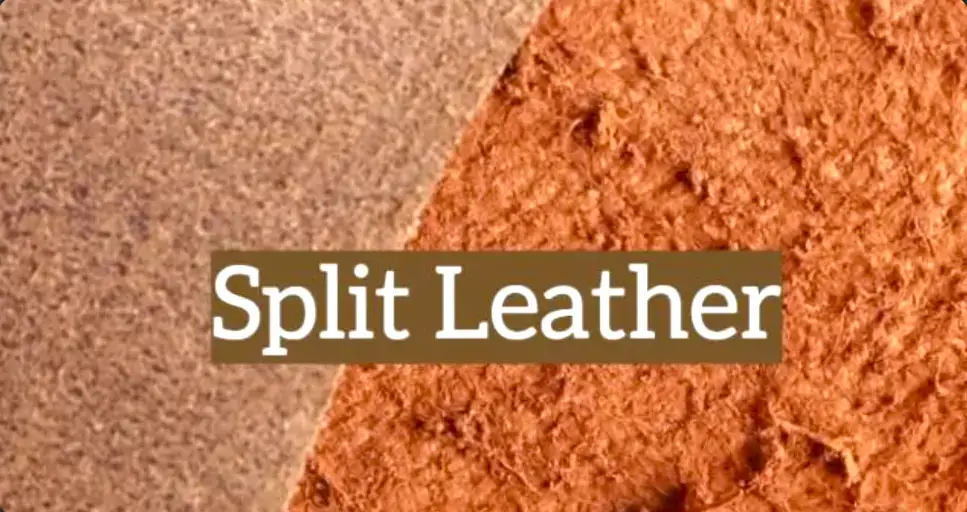
Split Leather
Split leather is one of the most widely used materials in industrial welding gloves because it provides an excellent balance of heat resistance, durability, and cost-effectiveness. Produced from the lower layer of the hide after the top grain is removed, split leather has a rougher texture that offers reliable protection against sparks, molten metal, and abrasion. It is commonly used in MIG welding gloves and Stick welding gloves, where maximum protection is more important than fine dexterity.
Expert Note:
In the welding industry, split leather is one of the most commonly used materials for MIG and Stick welding gloves because these processes generate higher levels of heat, sparks, and molten metal spatter. For applications that require greater dexterity and precise torch control, manufacturers often choose goatskin or other softer leathers for TIG welding gloves. Rather than relying on a single leather type, professional welding glove manufacturers select materials based on the specific welding process, expected heat exposure, and the level of protection and flexibility required for the job.
Bonded leather is manufactured by combining leather fibers with adhesives and synthetic materials. Although it is less expensive, it generally offers lower durability and reduced heat resistance than natural leather. Bonded leather is not recommended for professional welding gloves used in high-temperature industrial environments.
Choosing the right leather type is essential because each material offers a different balance of heat resistance, durability, flexibility, and comfort. The comparison table below summarizes the most common leather materials used in professional welding gloves, helping you identify which option is best suited for MIG, TIG, Stick, and other industrial welding applications.
The thermal insulation layer sits beneath the outer shell and helps reduce heat transfer during welding. These materials improve protection against prolonged exposure to high temperatures while maintaining comfort and glove performance in industrial environments.
Aramid fibers, commonly known by the brand name Kevlar®, are widely used in professional welding gloves because of their exceptional heat resistance, strength, and cut resistance. They help improve thermal protection without adding excessive weight.
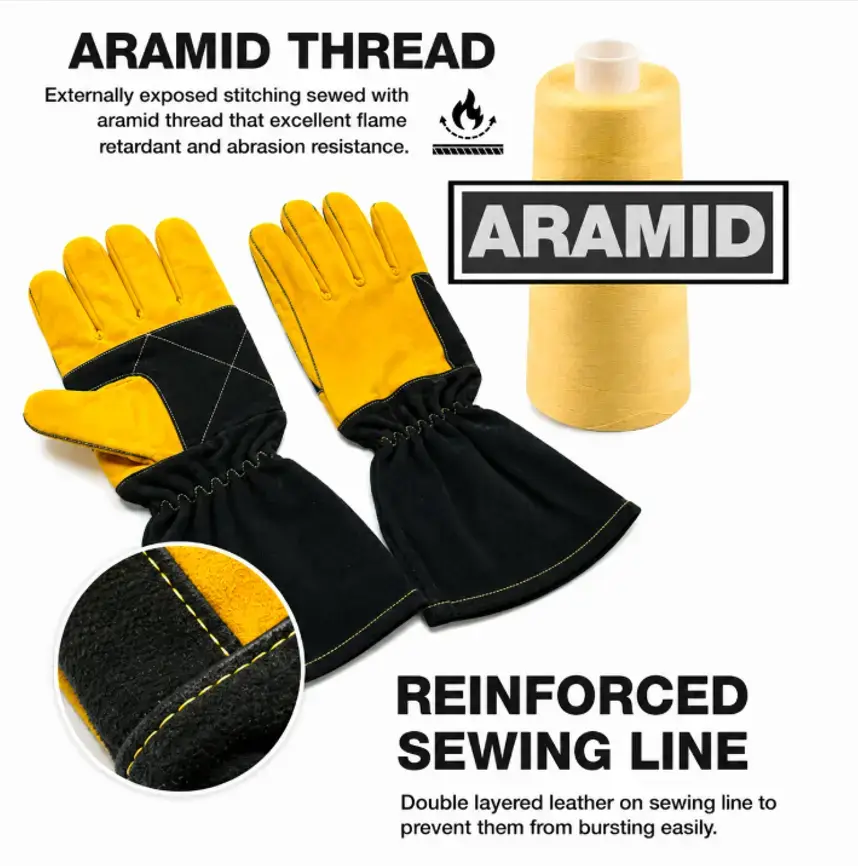
Kevlar thread is a high-strength aramid fiber thread widely used in professional welding gloves to reinforce seams exposed to extreme heat, sparks, abrasion, and mechanical stress.
Unlike standard polyester or cotton thread, Kevlar thread offers excellent heat resistance, cut resistance, and tensile strength, helping prevent seam failure in demanding welding environments.
It is commonly used in MIG, TIG, and Stick welding gloves to improve durability and extend glove service life without adding unnecessary weight.
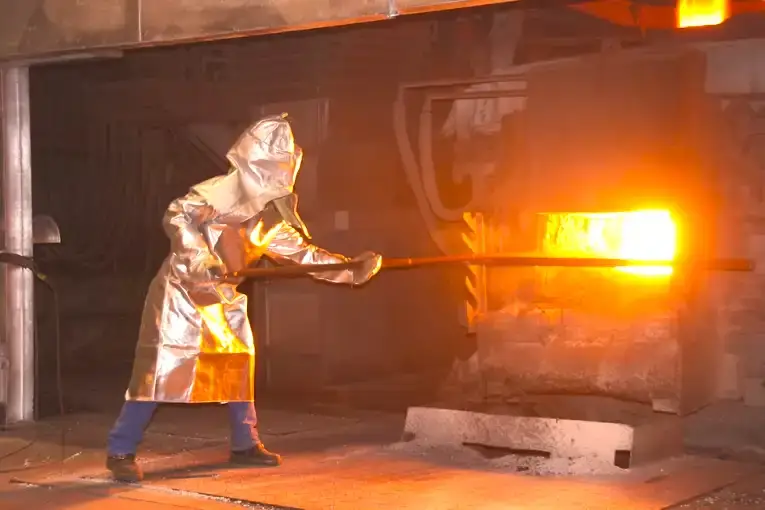
Aluminized materials reflect radiant heat away from the glove, helping protect welders who work near extremely high-temperature equipment, furnaces, or foundry environments.
The inner lining improves comfort, moisture management, and thermal insulation inside a welding glove. Different lining materials help reduce hand fatigue, improve breathability, and provide additional comfort during extended welding operations.
Fleece lining provides excellent thermal insulation and soft cushioning, making it suitable for cold environments and heavy-duty welding tasks.
Cotton lining improves breathability and moisture absorption, helping keep hands dry and comfortable during extended welding work.
Foam lining adds cushioning and improves comfort while helping reduce vibration and pressure on the hands during prolonged industrial work.
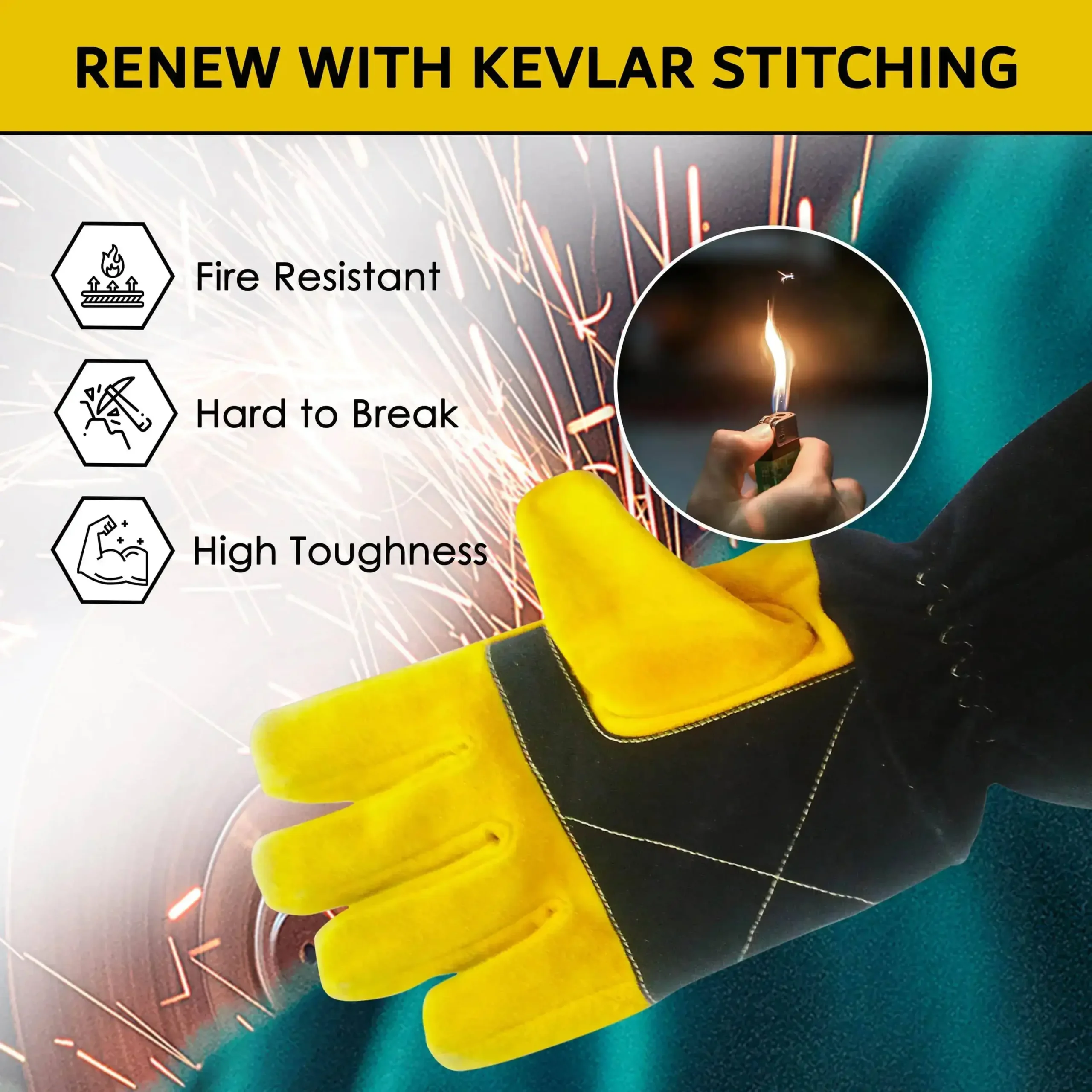
Heat-Resistant Stitching
The stitching used in welding gloves is just as important as the leather itself. High-quality heat-resistant threads help prevent seam failure when gloves are exposed to high temperatures, sparks, and repeated industrial use. Professional welding gloves commonly use Kevlar® or aramid thread because these materials maintain strength under demanding welding conditions.
Kevlar® thread is widely used in premium welding gloves because it provides excellent heat resistance, high tensile strength, and long-lasting seam durability. It helps ensure that glove seams remain secure even during prolonged exposure to welding heat and sparks.
Aramid thread offers outstanding thermal stability and mechanical strength, making it suitable for welding gloves used in demanding industrial environments. It helps reduce seam wear while maintaining flexibility and glove performance.
Type your paragrModern welding gloves may incorporate specialty materials to improve protection, durability, grip, and comfort. These materials are often used in high-performance gloves designed for demanding industrial environments where standard leather alone may not provide sufficient protection.Bullet Pointsaph here
Reinforced palm patches provide additional protection in high-wear areas where gloves frequently contact tools, workpieces, and rough metal surfaces. They help increase durability without significantly reducing flexibility.
Split leather reinforcement is commonly added to the palm, thumb, or finger areas to improve abrasion resistance and increase protection against sparks and molten metal during heavy-duty welding operations.
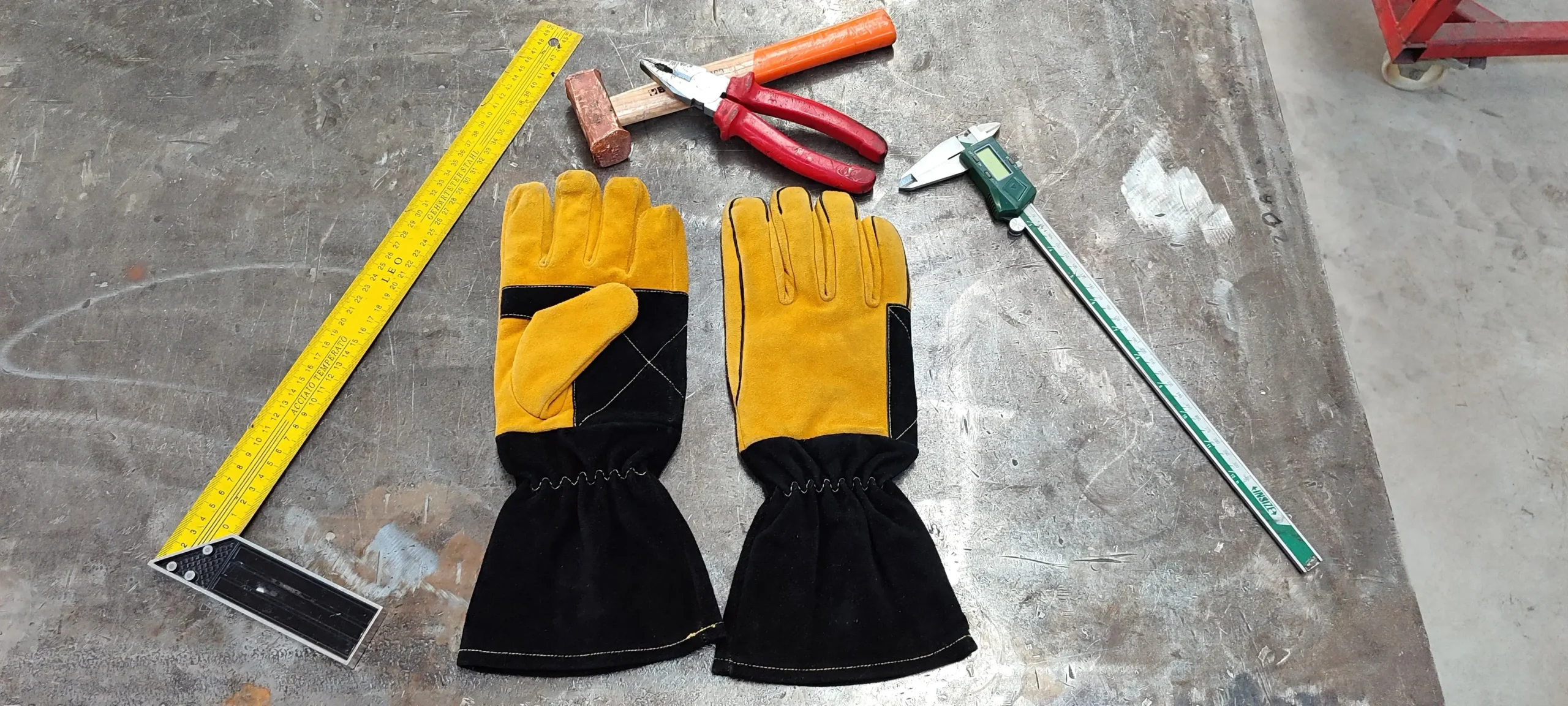
The overall performance of a welding glove depends on more than just the leather. Features such as material thickness, heat-resistant stitching, inner lining, reinforced construction, and extended cuffs all contribute to heat protection, durability, comfort, and long-term performance. Understanding these construction features helps users choose welding gloves that match their working environment and welding process.
The materials used in a welding glove directly influence its heat resistance, durability, comfort, flexibility, and overall performance. Selecting the appropriate combination of leather, insulation, lining, and stitching helps ensure the glove performs safely in its intended welding application.
Understanding these material characteristics allows welders to choose gloves that match their specific working environment rather than relying on a single glove design for every welding task.
Every component of a welding glove contributes to its overall performance. The outer shell, thermal insulation, inner lining, heat-resistant stitching, and reinforced palm work together to improve heat protection, mechanical durability, comfort, and worker safety. The comparison below explains the function and benefits of each component, helping professionals understand how welding glove construction affects performance in demanding industrial environments.
Every component of a welding glove plays a specific role in protecting the wearer and improving overall performance. The outer shell leather provides the primary barrier against heat, sparks, molten metal, and abrasion, while the thermal insulation layer reduces heat transfer to help protect the hand in high-temperature environments. The inner lining enhances comfort, moisture management, and long-term wearability, reducing hand fatigue during extended welding tasks. Heat-resistant stitching, typically made from materials such as Kevlar® or aramid fibers, helps maintain seam strength under intense heat and mechanical stress. Finally, reinforced palm areas increase abrasion resistance and extend glove lifespan in heavy-duty industrial applications. Together, these components create a balanced welding glove that delivers heat resistance, durability, comfort, flexibility, and reliable protection for professional welding environments.
Choosing the right welding gloves is essential for ensuring safety, comfort, durability, and welding performance. The best welding gloves should be selected according to the welding process, heat exposure, required dexterity, leather material, safety certifications, proper fit, and overall glove construction.
A glove that performs well for TIG welding may not provide enough protection for MIG or Stick welding. Likewise, selecting gloves with the appropriate heat resistance, reinforced construction, and certified protection helps reduce workplace injuries while improving productivity and long-term comfort.
NOTE: Selecting the correct welding gloves is not about choosing the thickest glove - it's about matching the glove to your specific application, working environment, and safety requirements.
Different welding processes generate different levels of heat, sparks, molten metal, and hand movement. Choosing gloves that match the welding process improves both protection and productivity while reducing hand fatigue. Understanding the differences between TIG, MIG, and Stick welding helps you select gloves with the right balance of heat resistance, flexibility, and durability.
Best for: Precision welding, stainless steel, thin materials
TIG welding requires excellent finger movement and precise torch control. Choose gloves made from goatskin or deerskin with a thin, flexible construction that maximizes dexterity while providing adequate heat protection.
Best for: Fabrication, production welding, general industrial welding
MIG welding produces more heat and sparks than TIG welding while still requiring reasonable hand movement. Durable cowhide or heavy-duty goatskin gloves provide an excellent balance between protection and flexibility.
Best for: Heavy fabrication, structural steel, outdoor welding
Stick welding generates the highest levels of heat, slag, and molten metal spatter. Thick cowhide, elk hide, or split leather gloves with reinforced construction and thermal insulation provide maximum protection for demanding industrial environments.
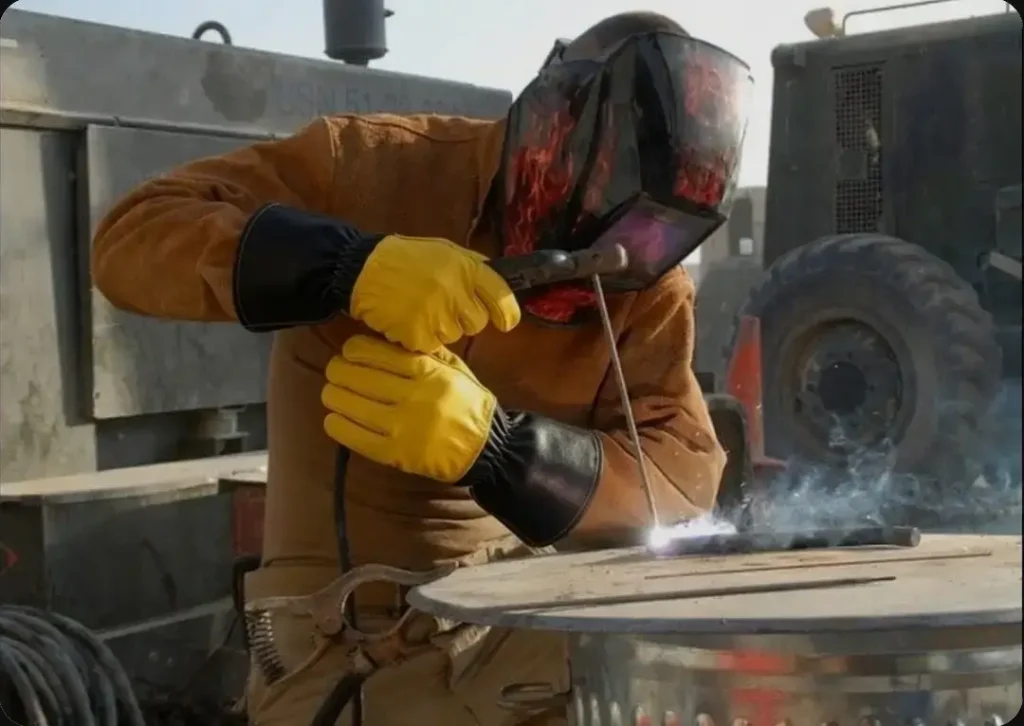
Beyond the welding process itself, professional welding gloves should be evaluated according to their construction quality, protective features, and overall performance. The following features have the greatest impact on safety, comfort, durability, and long-term usability in industrial welding environments.
Heat-Resistant Stitching
Heat-resistant stitching made from Kevlar® or aramid thread helps prevent seams from failing when exposed to extreme temperatures, sparks, and molten metal. Strong stitching extends glove lifespan and maintains structural integrity during demanding welding applications.
Choose gloves rated for your welding temperature- Look for EN 407 certification- Prefer heat-resistant linings for added protection.
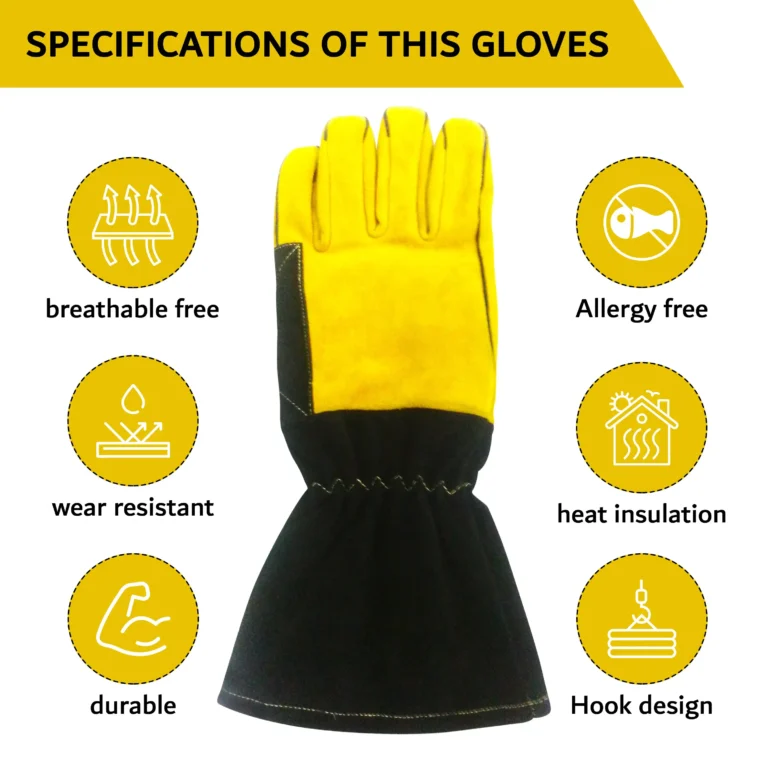
Reinforced palms increase resistance to abrasion, friction, and repeated tool contact. They improve durability while reducing wear in the highest-contact areas of the glove.
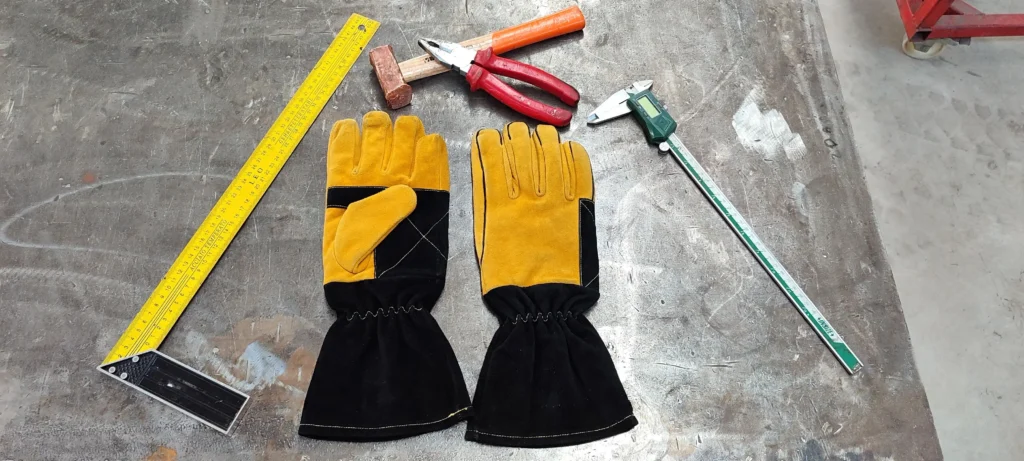
A long cuff protects the wrist and lower forearm from sparks, slag, radiant heat, and molten metal splashes. Extended cuffs are especially important for MIG and Stick welding applications.
Additional padding absorbs vibration and reduces pressure during prolonged welding. Well-designed padding improves comfort without significantly reducing hand movement.
Good flexibility allows precise finger movement and better torch control. Gloves designed for higher dexterity reduce hand fatigue while improving welding accuracy, particularly during TIG welding.
A secure grip improves tool handling, reduces slipping, and enhances overall workplace safety. Reinforced palms and textured leather surfaces provide greater control in industrial environments.
Durability
Welding glove durability depends on material quality, stitching strength, and reinforcement in high-wear areas. Gloves designed for heavy-duty use should withstand abrasion, cuts, and prolonged heat exposure without losing their protective performance.
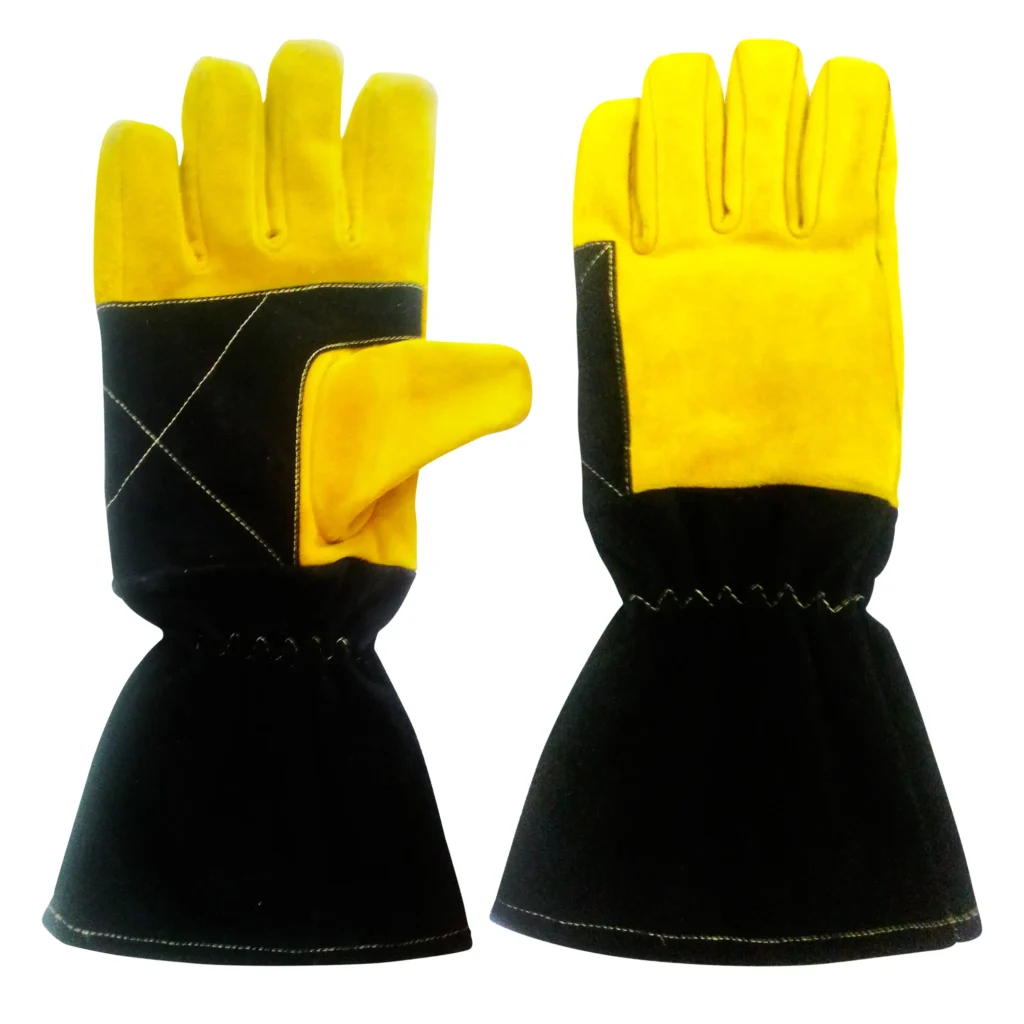
When comparing welding gloves, evaluate the entire glove construction rather than focusing on a single feature. High-quality leather, reinforced stitching, proper insulation, ergonomic design, and certified safety standards work together to provide the best combination of heat resistance, comfort, dexterity, and long-term durability.
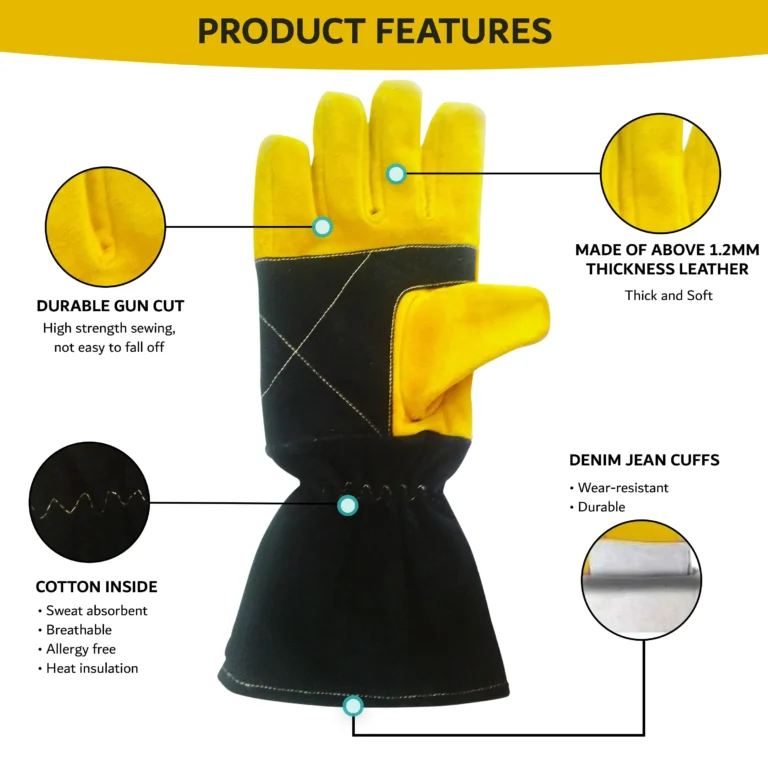
Choosing the right welding gloves is just as important as choosing the right welding process. Many hand injuries, premature glove failure, and poor welding performance are caused by using the wrong type of glove, selecting an incorrect size, or overlooking important safety certifications. Understanding these common mistakes helps welders improve workplace safety, extend the lifespan of their personal protective equipment (PPE), and achieve better welding results.
Whether you are performing TIG, MIG, or Stick welding, selecting gloves that match your application, heat exposure, mechanical hazards, and working environment is essential. The following mistakes are among the most common issues encountered in industrial welding, construction, shipbuilding, steel fabrication, oil and gas facilities, foundries, and manufacturing environments.
Different welding processes expose workers to different levels of heat, sparks, molten metal, and mechanical hazards. A glove designed for one welding process may perform poorly—or even create unnecessary safety risks—when used for another. Matching your gloves to the specific welding application improves protection, comfort, productivity, and overall welding performance.
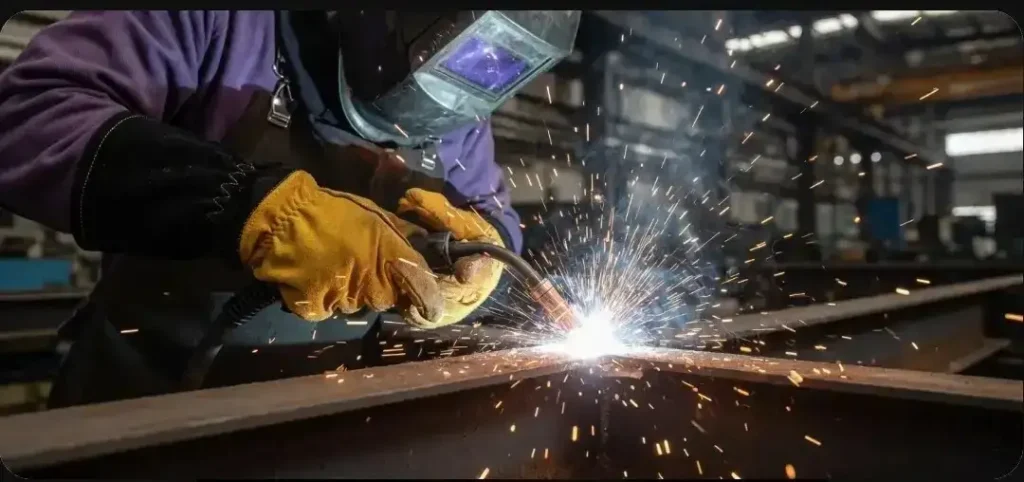
Safety certifications verify that welding gloves have been independently tested against recognized international standards for heat resistance, flame protection, abrasion resistance, tear strength, puncture resistance, and welding performance. Purchasing uncertified gloves may reduce costs initially, but it can significantly increase workplace safety risks and long-term replacement expenses.
Understanding certification standards allows welders to compare products objectively and choose gloves appropriate for their specific working environment.
Price is often one of the first factors buyers consider, but it should never be the only one. Lower-cost gloves may appear economical initially, yet poor-quality materials, weak stitching, and the absence of safety certifications often lead to faster wear, more frequent replacements, and reduced protection.
Evaluating gloves based on durability, safety performance, certifications, and total cost of ownership provides far greater long-term value than focusing solely on the purchase price.
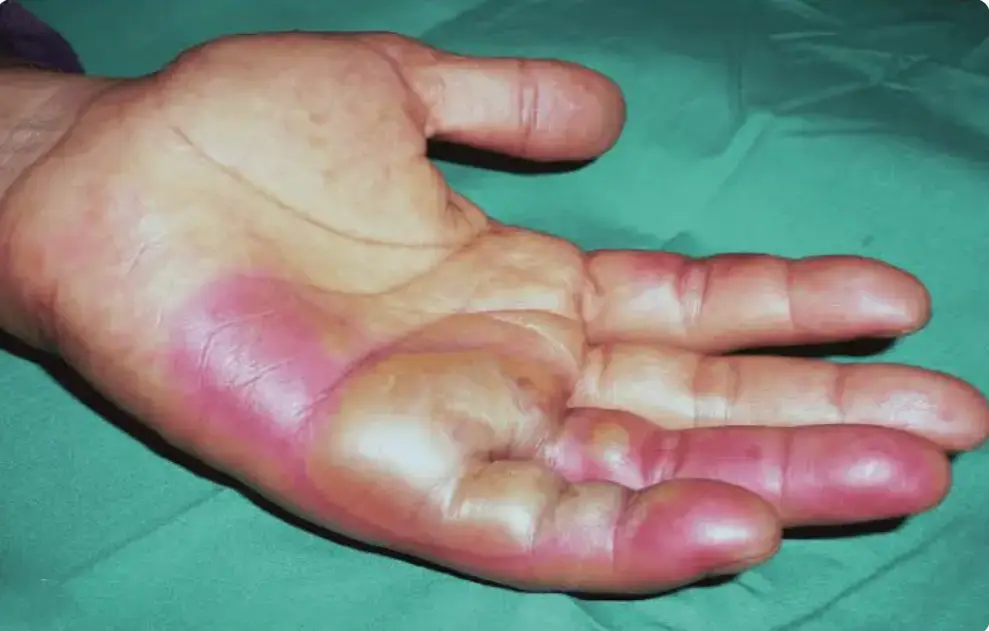
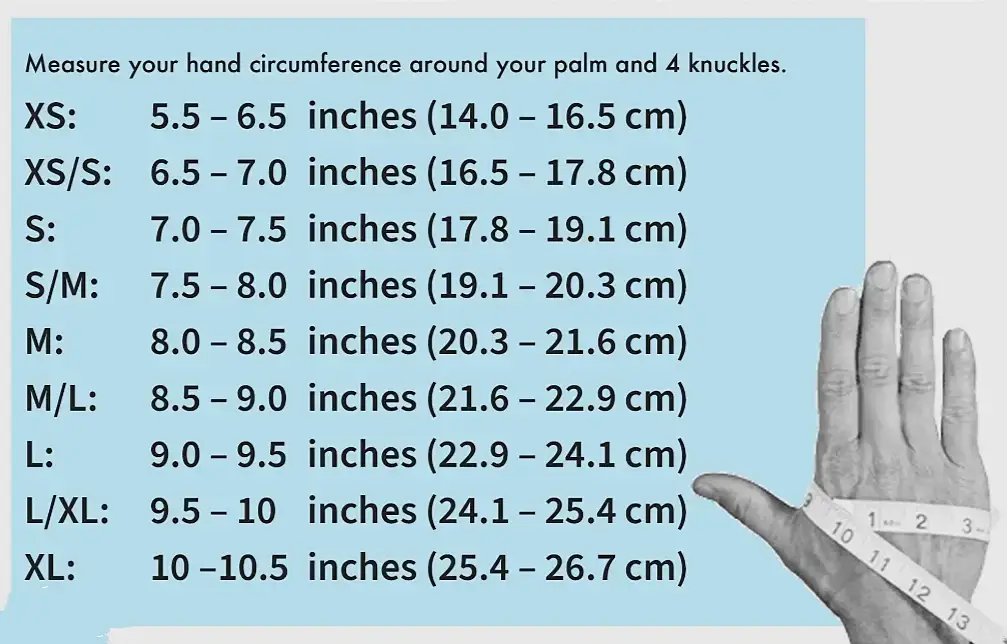
Selecting the correct welding glove size is just as important as choosing the right material or safety certification. Gloves that fit poorly can reduce grip, limit dexterity, increase hand fatigue, and create unnecessary safety risks during welding. A properly fitted glove should provide a secure fit while allowing natural finger movement and full control of welding equipment.
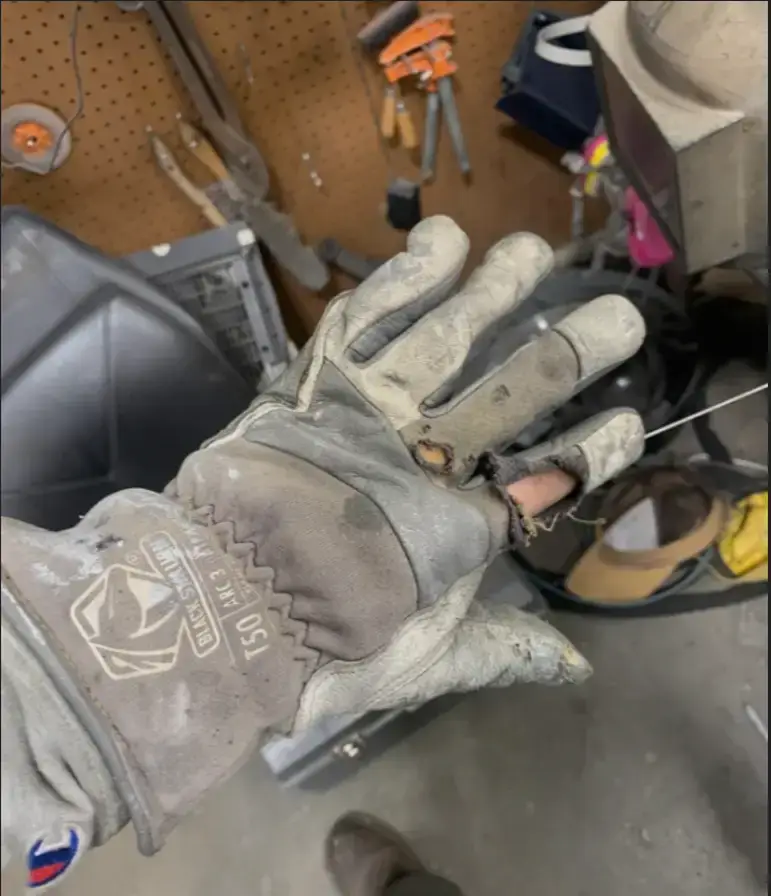
Even high-quality welding gloves eventually wear out under continuous exposure to heat, sparks, molten metal, abrasion, and mechanical stress. Continuing to use damaged gloves significantly increases the risk of burns, cuts, punctures, and reduced workplace safety. Regular inspection before every welding task should become part of every welder's routine.
Different welding applications require different glove materials. Selecting leather based solely on appearance or price can reduce comfort, productivity, and protection. Matching the leather type to the welding process provides better durability, dexterity, and heat resistance.
Choosing the right welding gloves is only the first step toward safer and more productive welding. Experienced welders know that proper glove selection, regular inspection, and routine maintenance significantly reduce workplace injuries and improve glove lifespan. Follow these practical recommendations to avoid the most common and costly welding glove mistakes.
Always choose gloves that match the welding process you perform. TIG welding requires lightweight gloves for precision and dexterity, while MIG and Stick welding require thicker gloves that provide greater protection against heat, sparks, and molten metal.
The cheapest welding gloves often wear out faster, provide less protection, and require more frequent replacement. Investing in certified, high-quality gloves usually lowers your long-term operating costs.
For professional welding, choose gloves that comply with relevant standards such as EN 407 for heat protection, EN 388 for mechanical protection, and EN 12477 for welding applications.
Before starting work, examine your gloves for holes, worn leather, loose seams, damaged fingertips, burn marks, or excessive abrasion. Early inspection helps prevent workplace injuries.
Never continue welding with gloves that have holes, torn leather, or broken stitching. Damaged gloves can no longer provide the level of protection required for industrial welding.
Properly fitted welding gloves improve grip, comfort, dexterity, and overall welding performance while reducing hand fatigue during long work shifts.
Remove debris after every use, clean leather correctly, allow gloves to air dry naturally, and store them in a cool, dry environment to maximize their service life.
Cowhide, goatskin, deerskin, and split leather each provide different levels of heat resistance, durability, flexibility, and comfort. Match the leather type to your welding application.
Do not wait until your gloves completely fail. Replacing worn gloves before holes or severe damage appear helps maintain continuous protection and reduces injury risks.
Consider heat exposure, sparks, molten metal, abrasion, sharp edges, welding duration, and the welding process before selecting your welding gloves. Matching PPE to workplace hazards is one of the most effective ways to improve safety.
Professional welders understand that welding gloves are safety equipment—not disposable accessories. Selecting the right glove, inspecting it regularly, maintaining it properly, and replacing it before protection is compromised helps reduce workplace injuries, improves welding performance, and lowers long-term operating costs.
Making informed PPE decisions is one of the simplest ways to improve both safety and productivity in industrial welding environments.
the wrong glove is not just a comfort issue—it can increase the risk of burns, reduced dexterity, and premature PPE failure.
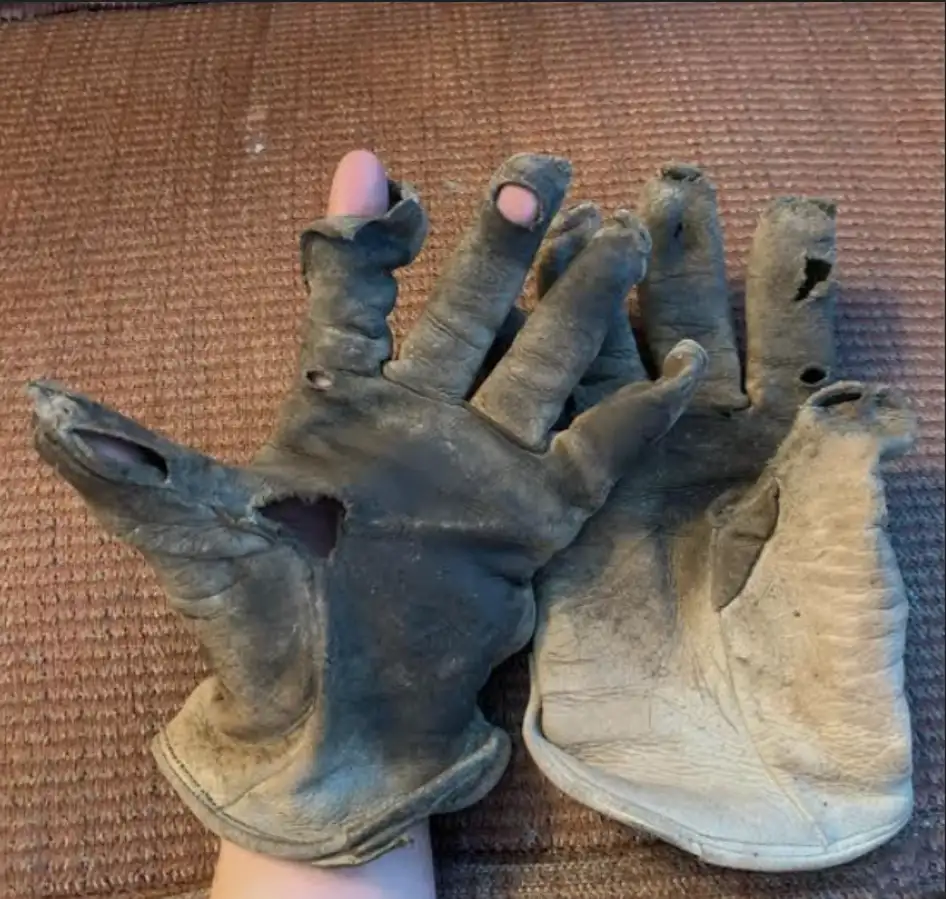
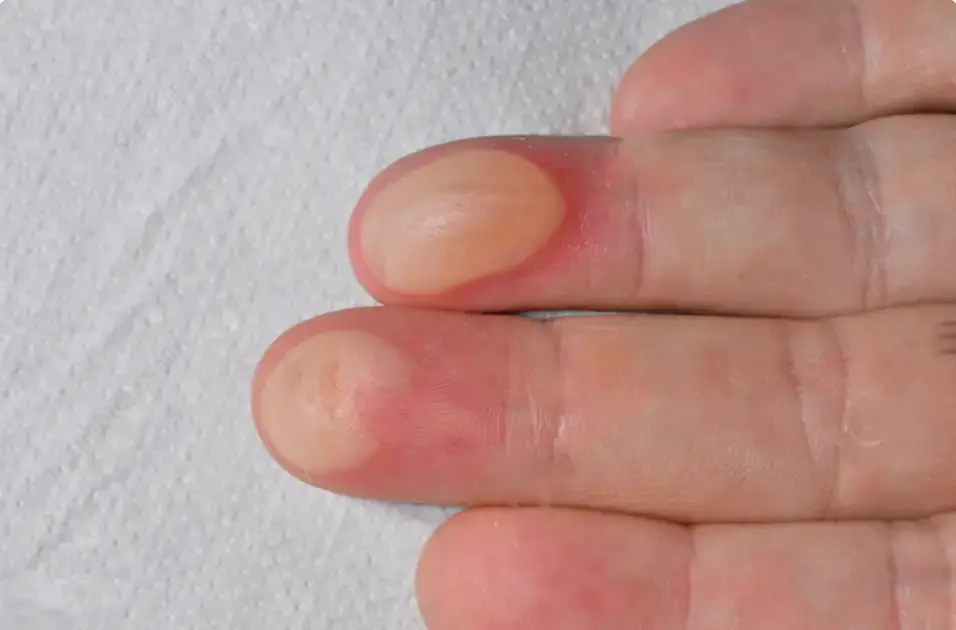
Selecting welding gloves with recognized safety certifications ensures that the gloves have been independently tested for heat resistance, mechanical protection, and welding performance.
Before purchasing, verify that the gloves comply with the appropriate standards for your welding process and working environment.
EN 407 is the European standard for gloves that protect against thermal hazards, including heat, flames, and molten metal. It is one of the most important certifications for welding gloves because it measures how well a glove performs under high-temperature conditions.
To understand the EN 407 certificate Read Our Exhaustive Breakdown Of The EN 407 Heat Resistance Ratings.
EN 388 evaluates protective gloves against mechanical hazards such as abrasion, cuts, tears, and punctures. Welding gloves carrying both EN 388 and EN 407 certifications provide balanced protection against both physical and thermal risks.
To understand the EN 388 certificate, Check Our Complete Guide On Understanding EN 388 Mechanical Protection.
EN 12477 is the European standard specifically developed for welding protective gloves. Unlike EN 388 or EN 407, it combines both mechanical and thermal performance requirements while classifying gloves according to the level of dexterity required for different welding processes.
Type A welding gloves provide higher protection against heat, sparks, and mechanical hazards. They are generally thicker and offer maximum durability, making them suitable for demanding industrial work.
Type B gloves prioritize dexterity and precision over maximum heat protection. They are thinner and allow better finger movement for detailed welding work.
Choose the Right Leather Type
The type of leather used in welding gloves has a significant impact on heat resistance, durability, flexibility, comfort, and overall welding performance. Selecting the appropriate leather depends on the welding process, working temperature, and level of dexterity required.
Goatskin Leather
Goatskin is soft, lightweight, and highly flexible, making it the preferred material for TIG welding where precise finger movement is essential.
Cowhide Leather
Cowhide provides an excellent balance of heat resistance, durability, and abrasion resistance, making it one of the most widely used materials for industrial welding gloves.
Deerskin Leather
Deerskin offers exceptional softness and naturally conforms to the user's hand while maintaining good durability.
Elk Hide Leather
Elk hide combines excellent durability with a naturally soft feel, making it suitable for demanding industrial welding environments.
Ensure Proper Fit and Sizing
certification. Welding gloves that are too loose reduce control, while gloves that are too tight may cause discomfort, fatigue, and restricted hand movement during long welding sessions.
A properly fitted welding glove should provide secure finger movement, comfortable wrist support, and enough room for natural hand motion without slipping.
Why Proper Fit Matters
A correctly fitted glove improves comfort, dexterity, grip, and safety, allowing welders to maintain better control over welding equipment.
How to Measure Your Hand
Measure the circumference of your dominant hand around the knuckles (excluding the thumb) and compare it with the manufacturer's glove sizing chart.
Welding Glove Selection Checklist
Choosing the right welding gloves involves more than selecting a leather type or certification. Before making a purchase, evaluate the glove's heat resistance, mechanical protection, fit, comfort, durability, and compatibility with your welding process. The checklist below summarizes the most important factors to help you select welding gloves that provide reliable protection and long-term performance in professional welding environments.
Quick Answers Before Buying Welding Gloves
What is the most important factor when choosing welding gloves?
Choose welding gloves that match your welding process, heat exposure, and required level of dexterity. Selecting the correct glove improves safety, comfort, and welding performance.
Which safety certifications should welding gloves have?
Professional welding gloves should ideally comply with EN 407 for heat protection, EN 388 for mechanical protection, and EN 12477 for welding glove performance requirements.
Which leather is best for TIG welding?
Goatskin leather is commonly preferred for TIG welding because it provides excellent flexibility, finger dexterity, and precise torch control.
Which leather is best for MIG and Stick welding?
Cowhide, Split Leather, and Elk Hide are commonly used for MIG and Stick welding because they provide excellent heat resistance, durability, and protection against sparks and molten metal.
Should welding gloves fit tightly?
Welding gloves should fit snugly without restricting finger movement. A proper fit improves comfort, grip, and safety while reducing hand fatigue during long welding sessions.
What should I check before buying welding gloves?
Verify the welding process, leather type, EN certifications, heat resistance, fit, stitching quality, reinforced construction, and overall comfort before making your final decision.
Welding Glove Selection Checklist Table
The comparison table below summarizes the key factors to evaluate before purchasing welding gloves. It provides a practical checklist that helps welders compare products based on protection, comfort, durability, and suitability for different welding applications.
Final Recommendation :
The best welding gloves are those that match your specific welding process, provide certified protection against heat and mechanical hazards, fit comfortably, and are manufactured from high-quality materials designed for industrial use. Taking a few minutes to evaluate these factors before purchasing helps improve workplace safety, welding performance, and the overall lifespan of your gloves.
Professionals rely on welding gloves that deliver consistent protection, long-term durability, and dependable performance in demanding industrial environments. ARASWELD welding gloves are designed to meet the practical needs of welders by combining high-quality materials, heat-resistant construction, and industry-recognized safety standards. Whether working in fabrication shops, construction sites, shipyards, or manufacturing facilities, selecting the right protective gloves helps improve both safety and productivity.
Built for Industrial Welding Environments
Industrial welding environments expose workers to extreme heat, sparks, molten metal, and mechanical hazards every day. ARASWELD welding gloves are designed to perform reliably in demanding industries such as Construction & Infrastructure, shipbuilding, oil and gas, metal fabrication, Foundries, manufacturing, and heavy industrial maintenance, where durability and protection are essential.
Tested for Heat and Mechanical Protection
Reliable welding gloves should provide protection against both thermal and mechanical hazards. ARASWELD welding gloves are designed to meet recognized European safety standards, including EN 407 for heat and flame resistance and EN 388 for mechanical protection against abrasion, cuts, tears, and punctures. These certifications help ensure consistent performance in professional welding applications.
Designed by A Welder for Real Welding Conditions
Every welding environment presents different challenges, from precision TIG welding to heavy-duty MIG and Stick welding. Rather than focusing only on specifications, ARASWELD welding gloves are developed with practical industrial use in mind, emphasizing comfort, protection, durability, and ease of movement during extended working hours. This practical approach helps welders work more safely and efficiently across a wide range of applications.
Key Reasons Professionals Choose ARASWELD
Professionals often evaluate welding gloves based on their overall construction, certified protection, and long-term reliability. The following features make ARASWELD welding gloves suitable for demanding industrial environments.
Ready to Choose Professional Welding Gloves?
Selecting the right welding gloves starts with understanding your welding process, safety requirements, and working environment. If you are looking for professional welding gloves that combine heat resistance, mechanical protection, durability, and comfort, explore the ARASWELD product range to find gloves designed for demanding industrial applications.
Choose Professional Welding Gloves Different industries expose welders to different levels of heat, sparks, molten metal, abrasion, and mechanical hazards. As a result, there is no single welding glove that is ideal for every application. Choosing industry-specific welding gloves helps improve safety, comfort, durability, and productivity while reducing the risk of workplace injuries.
Whether you work in construction, shipbuilding, steel fabrication, or foundries, selecting gloves that match your working environment is just as important as selecting the correct welding process. Features such as heat resistance, abrasion resistance, Kevlar® stitching, reinforced palms, and compliance with EN 388 and EN 407 standards should always be considered.
Matching welding gloves to your industry helps ensure maximum protection, longer glove life, and better welding performance.
Construction and infrastructure projects expose welders to heavy steel components, rough materials, sparks, and continuous mechanical wear. Welding gloves used in these environments should combine high abrasion resistance, excellent durability, and dependable heat protection to withstand demanding daily work on bridges, buildings, pipelines, and structural steel projects.
Construction welders frequently handle large materials and work in outdoor environments where gloves must remain reliable throughout long shifts. Industrial welding gloves made from cowhide or split leather, reinforced with Kevlar® stitching, provide excellent protection for these applications.
What welding gloves are best for construction work?
Construction welders need heavy-duty welding gloves that provide high heat resistance, abrasion protection, and long-lasting durability. Cowhide or split leather gloves with reinforced palms, Kevlar® stitching, and extended safety cuffs are commonly recommended because construction environments expose workers to sparks, rough materials, and continuous heavy-duty use.
Why are reinforced welding gloves important on construction sites?
Construction sites involve frequent contact with steel beams, structural components, concrete reinforcement, and abrasive surfaces. Reinforced welding gloves help reduce wear, improve grip, extend glove lifespan, and protect workers from cuts, abrasion, heat, and mechanical hazards.
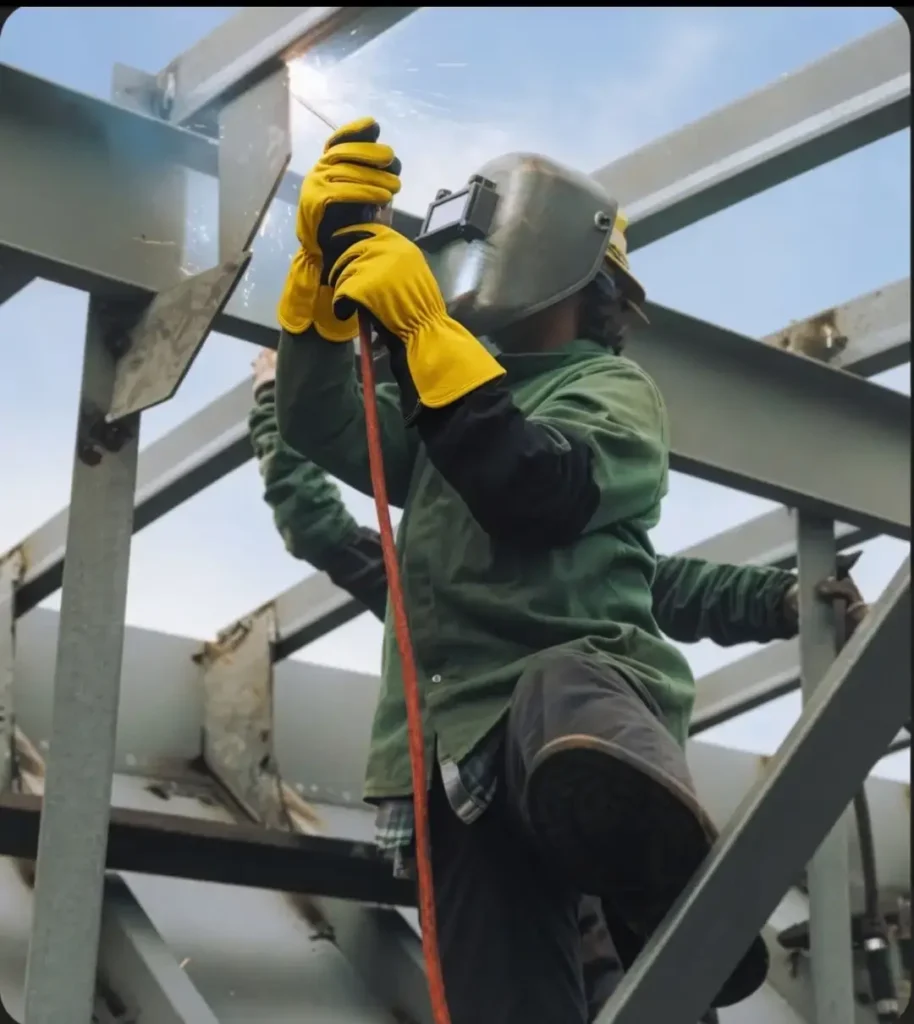
Shipbuilding and marine industries expose welders to high temperatures, saltwater humidity, corrosion, and continuous fabrication work. Welding gloves used in these environments should provide dependable heat resistance, mechanical durability, and resistance to harsh working conditions while maintaining comfort during extended shifts.
Marine fabrication often involves confined spaces, heavy steel structures, and repetitive welding tasks. Professional welding gloves with reinforced palms, heat-resistant leather, and extended cuffs help improve safety and durability in shipyards and offshore facilities.
Why do shipbuilders need heat-resistant welding gloves?
Shipbuilding exposes welders to prolonged heat, sparks, confined spaces, and heavy steel fabrication. Heat-resistant welding gloves help protect against radiant heat, molten metal splashes, and mechanical wear while maintaining durability during long welding shifts.
Which welding glove features are most important for marine fabrication?
Marine welders benefit from gloves with thick leather construction, reinforced stitching, long cuffs, abrasion resistance, and certified EN 388 and EN 407 protection. These features improve worker safety in demanding shipbuilding environments.

Steel & Pressure Vessels
Steel fabrication and pressure vessel manufacturing require welding gloves capable of withstanding continuous abrasion, high temperatures, and heavy mechanical stress. Welders regularly work with thick steel plates, pressure vessels, structural components, and industrial equipment that demand reliable hand protection.
For these applications, industrial welding gloves should provide excellent cut resistance, abrasion resistance, and thermal protection, while maintaining enough flexibility for handling fabrication tools and welding equipment.
What type of welding gloves should steel fabricators use?
Steel fabrication requires durable welding gloves that resist abrasion, heat, sparks, and sharp metal edges. Cowhide or split leather gloves with reinforced palms and Kevlar® stitching provide the strength needed for heavy fabrication work.
Why is abrasion resistance important in steel fabrication?
Steel fabricators constantly handle raw steel plates, beams, and fabricated components. High abrasion resistance helps prevent premature glove wear while maintaining reliable protection throughout daily industrial operations.
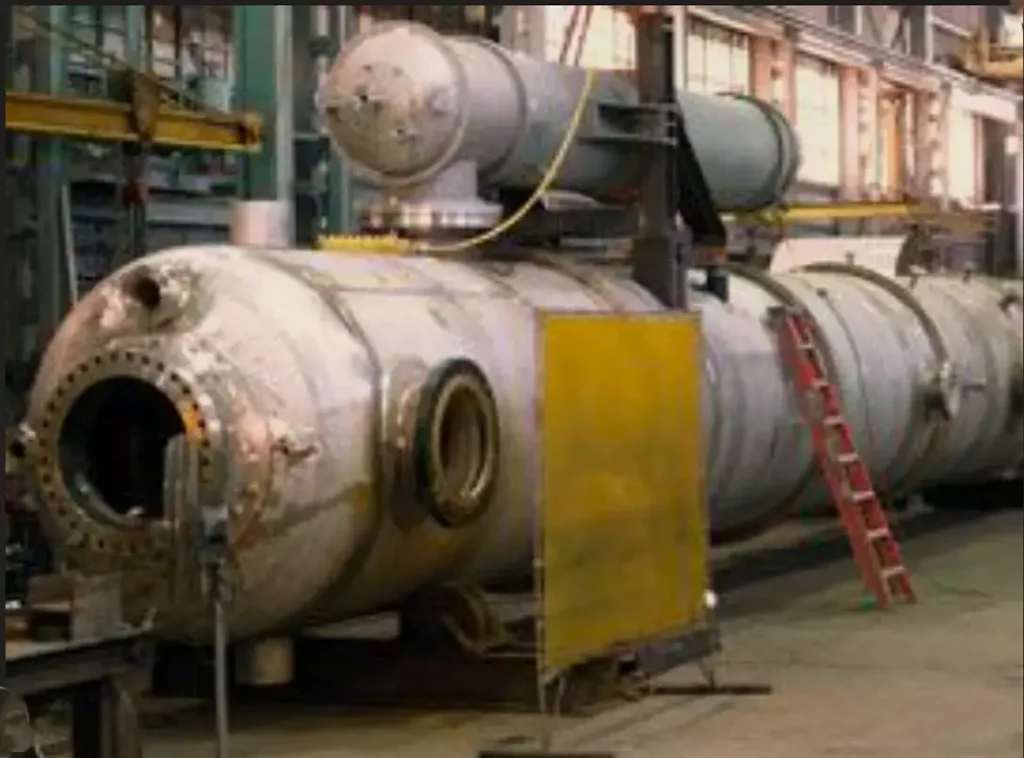
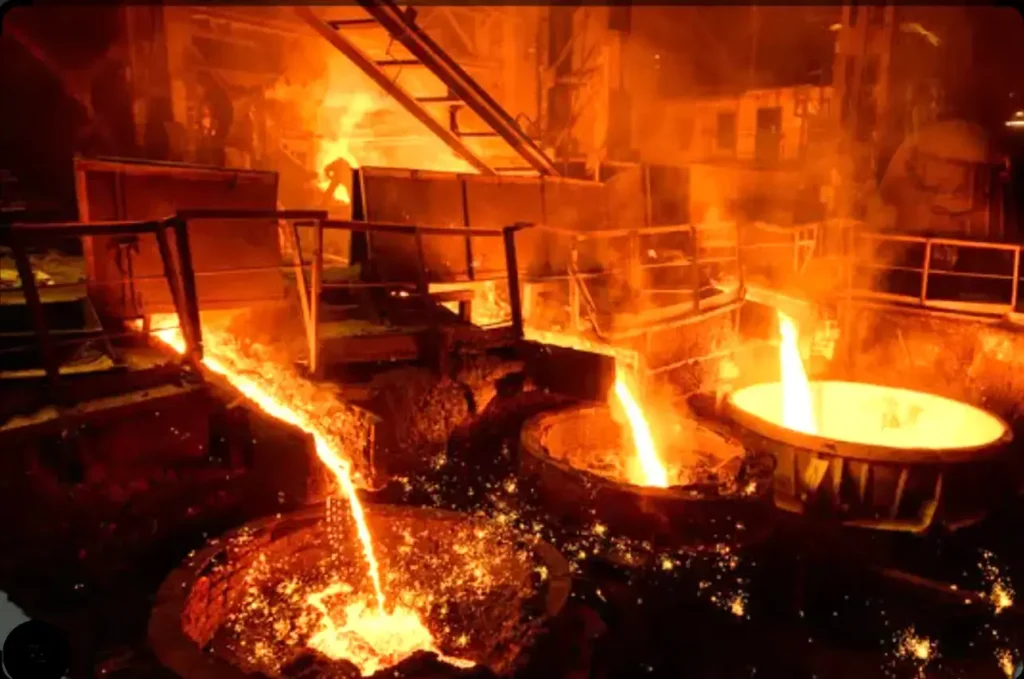
Foundries, Steel Mills & Smelting Plants
Foundries, steel mills, and smelting plants expose workers to some of the most demanding industrial conditions, including extreme heat, radiant heat, molten metal splashes, and constant contact with heavy steel components. Welding gloves used in these environments should deliver maximum heat resistance, outstanding mechanical durability, and reliable protection throughout prolonged exposure to high temperatures.
Workers in steel production and metal casting often operate near furnaces, molten metal, and heavy equipment. For these applications, high-temperature welding gloves made from split leather or heavy-duty cowhide, reinforced with Kevlar® stitching and certified to EN 407 and EN 388, provide the highest level of protection.
Which welding gloves are suitable for foundries and steel mills?
Foundries and steel mills require heavy-duty welding gloves with exceptional heat resistance, molten metal splash protection, thick leather construction, and reinforced stitching. Gloves certified to EN 407 are especially important for these high-temperature environments.
Why do foundry workers need gloves with extended cuffs?
Extended safety cuffs protect the wrists and forearms from radiant heat, sparks, molten metal splashes, and hot surfaces commonly encountered in foundries, smelting plants, and steel production facilities.
Oil, Gas & Refineries
Welding in the oil, gas, and refinery industry exposes workers to extreme heat, sparks, abrasive surfaces, confined spaces, and continuous heavy-duty operations. Welding gloves used in these environments must provide exceptional heat resistance, mechanical durability, and long-lasting comfort while protecting against daily industrial hazards. Gloves certified to EN 388 and EN 407 help improve worker safety in demanding refinery and energy applications.
Which welding gloves are suitable for oil and gas refineries?
Oil and gas refinery workers should choose heavy-duty welding gloves made from durable leather with reinforced palms, Kevlar® stitching, extended cuffs, and EN 388 and EN 407 certification to withstand high temperatures and harsh industrial environments.
What glove features improve safety in refinery welding?
The most important features include heat resistance, abrasion protection, puncture resistance, durable stitching, extended cuff protection, and a comfortable fit for prolonged industrial work.

EV & Automotive Manufacturing
Electric vehicle and automotive manufacturing require welding gloves that prioritize precision, flexibility, comfort, and repetitive-task performance. TIG welding, robotic welding support, and assembly-line fabrication demand gloves that provide excellent finger dexterity while maintaining protection against heat and mechanical hazards. Lightweight leather gloves made from goatskin or deerskin are commonly preferred for these applications.
What gloves are recommended for automotive welding?
Automotive welding typically requires lightweight, flexible welding gloves that provide excellent finger dexterity and precise tool control. Goatskin leather gloves are commonly preferred for TIG welding and precision assembly applications.
Why is flexibility important in EV manufacturing?
Electric vehicle manufacturing often involves detailed welding tasks that require accurate torch control and repetitive movements. Flexible gloves reduce hand fatigue while improving comfort and precision throughout long production shifts.
Aerospace & Defense
Aerospace and defense manufacturing demand the highest levels of precision, quality control, and worker protection. Welders often work with specialized alloys and critical structural components where both dexterity and heat protection are essential. Welding gloves should provide excellent control while maintaining resistance to sparks, abrasion, and elevated temperatures.
Which gloves provide the dexterity required for aerospace welding?
Aerospace welding requires lightweight leather gloves that provide excellent finger sensitivity while maintaining reliable protection against heat and mechanical hazards. Thin goatskin gloves are often preferred for precision welding operations.
See this article for more information.Aerospace & Defense leather Welding Gloves for High-Risk Applications
Why are certified welding gloves important in aerospace manufacturing?
Certified welding gloves help ensure consistent protection, reliable material performance, and compliance with strict manufacturing quality standards required in aerospace and defense industries.

HVAC & Industrial Systems
HVAC installation and industrial system fabrication involve welding in both workshop and on-site environments. Workers require gloves that balance heat resistance, flexibility, and grip for handling sheet metal, ducts, piping, and structural components. Comfortable gloves improve productivity during long installation and maintenance projects.
Are lightweight welding gloves suitable for HVAC installation?
Yes. HVAC professionals often prefer lightweight leather welding gloves because they provide better flexibility, grip, and comfort when welding ductwork, ventilation systems, and industrial piping. The gloves should still provide adequate heat and abrasion protection.
What features should HVAC welding gloves include?
HVAC welding gloves should offer good flexibility, secure grip, moderate heat resistance, durable stitching, and a comfortable fit for installation, maintenance, and fabrication work.

The table below summarizes the most important welding glove requirements for each industry, including primary hazards, recommended leather, safety certifications, and key glove features. This helps welders, safety managers, and industrial buyers quickly compare which gloves are most suitable for different working environments.
Choose welding gloves based on your industry, welding process, heat exposure, and workplace hazards. Heavy industries such as construction, shipbuilding, steel fabrication, foundries, and oil & gas refineries require thick leather gloves with high heat resistance, reinforced palms, Kevlar® stitching, extended safety cuffs, and certifications such as EN 388, EN 407, and EN 12477. In contrast, industries like automotive, EV manufacturing, aerospace, and HVAC often prioritize lightweight leather, finger dexterity, precision control, and all-day comfort while still providing reliable protection against heat and mechanical hazards. Selecting welding gloves that match your specific industry improves worker safety, productivity, comfort, and glove lifespan, while helping ensure compliance with industrial safety requirements.
Not always. Every industry presents different hazards and welding requirements. TIG welding often requires thin, flexible gloves, while heavy industries such as construction, foundries, and oil refineries require thicker gloves that provide greater heat and mechanical protection.
Cowhide and split leather are the most common choices for heavy industrial welding because they offer excellent durability, abrasion resistance, and heat protection. Goatskin is generally preferred when greater flexibility and dexterity are required.
Industrial welding gloves should ideally comply with EN 388 for mechanical protection, EN 407 for heat and flame protection, and EN 12477, the European standard specifically developed for welding gloves.
Choose welding gloves according to the hazards, welding process, and working environment. Construction, foundries, shipbuilding, and refineries typically require heavy-duty gloves with superior heat resistance and durability, while automotive, aerospace, and HVAC applications often prioritize flexibility, precision, and comfort. Selecting gloves that match your industry helps improve safety, productivity, and long-term performance.
Expert Tip:
While one pair of welding gloves may be suitable for several applications, choosing gloves specifically designed for your industry provides the best balance of protection, comfort, durability, and productivity.
Always evaluate your working environment, welding process, and exposure to heat and mechanical hazards before selecting industrial welding gloves.
Ready to Find the Right Welding Gloves for Your Industry?
Whether you work in construction, shipbuilding, steel fabrication, foundries, oil & gas, automotive manufacturing, aerospace, or HVAC, selecting the right welding gloves improves workplace safety, comfort, and long-term performance. Explore the ARASWELD collection to find professional welding gloves designed for your industry's specific challenges.
Proper welding glove care is essential for maintaining heat resistance, mechanical protection, comfort, and durability throughout the life of your personal protective equipment (PPE). Daily exposure to sparks, molten metal, abrasion, and high temperatures gradually affects leather, stitching, and insulation. Regular cleaning, proper storage, and routine inspections help preserve the protective performance of your welding gloves while extending their service life.
Whether you use MIG, TIG, or Stick welding gloves, following the correct maintenance practices helps reduce unnecessary wear, improves safety, and ensures your gloves continue to perform in demanding industrial environments.
Proper care and maintenance help welding gloves maintain their heat resistance, mechanical protection, comfort, and durability.The comparison table below summarizes the essential maintenance practices recommended for professional leather welding gloves used in MIG, TIG, Stick, and industrial welding applications
Daily maintenance prevents dirt, metal particles, welding slag, oils, and moisture from damaging leather fibers. A few minutes of care after each welding shift can significantly extend glove lifespan while maintaining flexibility, comfort, and protective performance.
Heat, sparks, and repeated flexing gradually dry leather and reduce its natural flexibility. Proper conditioning and protection help preserve leather strength, prevent premature cracking, and maintain long-term comfort without compromising welding safety.
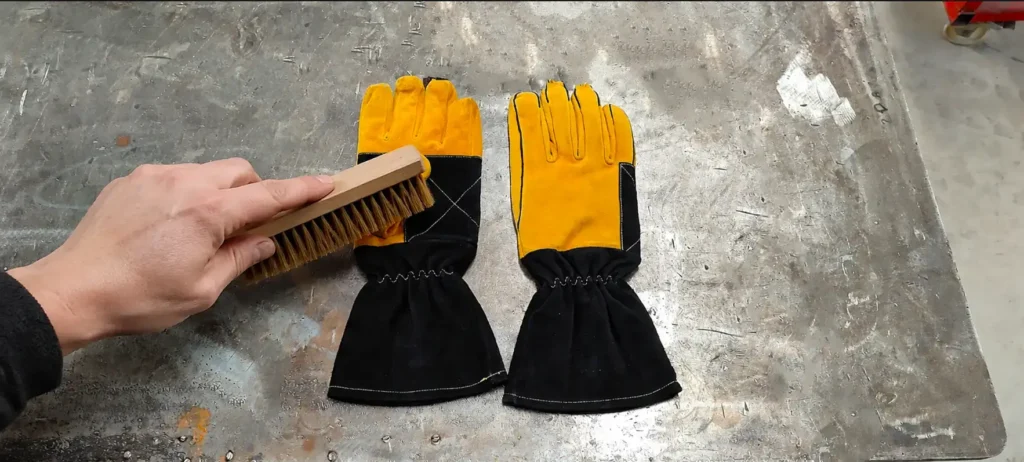
Correct storage and regular inspections are essential for maintaining protective performance. Gloves that appear usable may already have hidden damage affecting heat resistance or mechanical protection. Inspecting your gloves before every welding task helps reduce workplace risks.
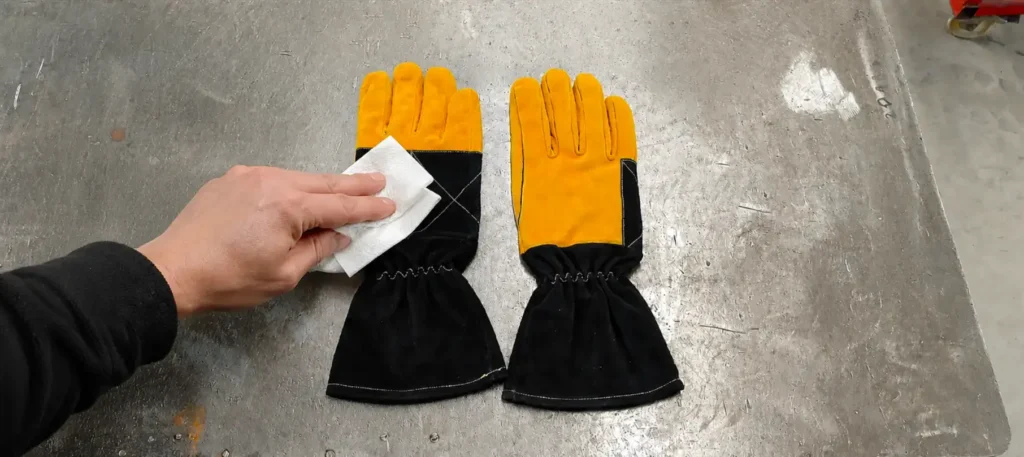
Cowhide is one of the most widely used materials for MIG, Stick, and heavy-duty industrial welding gloves because it offers excellent heat resistance, abrasion resistance, and long-term durability. Although cowhide is naturally tough, regular maintenance is still essential to preserve its flexibility, prevent premature cracking, and maintain reliable protection in demanding welding environments.
Goatskin is valued for its exceptional flexibility, finger dexterity, and soft texture, making it a popular choice for TIG welding, automotive manufacturing, aerospace, and precision fabrication. Because goatskin is naturally thinner than cowhide, proper maintenance helps preserve its comfort and working performance.
Deerskin is known for its exceptional comfort, softness, and ability to mold naturally to the user's hands. It is commonly chosen for long welding shifts where comfort and flexibility are priorities. Proper care helps preserve these characteristics while maintaining dependable protection.
Split leather is one of the most widely used materials in MIG, Stick, and heavy-duty industrial welding gloves because of its excellent heat resistance, abrasion resistance, and durability. Its rough surface provides additional protection against sparks and molten metal, making it ideal for demanding welding environments. Although split leather is extremely durable, regular maintenance is essential to preserve its protective performance and extend its service life.
Even high-quality welding gloves can lose their protective performance if they are maintained incorrectly. Avoiding the following common mistakes helps preserve heat resistance, mechanical protection, comfort, and glove lifespan, while reducing unnecessary replacement costs.
Professional welders know that glove lifespan depends not only on material quality but also on daily care and proper usage. Following these best practices helps maximize protection, comfort, and long-term performance.
Choosing the right welding gloves is one of the most important decisions you can make to protect your hands, improve welding performance, and ensure long-term workplace safety. Throughout this guide, you've learned how different welding processes, leather materials, safety certifications, glove construction, proper sizing, industry requirements, and maintenance practices all influence the level of protection and comfort a welding glove can provide.
Whether you're a professional welder, fabrication shop owner, safety manager, or someone purchasing welding gloves for the first time, selecting gloves that match your specific application will help reduce workplace injuries, improve productivity, and extend the service life of your personal protective equipment (PPE). Before making your final decision, review the key recommendations below to ensure you choose welding gloves that meet the demands of your working environment.
Every welding application presents different hazards, temperatures, and performance requirements. The recommendations below help match the right welding glove to the right job, allowing you to choose protective equipment that balances safety, comfort, durability, and dexterity.


Choosing the right welding gloves involves more than selecting the correct size. Welders should consider the welding process, heat exposure, glove materials, safety certifications, fit, and working environment to ensure reliable protection and long-term comfort. The frequently asked questions below answer the most common questions from professional welders, beginners, industrial buyers, and safety managers, helping you make informed decisions based on industry best practices.
Selecting the right welding gloves is one of the most important factors in preventing hand injuries and improving welding performance. The following questions explain how to choose gloves based on the welding process, working conditions, materials, and safety requirements.
Different welding processes generate different levels of heat, sparks, and molten metal. Choosing gloves designed specifically for TIG, MIG, or Stick welding improves protection, comfort, and welding performance while reducing unnecessary hand fatigue.
Heat protection is one of the primary functions of welding gloves. Understanding how welding gloves perform against contact heat, radiant heat, sparks, and molten metal helps welders choose gloves that provide the appropriate level of protection for their specific application.
Safety certifications provide independent verification that welding gloves meet recognized international performance standards. Understanding certifications such as EN 388, EN 407, and EN 12477 helps welders compare products and choose gloves that offer the appropriate level of protection for professional and industrial welding environments.
The materials used in welding gloves directly affect their heat resistance, durability, comfort, and flexibility. Understanding the characteristics of different leather types and construction materials helps welders choose gloves that match their welding process, working environment, and safety requirements.
Proper glove fit is essential for maintaining control, comfort, and hand protection during welding. Gloves that fit correctly improve dexterity, reduce fatigue, and help ensure consistent protection throughout long working hours.
Different industries present different welding hazards, making it important to choose gloves designed for specific working environments. Selecting industry-appropriate welding gloves improves protection, comfort, durability, and productivity while helping reduce the risk of workplace injuries.
The following short answers address common questions frequently asked by professional welders, beginners, safety managers, and industrial buyers. These concise responses provide practical guidance while directing readers to the detailed sections of this guide for additional information.
Proper maintenance helps welding gloves provide reliable protection throughout their service life. The questions below answer the most common concerns about cleaning, conditioning, drying, storing, and replacing leather welding gloves. These practical recommendations help professional welders, industrial workers, and safety managers maintain glove performance while extending the lifespan of their personal protective equipment (PPE).
This FAQ answers common questions about welding glove selection, improper use, and safety mistakes. Understanding these issues helps welders choose the right gloves, improve workplace safety, and extend the lifespan of their personal protective equipment (PPE).
Choosing the right welding gloves is essential for safety, performance, and long-term durability. By understanding glove types, materials, and safety standards, you can select the best protection for your work environment.
Choosing the right welding gloves becomes much easier when you understand welding processes, materials, safety certifications, fit, and industry-specific requirements. Explore our detailed guides to learn more about heat-resistant welding gloves, EN 388, EN 407, welding glove materials, and industrial applications, or browse the ARASWELD collection to find professional welding gloves designed for your specific welding process and working environment.