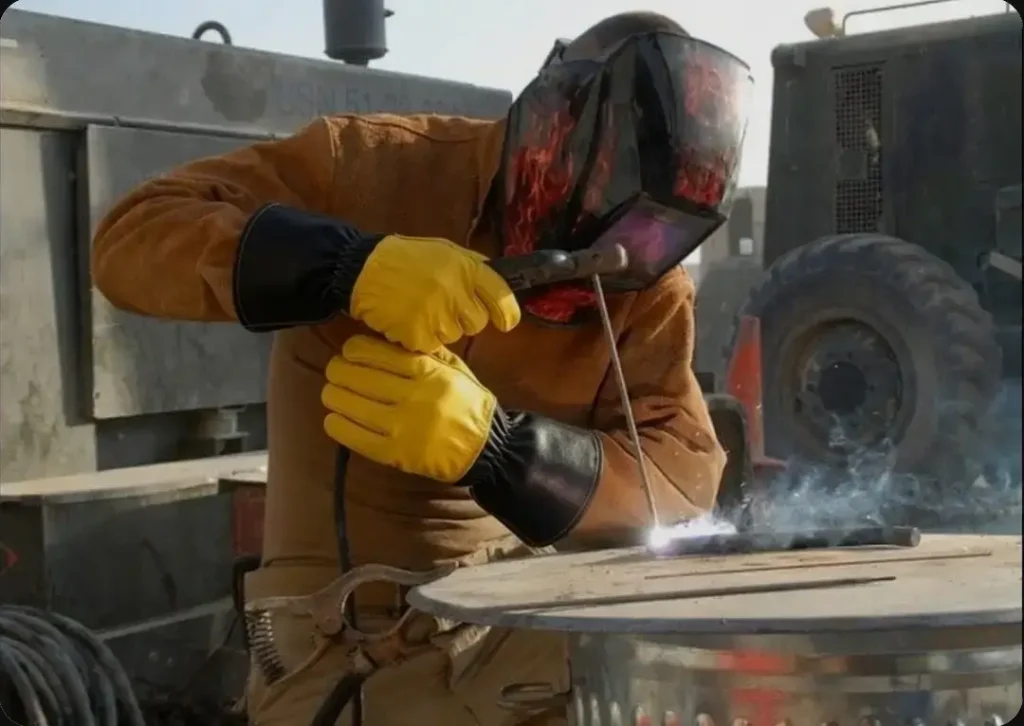
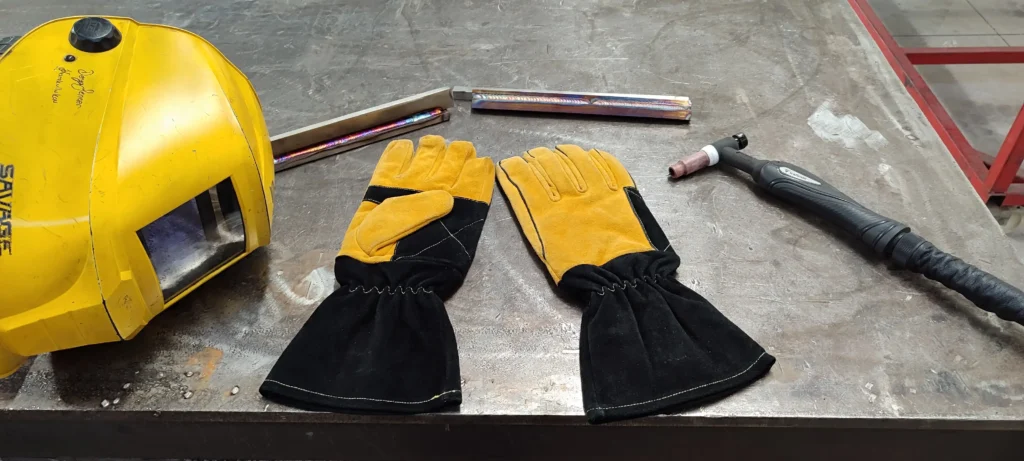
Welding gloves are not completely heat-proof. They are heat-resistant personal protective equipment designed to slow heat transfer and protect the hands during limited exposure to contact heat, radiant heat, sparks, and molten-metal spatter. Their performance depends on the complete glove construction—including the leather type and thickness, lining, seams, cuff design, fit, condition, and verified test results—not on a single material or advertised temperature.
A glove that provides suitable protection for high-spatter MIG or Stick welding may be too bulky for precision TIG work. The appropriate protection must therefore be matched to the welding process, heat source, exposure time, working conditions, and required dexterity.
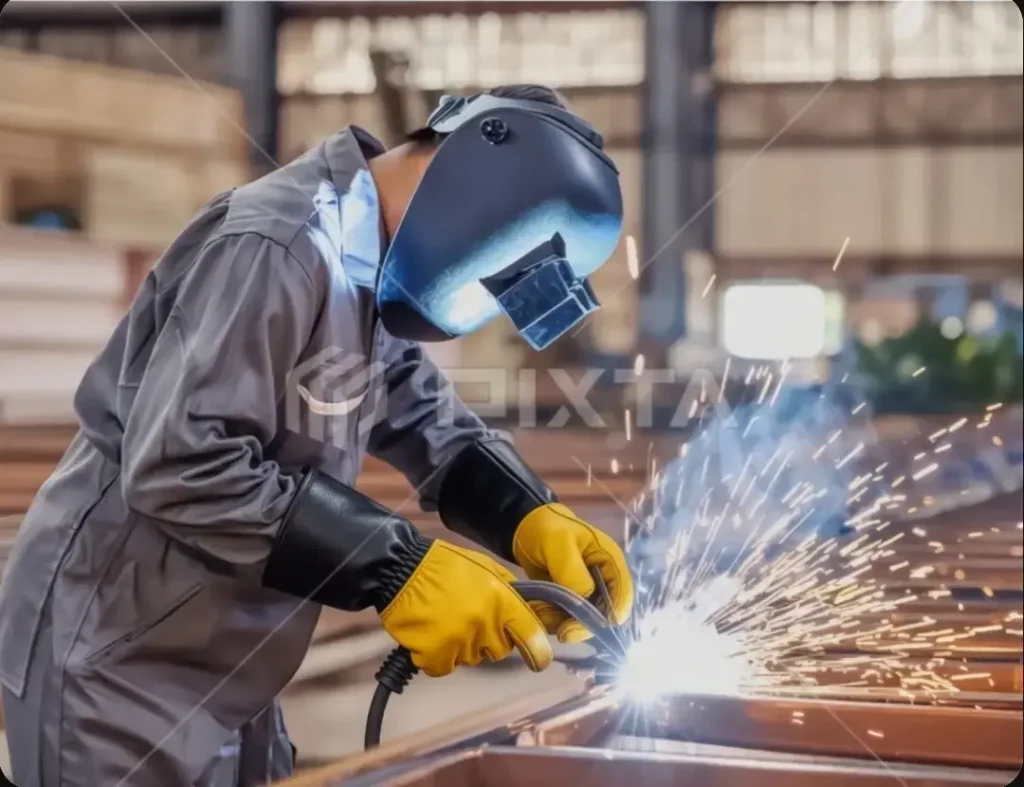
Welding gloves are heat-resistant, not heat-proof. A heat-resistant glove delays the transfer of heat for a limited period, but it cannot provide permanent protection against flame, hot metal, radiant energy, or molten spatter.
When exposure exceeds the glove’s intended use or tested performance, its materials may eventually transmit heat, harden, shrink, char, or lose their protective integrity.
This distinction is important because a temperature rating should not be treated as a universal safe-handling limit. Real-world protection changes with contact duration, type of heat, pressure against the hot object, moisture, wear, contamination, and overall glove construction. Before selecting a glove, follow our guide on how to choose welding gloves based on the actual hazards and performance requirements of your work.
The terms heat-proof and heat-resistant are not interchangeable. A heat-proof glove would completely block heat without losing protection, regardless of temperature or exposure time. In practical welding PPE, this level of permanent protection does not exist.
A heat-resistant welding glove slows heat transfer and provides protection for a limited period under specific working conditions. Its performance depends on the type of heat, exposure duration, material thickness, insulation, seams, fit, moisture, wear, and the glove’s verified safety ratings.
The key difference is exposure time. Welding gloves can provide valuable protection against heat, sparks, and spatter, but they must never be treated as an unlimited barrier. Welders should stop contact when heat begins to transfer through the glove and replace any glove showing burns, thinning, damaged seams, or reduced insulation.
Welding gloves do not have one universal maximum temperature. Their heat resistance depends on the glove material, leather thickness, thermal lining, seam construction, exposure time, glove condition, and the type of heat involved.
Some gloves may achieve EN 407 contact heat Level 4 at 500°C (932°F) under controlled laboratory conditions. However, this does not mean the wearer can safely or continuously hold metal at 500°C. Searches for 500°C welding gloves usually refer to a test result—not an unlimited real-world handling temperature.
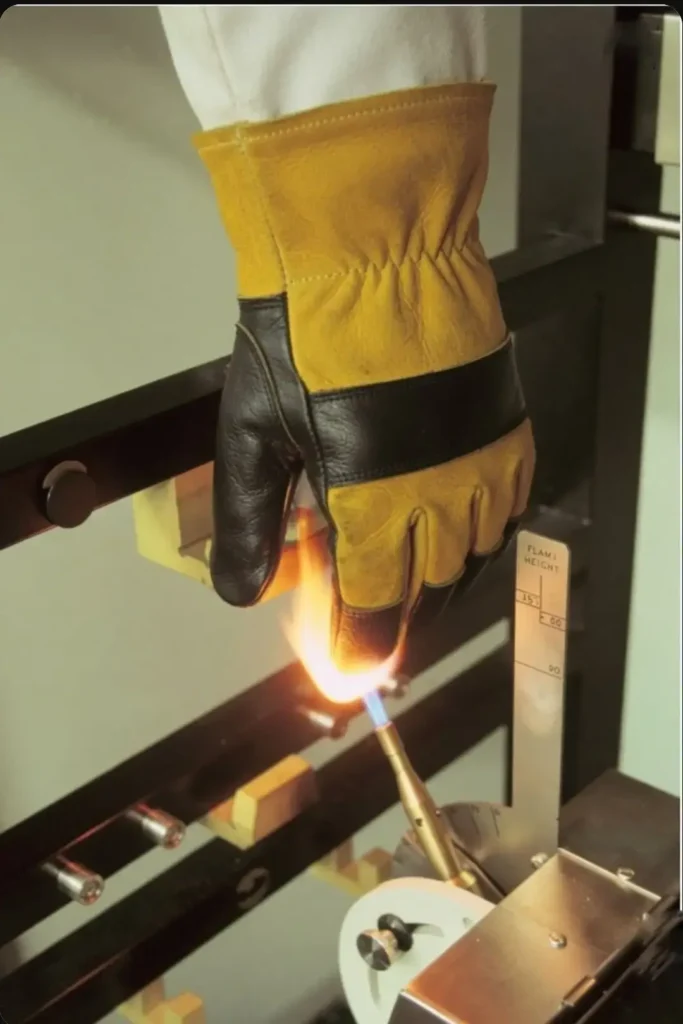
Welding gloves protect the hands and wrists from thermal and mechanical hazards produced during welding and metalworking. Their primary purpose is to reduce the risk of burns, cuts, abrasion, and skin damage while maintaining sufficient grip and control.
The best material for heat-resistant welding gloves depends on the application. Cowhide and split cowhide prioritize heat resistance and durability, goatskin supports precision and dexterity, aramid fibers reinforce seams and insulation, and aluminized materials help reflect intense radiant heat.
Cowhide welding gloves offer a practical balance of heat resistance, abrasion resistance, durability, and grip. Heavier split-cowhide constructions are commonly used for MIG, Stick, fabrication, and other high-spatter tasks where protection is more important than fine finger control.
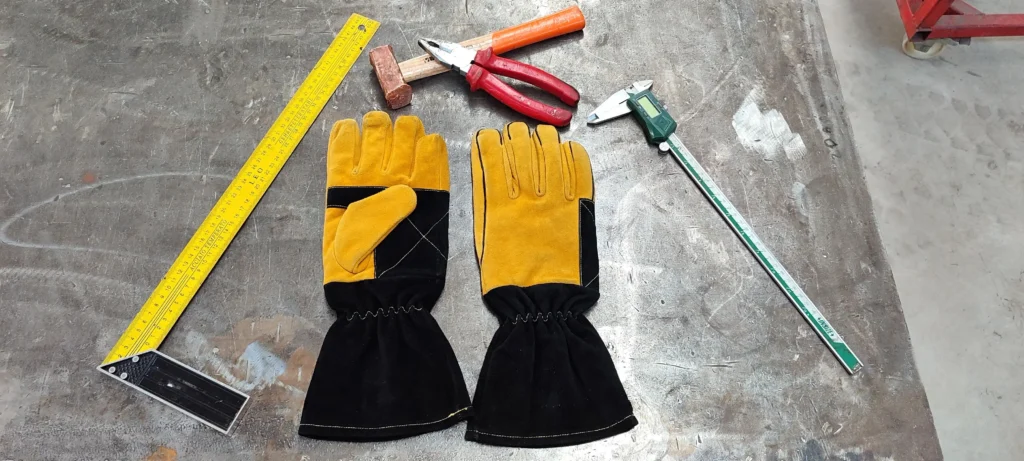
Goatskin welding gloves are softer and more flexible than many heavy cowhide constructions. They are commonly used for TIG welding and precision metalwork because they provide better tactile sensitivity and finger control.
However, lightweight goatskin gloves generally provide less thermal insulation than thicker, lined welding gloves.
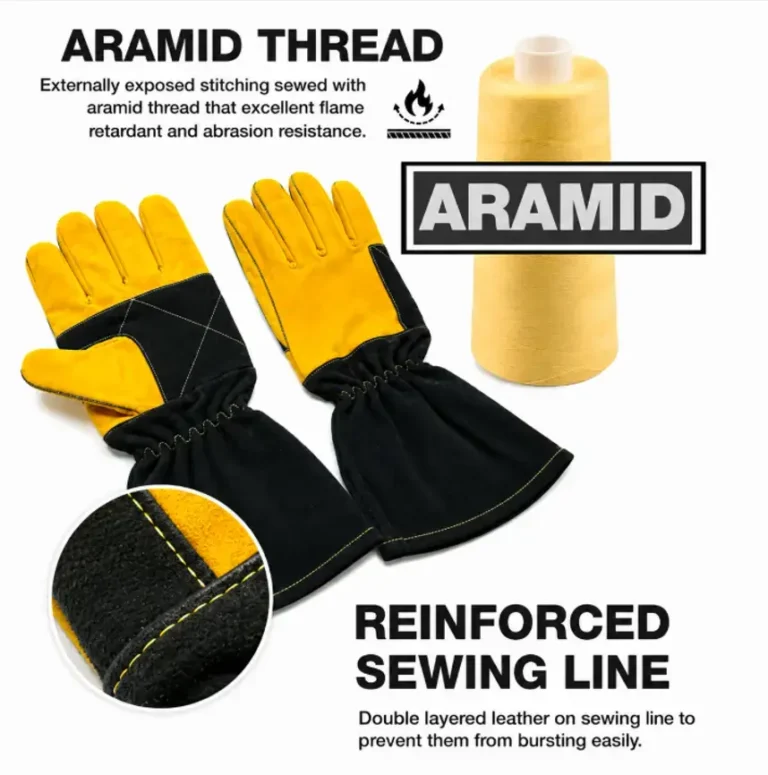
Aramid thread, including Kevlar®-type fibers, is commonly used to reinforce welding-glove seams because it resists heat and retains strength better than ordinary sewing thread.
Aramid fibers may also be used in linings and reinforcement layers.
Exper tip:
aramid stitching alone does not establish the temperature resistance of the complete glove.
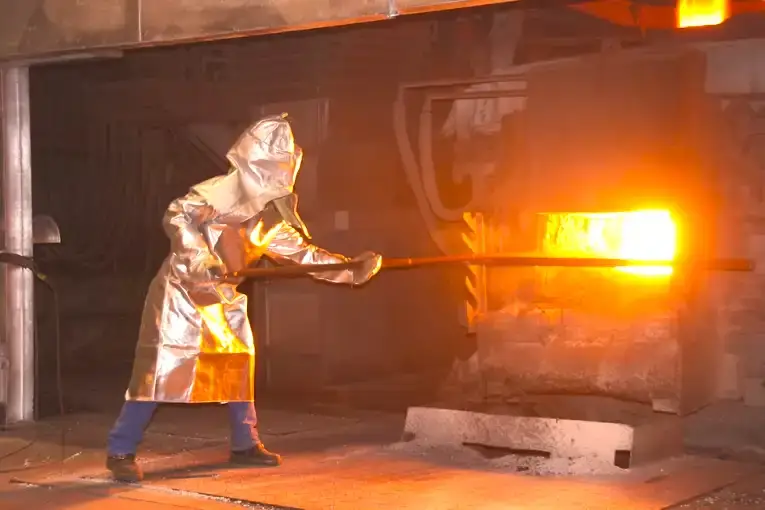
Aluminized welding gloves and heat-protective gloves use reflective surfaces to reduce radiant heat transfer. They are mainly suited to foundries, furnace work, molten-metal operations, and other environments with intense radiant heat.
They are not automatically the best choice for every welding application because reflective constructions may reduce flexibility and tactile control.
For a more detailed explanation of leather types, aramid fibers, thermal linings, welding processes, and safety standards, read our Complete Guide to Welding Gloves.
MIG, TIG, and Stick welding gloves are designed for different levels of heat, welding spatter, dexterity, and durability. MIG gloves balance heat protection with tool control, TIG gloves prioritize precision and finger movement, and Stick welding gloves generally use heavier insulation for intense heat and heavy spatter.
Expert tip:
The correct choice depends on the welding process, amperage, exposure time, spatter level, glove construction, and required dexterity.
MIG welding gloves are commonly made from cowhide or split leather and may include reinforced palms, heat-resistant seams, and thermal linings. They provide a practical balance of heat resistance, spatter protection, durability, and grip for fabrication and general industrial welding.
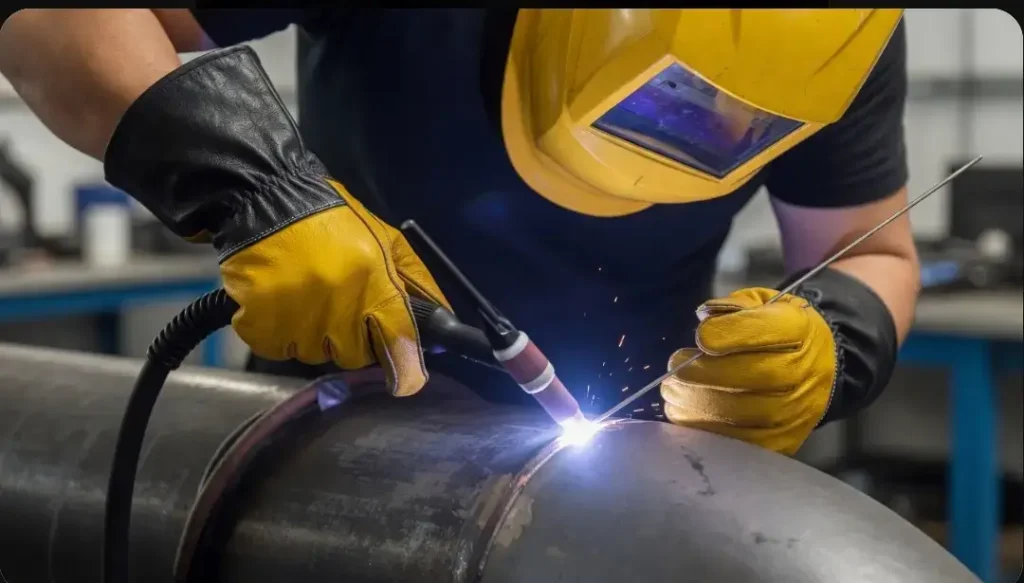
TIG welding gloves are usually thinner and more flexible because TIG welding requires precise torch and filler-rod control. Goatskin and other soft leather constructions are commonly used to improve tactile sensitivity, finger movement, and dexterity.
Their lighter construction generally provides less insulation than heavy MIG or Stick welding gloves.
Stick welding gloves typically use thick split leather, insulated linings, long cuffs, and reinforced seams. They are designed for the high heat, sparks, slag, and heavy welding spatter commonly associated with Stick welding.
This heavier construction increases protection and durability but may reduce fine finger control.
Welding glove safety standards identify how protective gloves perform against welding-specific, thermal, and mechanical hazards. EN 12477 addresses protective gloves for welders, EN 407 evaluates heat and flame risks, EN 388 covers mechanical protection, and ANSI/ISEA 105 provides hazard-based hand-protection classifications for the United States.
Expert tip:
Type A and Type B describe different balances between protection and hand control, neither type is automatically best for every welding process.
For broader coverage of EN 12477 welding gloves, materials, construction, and selection, read our Complete Guide to Welding Gloves .
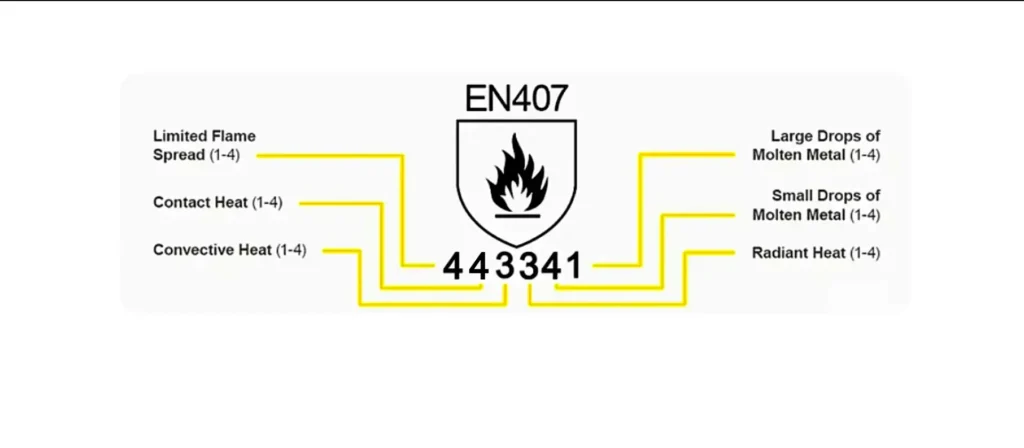
EN 407 evaluates protective gloves against thermal risks, including flame, contact heat, convective heat, radiant heat, small molten-metal splashes, and large quantities of molten metal.
An EN 407 rating does not provide one universal maximum temperature or prove unlimited safe handling. For welding applications, thermal performance should be interpreted with the welding-specific requirements of EN 12477 and the glove’s complete model-level test results.
Read our EN 407 heat-resistance standard guide for a detailed explanation of the performance code.
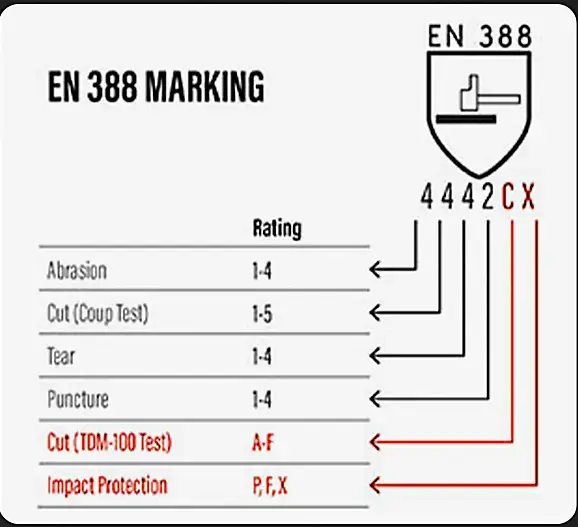
EN 388 measures mechanical protection against abrasion, blade cuts, tearing, punctures, and optional impact. These hazards are relevant when welders handle sharp plate, rough fabricated components, tools, slag, and abrasive metal surfaces.
EN 388 does not measure welding heat protection. It should therefore be assessed alongside the relevant thermal and welding-specific standards.
Exprt tip:
Learn how the ratings work in our EN 388 mechanical protection guide.
and
Learn our EN 388 vs EN 407 comparison.
ANSI/ISEA 105-2024 is a United States standard for classifying hand protection against workplace hazards, including properties such as cut, abrasion, puncture, and thermal performance.
ANSI/ISEA 105 ratings are not directly interchangeable with EN 388, EN 407, or EN 12477 ratings because the systems use different classifications and test requirements. Buyers should compare the exact hazard, test method, and performance level rather than assuming two rating systems are equivalent.
Welding gloves are designed for heat, sparks, welding spatter, flame exposure, and mechanical hazards, while general heat-resistant gloves may be intended only for handling hot surfaces. A glove can provide contact heat resistance and still be unsuitable for MIG, TIG, or Stick welding.
Welding gloves commonly use leather, reinforced seams, protective cuffs, and task-specific insulation. General heat-resistant work gloves may use silicone, fabric, coated materials, or aramid blends but may not provide sufficient resistance to molten-metal spatter, sharp metal edges, or welding-related abrasion.
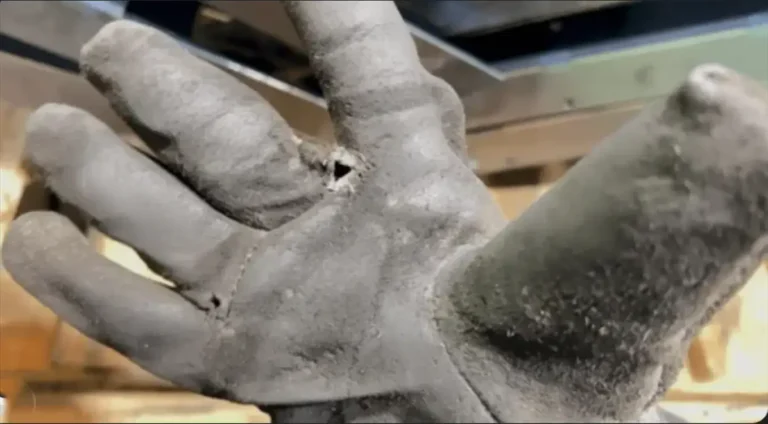
Welding gloves should be inspected before use and replaced when heat damage, holes, worn leather, failed seams, or reduced insulation could expose the hands.
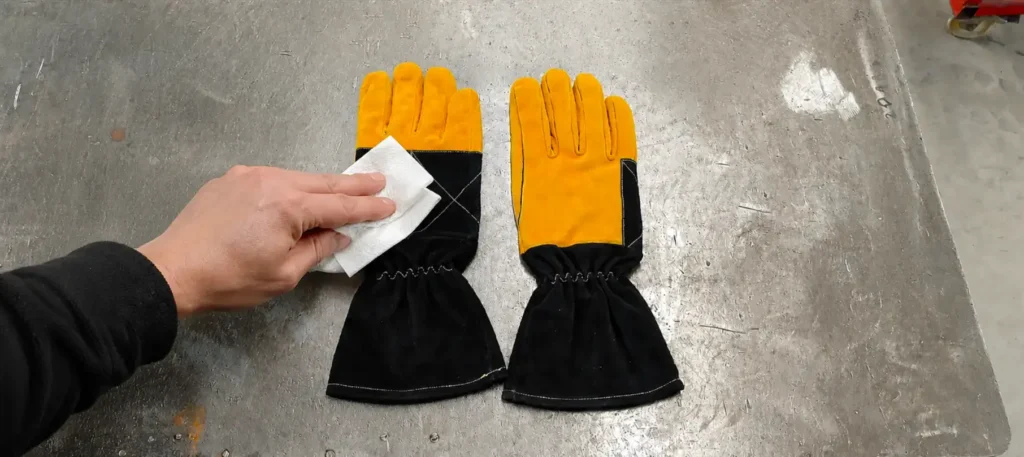
Proper welding glove care helps preserve heat resistance, grip, flexibility, and durability, but maintenance cannot restore damaged protective materials.
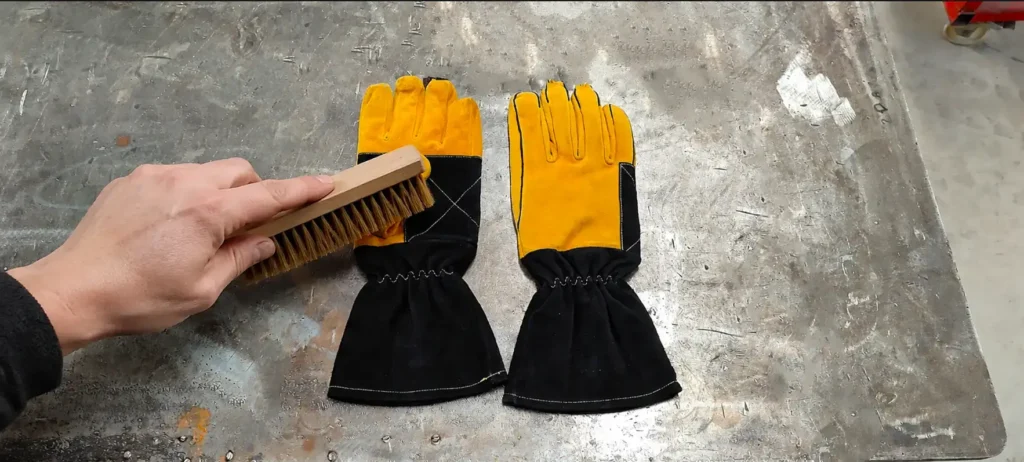
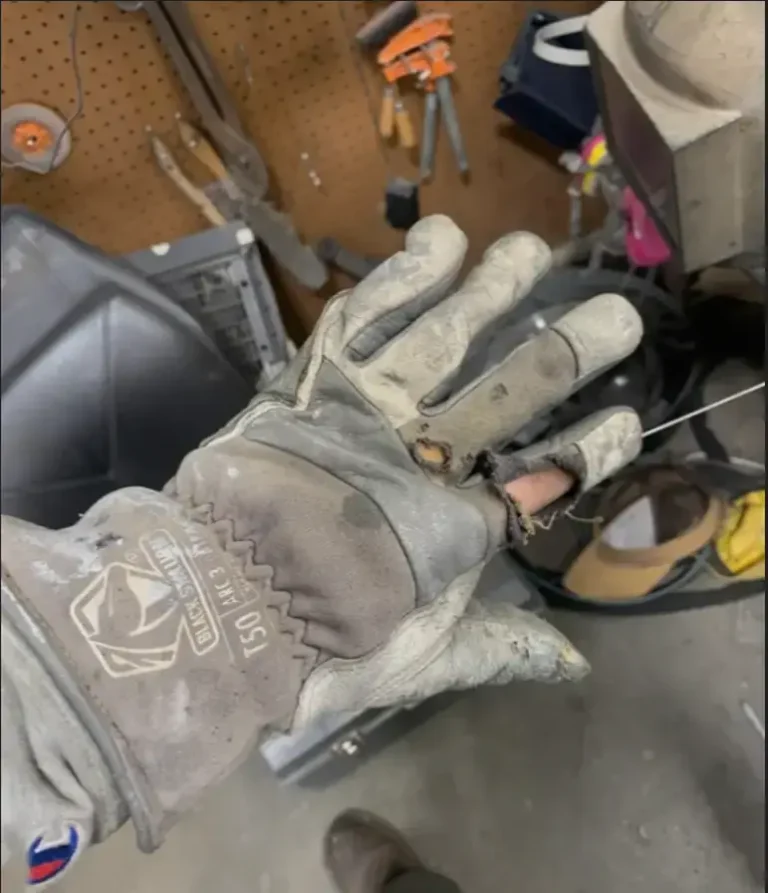
Expert tip:
There is no universal welding glove lifespan. Replacement frequency depends on the welding process, amperage, heat exposure, material quality, construction, maintenance, and frequency of use. Damaged high-heat welding gloves should be replaced immediately rather than repaired and returned to hazardous work.
ARASWELD welding gloves are designed for different combinations of heat resistance, dexterity, welding spatter, abrasion, impact, and industrial handling. The best welding gloves for a particular job are the model that matches the welding process, heat exposure, mechanical hazards, and required hand control.
ARASWELD TIG Precision Welding Gloves are designed for welders who need high dexterity, tactile sensitivity, and precise torch control. Their flexible premium-leather construction supports filler-rod handling, natural finger movement, and detailed welding without the unnecessary bulk of heavy-duty welding gloves.
ARASWELD High-Heat MIG and MAG Welding Gloves are designed for demanding work involving hot metal, welding sparks, radiant heat, and repeated spatter exposure. They combine 1.2 mm heat-resistant leather, thermal insulation, and reinforced aramid-sewn seams for high-temperature welding and industrial fabrication.
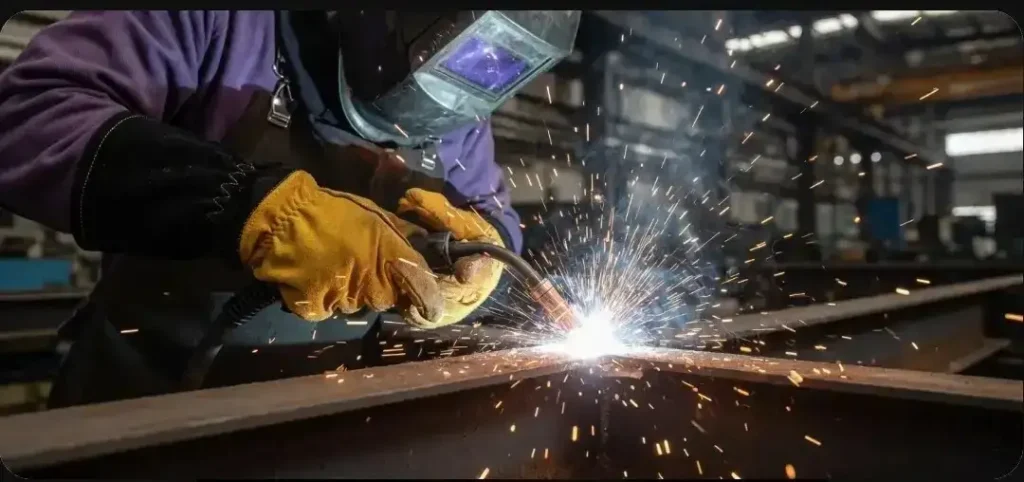
ARASWELD Impact and Abrasion-Resistant Welding Gloves are designed for industrial applications where workers face a combination of abrasion, cuts, punctures, impact, rough surfaces, and material-handling hazards.