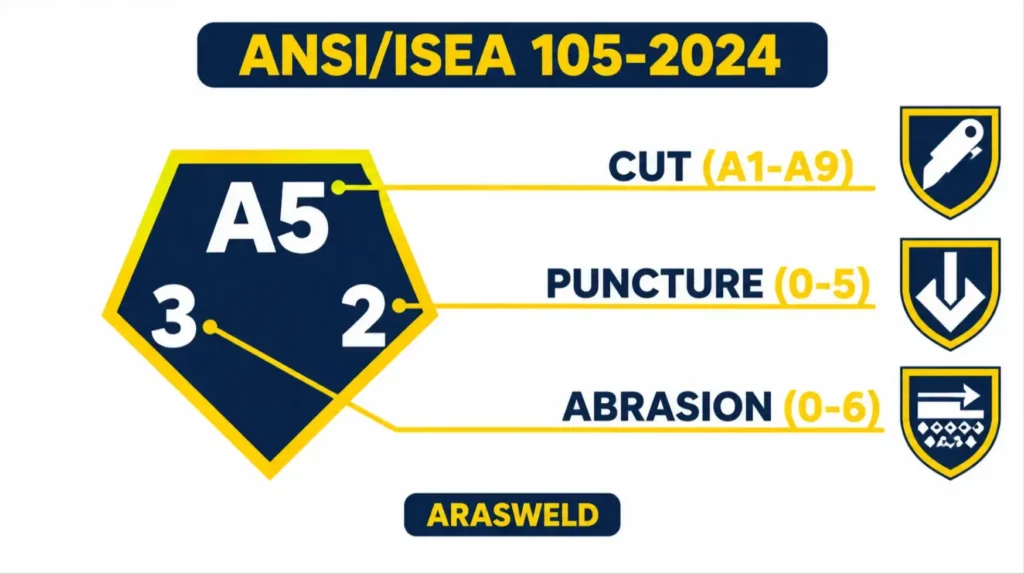
ANSI/ISEA 105 Hand Protection Ratings Explained
ANSI/ISEA 105 Hand Protection Ratings Explained: Testing, Levels, and Industrial Glove Selection ANSI/ISEA 105 is the US national voluntary consensus
My Professional Background I hold a Master’s degree in Physical Metallurgy from Amirkabir University of Technology and have more than 12 years of hands-on welding experience. My professional background spans several interconnected industrial disciplines, including metallurgy, steel manufacturing, engineering design, industrial fabrication, production supervision, quality control, and specialized welding. Throughout my career, I have developed a combination of academic knowledge and practical industrial experience that allows me to approach metalworking and welding from both a materials-science and a manufacturing perspective. I understand how material composition, microstructure, mechanical properties, manufacturing processes, and welding parameters can influence the quality, integrity, and performance of metal components. My practical welding experience includes all-position MIG, TIG, and Stick welding on carbon steel, stainless steel, and aluminum. I have also worked with specialized welding technologies, including electron beam welding in vacuum environments and plasma welding involving demanding industrial materials, particularly nickel and nickel-based alloys. My experience with advanced materials includes titanium and high-performance alloys such as Inconel, Monel, and Hastelloy. This multidisciplinary background has shaped my professional approach: I consider welding not simply a joining process, but a technical operation in which material behavior, process selection, workmanship, inspection, and quality control must work together to achieve reliable results. My Education Amirkabir University of Technology Degree: Master’s degree Field of Study: Physical Metallurgy Period: 2006–2012 My postgraduate education in Physical Metallurgy provided me with a strong foundation in the scientific principles governing metallic materials, including the relationships between chemical composition, microstructure, mechanical properties, and material performance. This knowledge has been directly relevant to my subsequent work in steel development, metallurgical testing, industrial manufacturing, quality control, and welding. Understanding how metals respond to processing conditions, temperature, and mechanical loading has helped me appreciate the technical considerations involved in material selection, fabrication, weld integrity, and the long-term performance of industrial components. My academic background continues to inform my practical approach to welding and my interest in the materials used in demanding industrial environments. My Experience in Metallurgy and Steel Manufacturing Golgohar Mining and Industrial Company Industry: Iron ore processing, concentrate production, and pelletizing Division: Processing, Pelletizing, and Direct Reduction Period: 2010–2012 At Golgohar Mining and Industrial Company, I worked in the field of iron-ore processing and pellet production, gaining experience in the relationship between raw-material characteristics, processing conditions, and the quality of materials used in downstream ironmaking operations. My work involved researching approaches to improve the mechanical and metallurgical quality of iron-ore pellets intended for subsequent ironmaking applications, including use in electric arc furnace operations. This experience strengthened my understanding of process metallurgy and the importance of controlling raw-material properties during industrial production. It also gave me a broader perspective on how the quality of starting materials can influence the efficiency and consistency of subsequent manufacturing processes. Mobarakeh Steel Company, Isfahan Industry: Integrated steel production and advanced steel manufacturing Period: 2012–2015 Areas of Work: Advanced Steel Development, Metallurgical Testing, Technical Inspection, and Quality Control At Mobarakeh Steel Company, one of Iran’s major steel producers, I gained experience in advanced steel development, laboratory testing, technical inspection, and production quality control. My responsibilities and areas of work covered several important aspects of steel manufacturing. Advanced steel development I worked on steel alloy formulation and development, including high-strength low-alloy (HSLA) steels and steel grades intended for demanding applications in industries such as automotive manufacturing, aerospace, and oil and gas pipeline construction. This work strengthened my understanding of the relationship between alloy composition, material properties, and the performance requirements associated with different industrial applications. Metallurgical and mechanical testing I gained experience with destructive testing methods and non-destructive testing (NDT) in laboratory environments to evaluate material properties, identify potential defects, and assess product quality. These activities reinforced the importance of technical evaluation in determining whether materials meet the requirements established for their intended applications. Technical inspection I was involved in examining steel products and assessing their quality against applicable technical specifications and requirements. This experience developed my appreciation for systematic inspection and the role it plays in maintaining product consistency and manufacturing reliability. Production quality control I worked on monitoring the quality of steel products from hot- and cold-rolling operations. This involved understanding production processes and the importance of maintaining appropriate quality controls throughout manufacturing. Together, these experiences gave me a stronger understanding of steel metallurgy, alloy development, testing methodologies, industrial inspection, and the quality requirements associated with large-scale steel production. My Experience in Engineering and Industrial Manufacturing Arak Machinery Manufacturing Industry: Heavy industrial engineering and equipment manufacturing Role: Design and Engineering At Arak Machinery Manufacturing, I worked in design and engineering activities associated with industrial equipment for the oil, gas, and petrochemical industries. The equipment associated with this work included pressure vessels, refinery distillation columns, reactors, heat exchangers, industrial boilers, and heavy forged components. Working in this environment broadened my understanding of the engineering and manufacturing considerations involved in producing complex industrial equipment. Such applications require careful attention to material selection, component design, fabrication processes, dimensional requirements, and structural integrity. This experience also strengthened the connection between my metallurgical background and my understanding of industrial engineering. It helped me appreciate how material properties and manufacturing decisions must align with the intended operating conditions and technical requirements of industrial equipment. Tunnel Saz Machine (TSM) Industry: Tunnel boring and specialized heavy machinery manufacturing Role: Shift Supervisor At Tunnel Saz Machine (TSM), I worked as a shift supervisor in an industrial machinery manufacturing environment. The company’s manufacturing activities included tunnel boring machines (TBMs), micro-tunnel boring machines (MTBMs), and vertical core drilling rigs (CDRs). My experience in this environment developed my understanding of production supervision, manufacturing operations, and the coordination required to produce complex machinery. Working in heavy machinery manufacturing also reinforced the importance of communication between production personnel, engineering teams, and quality-related functions. Consistent production depends not only on technical design, but also on effective operational coordination, process control, and attention to manufacturing requirements. This stage of my career added a valuable production-management dimension to my background in metallurgy, engineering, and industrial fabrication. My Professional Journey in Welding My professional journey across metallurgy, engineering, and manufacturing gradually developed into a strong focus on professional welding and its applications in demanding industrial environments. With more than 12 years of hands-on welding experience, I have worked with several welding processes, metallic materials, and manufacturing applications. My background in Physical Metallurgy has influenced the way I approach welding: I pay close attention to material characteristics, process requirements, joint quality, and the functional demands placed on the finished component. I view effective welding as a combination of technical knowledge, practical skill, appropriate process selection, and an understanding of how materials behave under manufacturing and service conditions. MAPNA Group — Mavadkaran Company Industry: Advanced industrial engineering and manufacturing Position: Professional Welder MAPNA Group is a major engineering and general contracting (EPC) organization in Iran, with activities across sectors including power generation, oil and gas, rail transportation, electrification, wind energy, and advanced industrial technologies. My work at Mavadkaran Company, within the MAPNA Group, involved specialized welding applications associated with advanced industrial manufacturing. My welding experience at this stage of my career included work with conventional welding processes and specialized technologies used for demanding materials and applications. MIG Welding I have hands-on experience with all-position MIG welding on carbon steel, stainless steel, and aluminum. This experience includes adapting my welding approach to different materials, joint configurations, and practical fabrication requirements. TIG Welding I have hands-on experience with all-position TIG welding on carbon steel, stainless steel, and aluminum. My experience with this process has contributed to my understanding of controlled welding operations and the importance of precision when working with different metallic materials. Stick Welding (Manual Metal Arc Welding) My experience includes manual electrode welding on steel, particularly carbon steel. This process has provided practical experience with a widely used welding method for industrial fabrication and repair work. Electron Beam Welding I have specialized experience with electron beam welding in vacuum environments, particularly when welding titanium. This process involves demanding technical requirements and a controlled operating environment, making an understanding of the material and the welding process especially important. Plasma Welding I have specialized experience with plasma welding on nickel and nickel-based alloys. Working with these materials has strengthened my understanding of the considerations associated with welding alloys used in demanding industrial applications. My broader materials experience includes titanium, nickel-based materials, and high-performance alloys such as Inconel, Monel, and Hastelloy. These alloy families are used in specialized environments where material performance under challenging operating conditions is an important consideration. My experience at MAPNA Group strengthened my practical knowledge of welding processes, advanced metallic materials, and the technical demands of specialized industrial manufacturing. Volta Motor Industry: Electric and gasoline motorcycle manufacturing Position: Professional Welder At Volta Motor, a manufacturer of electric and gasoline-powered motorcycles, I worked as a professional welder, using MIG and TIG welding on metal components. My work involved steel, carbon steel, and aluminum in a vehicle-manufacturing environment. This experience broadened my understanding of welding applications in vehicle production, where the suitability of a welding process, component quality, fabrication consistency, and the requirements of the finished assembly are all important considerations. Working across different industrial settings has allowed me to see how welding requirements vary according to the materials, components, and intended applications involved. My Technical Areas of Expertise My professional expertise brings together metallurgy, welding, industrial engineering, manufacturing, testing, and quality control. These disciplines form the technical foundation of my approach to welding and materials-related applications. Metallurgy and Materials Science Physical metallurgy and the relationship between material composition, microstructure, and mechanical properties Advanced steel development and alloy formulation Carbon steel, stainless steel, and aluminum Titanium and nickel-based alloys High-performance alloys, including Inconel, Monel, and Hastelloy Materials evaluation and the relationship between material properties and industrial performance Welding Processes All-position MIG welding on carbon steel, stainless steel, and aluminum All-position TIG welding on carbon steel, stainless steel, and aluminum Stick welding, also known as manual metal arc welding Electron beam welding in vacuum environments, particularly involving titanium Plasma welding involving nickel and nickel-based alloys Welding process considerations for different metallic materials and industrial applications Industrial Engineering and Manufacturing Industrial design and engineering Industrial fabrication and manufacturing operations Equipment associated with pressure vessels, heat exchangers, reactors, and distillation columns Heavy machinery manufacturing Production supervision and shift operations Manufacturing coordination and process-related requirements Testing, Inspection, and Quality Control Metallurgical and mechanical laboratory testing Destructive testing and non-destructive testing (NDT) Technical inspection of industrial products Production quality control Quality assessment of materials and manufactured products Evaluation of product conformity with applicable technical requirements This combination of technical disciplines gives me a broad perspective on the factors that influence material selection, welding quality, manufacturing reliability, and the suitability of industrial products for their intended applications. Why I Founded ARASWELD I founded ARASWELD to bring together my practical welding experience, academic background in Physical Metallurgy, and interest in professional welding safety. ARASWELD focuses on specialized welding gloves, practical welding-safety information, and technical resources designed to help welders, industrial buyers, businesses, and welding schools make better-informed decisions about protective equipment. My background in metallurgy and welding has strongly influenced how I evaluate welding gloves. I understand that selecting appropriate hand protection involves considerably more than choosing a product based on appearance or price. The welding process, working environment, exposure to heat and sparks, contact with hot materials, glove construction, fit, dexterity, durability, and required level of protection can all affect whether a glove is suitable for a particular application. Different welding processes and working conditions create different demands on protective equipment. A glove suitable for one task may not be the most appropriate choice for another. Consequently, understanding the relationship between the working environment, the properties of the glove materials, and the intended application is an important part of making an informed selection. At ARASWELD, I aim to apply my technical knowledge and hands-on experience to make these considerations easier to understand. My goal is to provide practical, technically grounded information about welding gloves, protective materials, welding applications, relevant safety standards, and the factors that influence product suitability. I also recognize the importance of helping industrial buyers and procurement professionals evaluate welding gloves beyond basic product descriptions. Material selection, construction, intended use, documented protective performance, quality consistency, and application requirements all deserve careful consideration when selecting protective equipment for individual welders or large industrial operations. Through ARASWELD, I aim to connect practical welding knowledge with clear technical guidance, helping professionals understand the products they use and the considerations that should inform their purchasing decisions. Ultimately, my objective is to make reliable, practical, and accessible information available to the welding community while providing specialized welding gloves that address the needs of professional users and industrial buyers. ARASWELD represents the combination of my experience in metallurgy, industrial manufacturing, and professional welding, applied to a focused mission: supporting informed decisions about welding gloves, materials, and hand protection through practical knowledge and technically grounded guidance.

ANSI/ISEA 105 Hand Protection Ratings Explained: Testing, Levels, and Industrial Glove Selection ANSI/ISEA 105 is the US national voluntary consensus

EN ISO 21420 Explained: General Requirements for Protective Gloves EN ISO 21420:2020+A1:2024 specifies general requirements and test methods for protective-glove
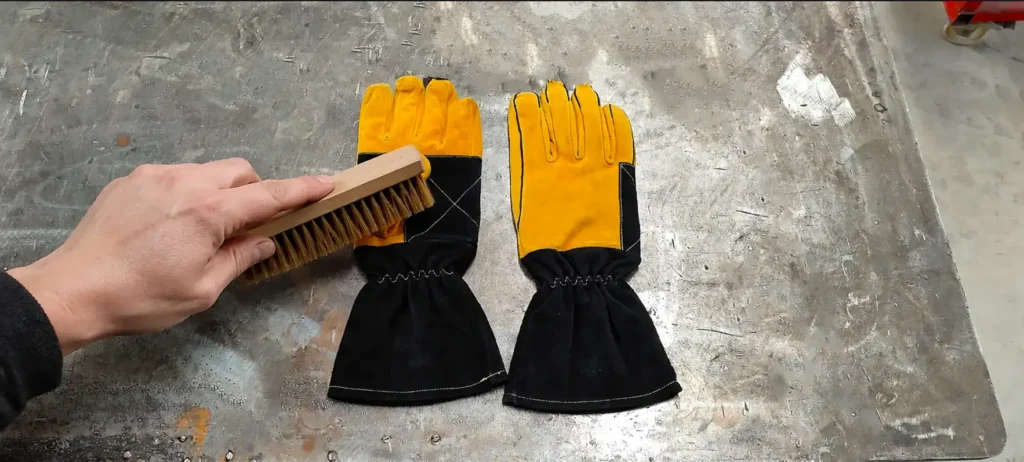
How to Clean and Maintain Leather Welding Gloves Safely Every welding session leaves something behind on your gloves — weld
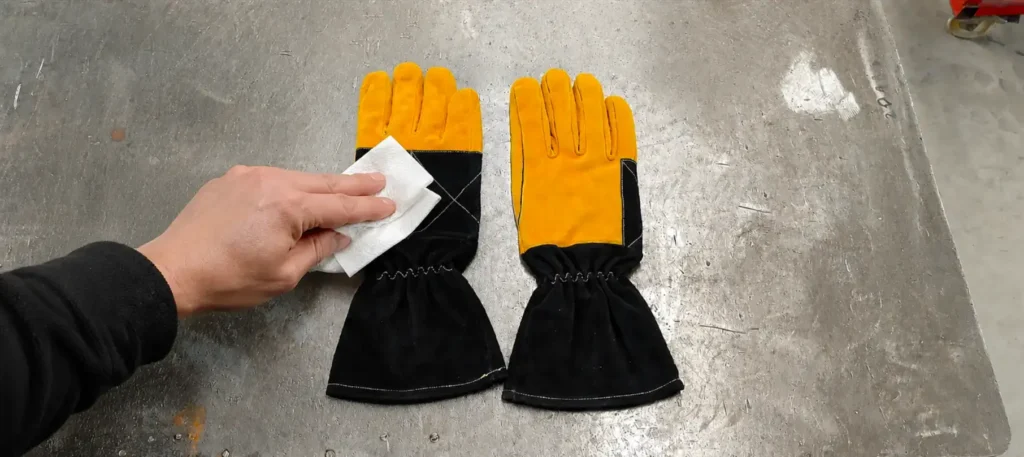
How Long Do Welding Gloves Last? Inspection and Replacement Guide Welding gloves do not have a fixed lifespan. A pair
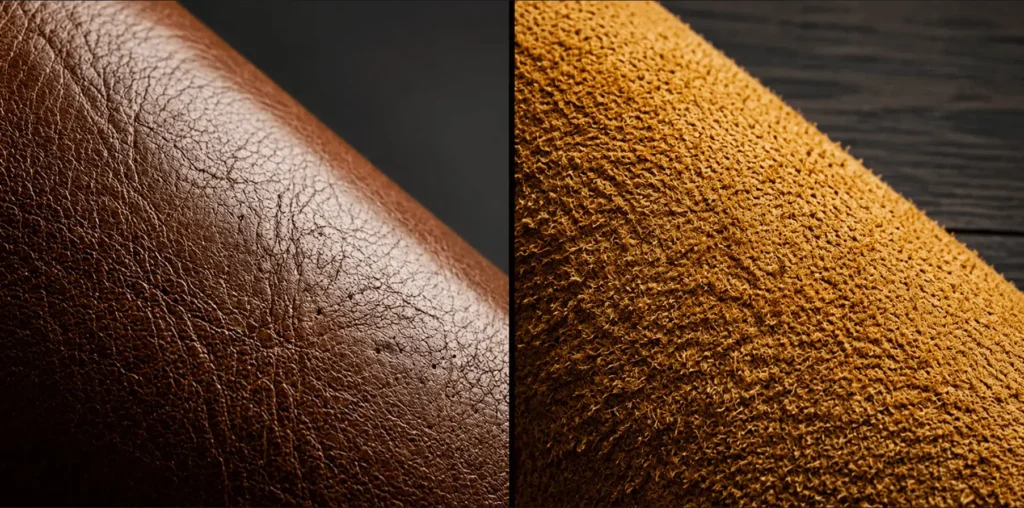
Split Leather vs Grain Leather Welding Gloves: What Is the Difference? Choosing the right leather welding gloves often comes down
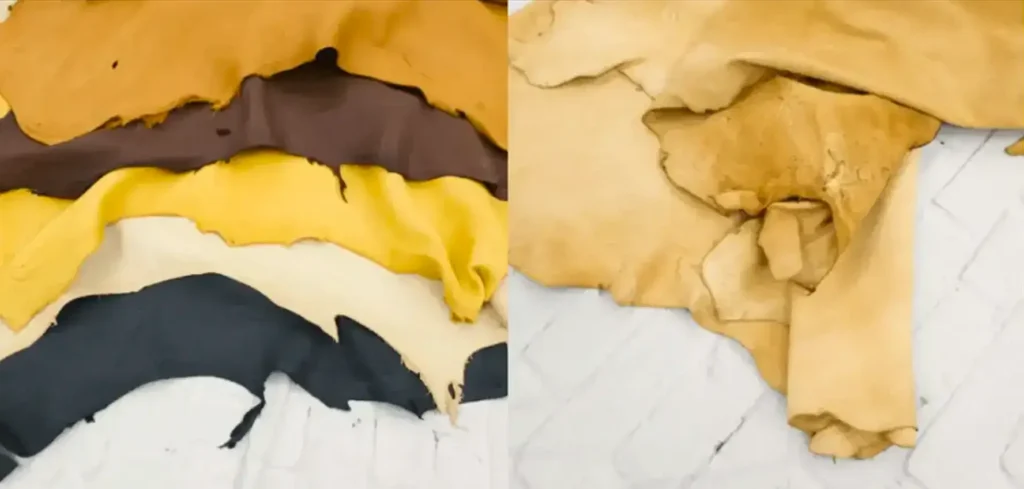
Cowhide vs Goatskin Welding Gloves: Heat, Dexterity and Durability Compared Cowhide welding gloves are generally preferred for heavier-duty welding, rough
Welding Glove Materials: Cowhide, Goatskin, Deerskin, Elkskin and Aramid Explained Natural leather hides vary in colour, surface, thickness and usable
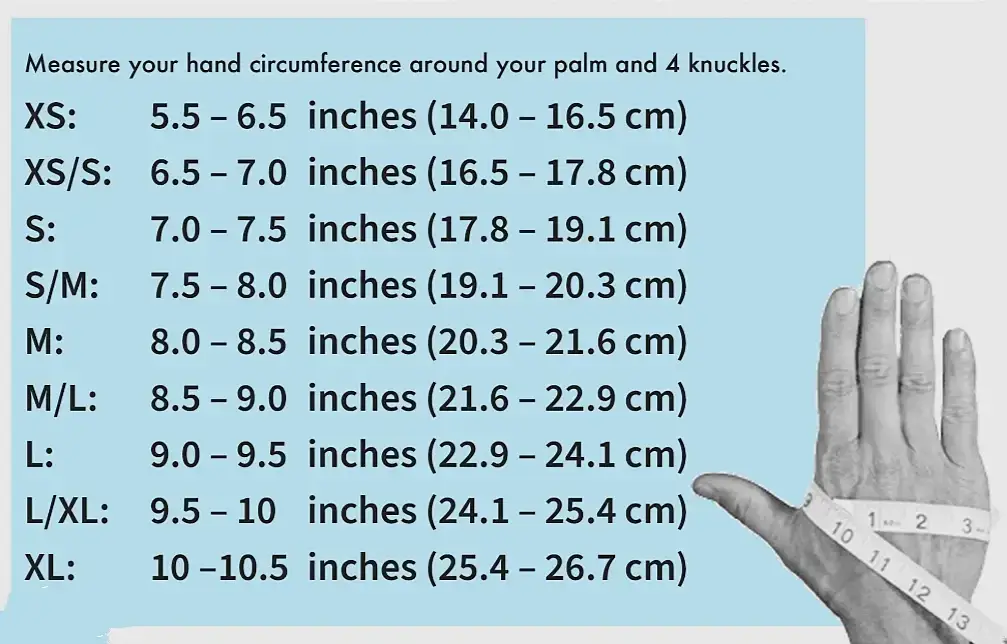
Welding Gloves Size Guide: How to Measure Your Hand and Choose the Right Fit This welding gloves size guide explains
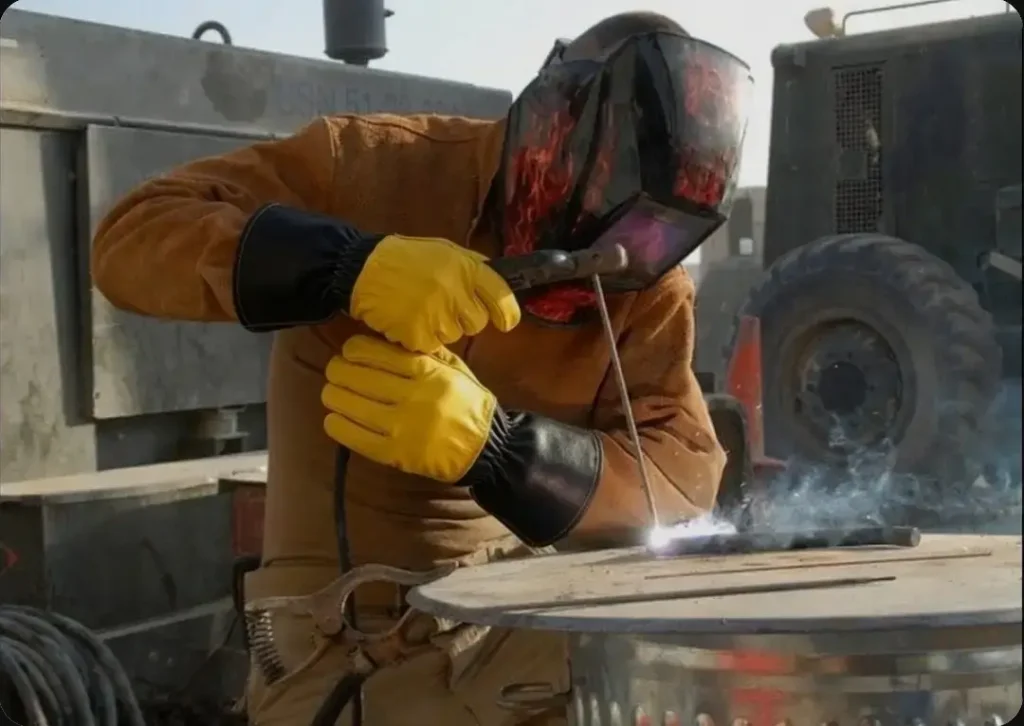
Stick Welding Gloves: Heat, Slag, Spatter and Heavy-Duty Protection Stick welding gloves are built for the demanding heat, sparks, molten
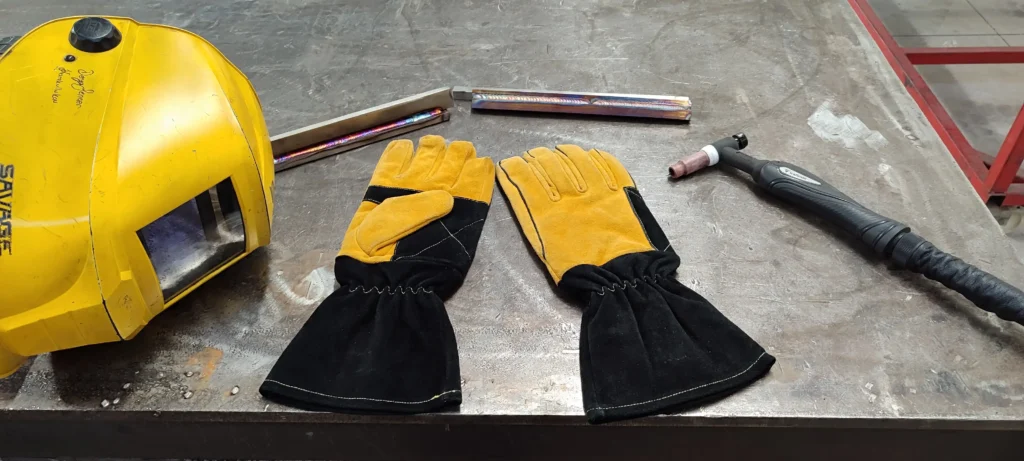
TIG Welding Gloves: Complete Guide to Dexterity, Materials and Fit TIG welding gloves are designed for the precise hand control