What Is EN 12477? Welding Gloves Standard, Type A vs Type B, Testing Requirements and Certification
EN 12477 is the European standard for protective gloves used in manual metal welding, cutting and related processes. It sets requirements for hand and wrist protection against mechanical risks, limited flame exposure, contact and convective heat, small molten-metal splashes and welding-arc UV radiation. EN 12477 welding gloves are classified as Type A or Type B according to the balance between protection and task-specific dexterity.
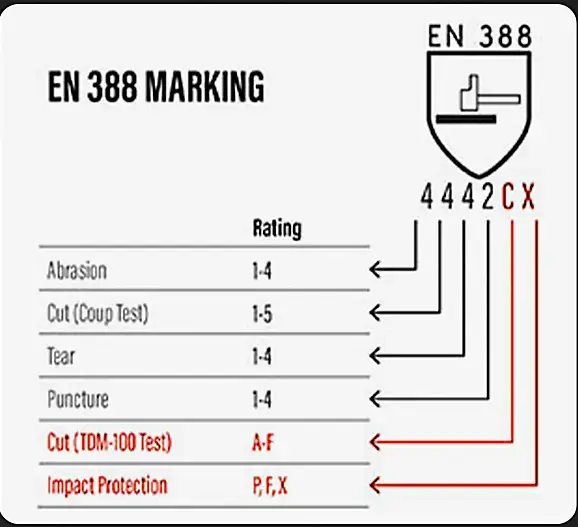
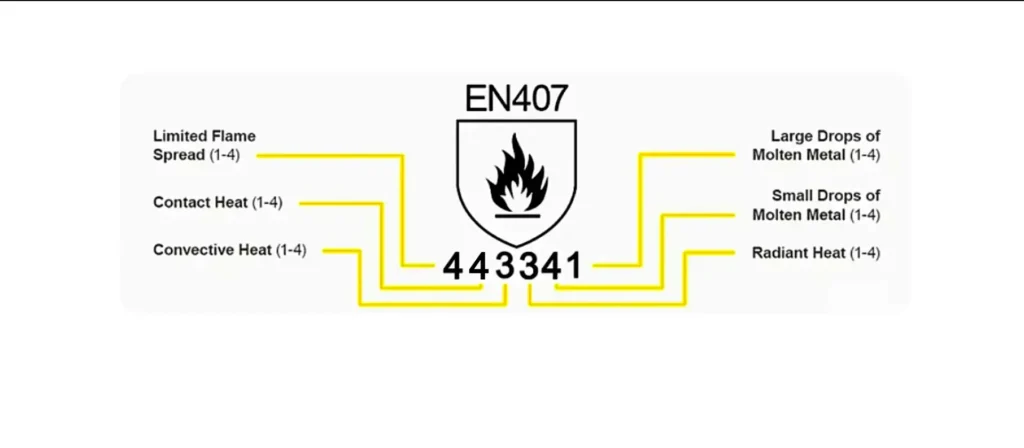
Because EN 12477 combines mechanical and thermal performance requirements, understanding how EN 388 and EN 407 evaluate different glove hazards helps welders, safety managers and industrial buyers interpret the complete rating system rather than relying on a single marking.
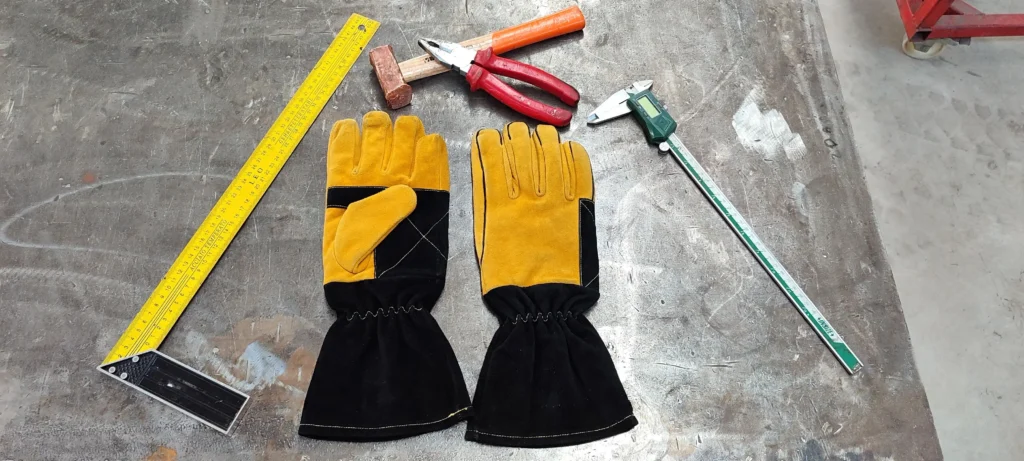
EN 12477 at a Glance
- Standard
- EN 12477:2001+A1:2005
- Product scope
- Protective gloves for welders
- Classifications
- Type A prioritizes higher protection, while Type B prioritizes higher dexterity.
- Related standards
- EN 388 for mechanical risks, EN 407 for thermal risks, and applicable general protective-glove requirements.
- Main purpose
- Balance welding protection with the dexterity required for the specific welding task.
| Item | Key information |
|---|---|
| Official title | Protective gloves for welders |
| Standard designation | EN 12477:2001+A1:2005 |
| Main applications | Manual metal welding, cutting and related processes |
| Main classifications | Type A for higher minimum protective performance and Type B for higher minimum dexterity |
| Main hazards addressed | Mechanical risks, limited flame exposure, contact and convective heat, small molten-metal splashes and welding-arc UV radiation |
| Related standards | EN 388 for mechanical risks, EN 407 for thermal risks and applicable general protective-glove requirements, currently addressed through EN ISO 21420 |
| Certification context | PPE conformity assessment under Regulation (EU) 2016/425 and supporting CE documentation for products placed on the EU market |
| Intended readers | Welders, safety managers, PPE buyers, procurement teams, distributors, manufacturers and certification professionals |
In summary: EN 12477 is the welding-specific standard for protective gloves for welders. It classifies gloves as Type A or Type B and combines mechanical, thermal, dexterity, design and marking requirements. Buyers should verify the exact glove model, classification and supporting conformity documents rather than relying only on a printed standard number or pictogram.
What Is EN 12477?
EN 12477 Definition and Official Title
EN 12477 is the European product standard titled “Protective gloves for welders.” It establishes testable requirements for gloves used in manual metal welding, cutting and allied processes. Unlike a general safety recommendation, a product standard defines performance, design, sizing, marking and test requirements against which an identified glove can be assessed. It is therefore commonly known as the EN 12477 welding glove standard.
For the published standard listing and current status, see BSI’s BS EN 12477:2001 — Protective gloves for welders.
The correct designation is EN 12477, although searches may also use EN12477, EN 12477 standard or EN 12477 welding gloves. These spellings refer to the same standard.
What Products and Work Does EN 12477 Cover?
EN 12477 covers protective gloves designed for manual metal welding, welding-related cutting and allied processes. Its purpose is to protect the hands and wrists during welding and related work. The assessment addresses relevant mechanical risks, limited flame exposure, contact and convective heat, small molten-metal splashes and ultraviolet radiation from the welding arc.
The standard applies to gloves, not the worker’s complete PPE system. Welders may still require a suitable helmet, eye and face protection, protective clothing, safety footwear, respiratory protection or other task-specific controls. Gloves for specialized welding processes may require additional assessment.
What Is the Current EN 12477 Edition?
The published European standard is EN 12477:2001, together with Amendment A1:2005. The combined reference is commonly written as EN 12477:2001+A1:2005 or EN 12477:2001/A1:2005. National standards bodies may adopt the same European text under designations such as BS EN 12477:2001, so publication years and notation can differ between national documents.
BSI currently lists BS EN 12477:2001 as current and under review. A draft revision has circulated as prEN 12477, but a draft does not replace the published edition. Certificates, test reports and declarations should be interpreted according to the exact edition stated in each document.
Technical note: A draft revision does not replace the published EN 12477 edition merely because it has been circulated for review. This page should be updated only when a revised standard is formally published and becomes applicable.
Who Needs to Understand EN 12477?
EN 12477 is relevant to welders, welding supervisors, safety managers, PPE buyers, procurement managers, distributors, manufacturers, importers, certification professionals and industrial employers responsible for selecting, specifying, verifying or supplying protective gloves for welders.
What Risks Does EN 12477 Cover?
EN 12477 addresses the combined thermal and mechanical hazards encountered during manual welding, cutting and related hot work. It covers limited flame exposure, contact and convective heat, small molten-metal splashes, mechanical risks and welding-arc ultraviolet radiation. However, an EN 12477 classification does not make a glove universally suitable for every welding process, amperage, exposure duration or workplace environment.
Thermal Hazards
Limited Flame Exposure
EN 12477 evaluates how the glove behaves during short contact with a limited flame, including whether burning or glowing continues after the ignition source is removed. This is a controlled performance assessment, not proof that the glove is fireproof or suitable for prolonged flame exposure. The thermal requirements use relevant test areas associated with the EN 407 thermal-risk standard.
Contact Heat
Contact heat is heat transferred when the glove directly touches a hot surface or object. Laboratory testing measures thermal transfer under controlled conditions. A declared performance level must not be interpreted as an unlimited safe-contact time because actual protection is affected by temperature, exposure duration, glove condition and material construction. For further explanation, see how heat-resistant welding gloves are evaluated and selected.
Convective Heat
Convective heat is transferred through hot gases or heated air moving around the glove. It is relevant near welding arcs, flames, heated workpieces and other hot-work environments where the hand may be exposed without directly touching the heat source.
Small Molten-Metal Splashes
EN 12477 addresses small droplets of molten metal, commonly experienced as welding spatter. This must not be confused with resistance to large quantities of molten metal, which is a separate EN 407 test area and may not be required or achieved by an EN 12477 welding glove.
Mechanical Hazards
The standard also addresses abrasion, blade-cut, tear and puncture resistance using relevant mechanical test methods. These hazards can arise when handling rough plate, wire, tools, fabricated components and sharp metal edges. The results should be interpreted through the EN 388 mechanical-risk standard none of these ratings means that a glove is wear-proof, cut-proof, tear-proof or puncture-proof.
Ultraviolet Radiation from the Welding Arc
The glove’s materials, construction and coverage help shield the hands from ultraviolet radiation produced by the welding arc. This hand protection does not replace an approved welding helmet, eye and face protection or suitable protective clothing.
Hand and Wrist Protection
EN 12477 applies to protection of both the hand and wrist. The glove body, cuff or gauntlet, overall length and compatibility with protective clothing all matter. A gap between the cuff and sleeve can leave skin exposed to sparks, radiation and hot particles.
Limited Electrical Resistance
Amendment A1:2005 introduced limited electrical-resistance provisions associated with normal arc-welding conditions. Moisture, sweat, contamination, wear or physical damage may reduce this resistance. EN 12477 gloves are not electrically insulating gloves for live work; EN/IEC 60903 applies to electrical insulating gloves designed to protect workers against electric shock.
Technical note: EN 12477 welding gloves must not be described as electric-shock-proof. They are not a substitute for electrically insulating gloves intended for live electrical work.
Hazards Covered by EN 12477 Welding Gloves
| Hazard | What is evaluated | Related test area | Important limitation |
|---|---|---|---|
| Limited flame | Burning and glowing behaviour after short flame exposure | EN 407 thermal testing | Does not mean the glove is fireproof |
| Contact heat | Heat transfer during direct contact with a hot surface | EN 407 thermal testing | Does not provide unlimited safe-contact time |
| Convective heat | Heat transferred through hot gases or heated air | EN 407 thermal testing | Protection depends on the achieved performance level |
| Molten-metal splashes | Resistance to small welding-spatter droplets | EN 407 thermal testing | Does not necessarily cover large quantities of molten metal |
| Abrasion | Resistance to surface wear caused by rubbing | EN 388 mechanical testing | Does not predict the glove’s complete service life |
| Blade cut | Resistance to contact with a test blade | EN 388 mechanical testing | Does not mean the glove is cut-proof |
| Tear | Resistance to the propagation of an existing tear | EN 388 mechanical testing | Damaged gloves must still be inspected and replaced |
| Puncture | Resistance to penetration by a standardized test probe | EN 388 mechanical testing | Does not establish protection against needles |
| Welding-arc UV | Hand and wrist shielding provided by glove materials and coverage | EN 12477 construction and coverage | Does not replace eye, face or body protection |
| Electrical exposure | Limited electrical resistance under specified arc-welding conditions | EN 12477 A1 amendment | Not intended for live electrical work |
In summary: EN 12477 welding gloves are assessed for a combination of thermal hazards, mechanical hazards, welding-spatter exposure, arc-related UV coverage and limited electrical resistance. Certification indicates tested performance under defined conditions; it does not mean a glove is fireproof, cut-proof, electrically insulating or suitable for every welding task.
EN 12477 Type A and Type B Welding Gloves
EN 12477 Type A gloves prioritize higher minimum thermal and mechanical protection, while Type B gloves prioritize higher dexterity with lower minimum requirements in certain protective tests. Neither classification is automatically better. The correct choice depends on the welding process, heat and spatter exposure, required hand control, material-handling hazards and the workplace risk assessment.
What Are EN 12477 Type A Welding Gloves?
EN 12477 Type A welding gloves are designed for welding and cutting tasks where higher protective performance is the main priority. Compared with Type B, Type A requires higher minimum results for abrasion, tear, puncture, burning behaviour, convective heat and small molten-metal splash resistance. Its minimum dexterity requirement is lower because the classification favors protection over fine hand movement.
Type A welding gloves are commonly associated with:
- MIG/MAG welding
- Stick/SMAW welding
- Flux-cored arc welding
- General welding and cutting
- Heavy fabrication
- Higher-spatter operations
- Handling rough plate, components and hot workpieces
This is why EN12477 Type A is frequently considered when buyers research a MIG welding gloves standard, Stick welding gloves standard, heavy-duty welding gloves or high-protection welding gloves. However, Type A does not guarantee that every glove will suit every high-heat or high-amperage task. The complete EN 388 and EN 407 performance levels, glove construction and intended-use information must also be reviewed.
What Are EN 12477 Type B Welding Gloves?
EN 12477 Type B welding gloves are intended for tasks requiring greater dexterity and precise hand control. Type B has a higher minimum dexterity requirement but lower minimum thresholds in several mechanical and thermal categories. This balance can support accurate torch positioning, fine filler-rod control and handling of smaller components.
Type B welding gloves are commonly associated with:
- TIG/GTAW welding
- Precision welding
- Fine filler-rod and torch control
- Thin-material fabrication
- Lower-spatter applications
- Tasks requiring tactile feedback
For this reason, EN12477 Type B frequently appears in searches for a TIG welding gloves standard, precision welding gloves and high-dexterity welding gloves. Type B does not mean that the glove lacks protection; it means its required performance balance gives greater priority to dexterity.
For a broader process-based comparison, see the differences between MIG, TIG and Stick welding gloves.
Type A vs Type B: Which Is Better?
Neither Type A nor Type B is universally better. Type A is not a premium grade above Type B, and Type B is not a lower-quality classification. They address different combinations of protection and dexterity:
- Choose a protection-led direction when heat, spatter, abrasion and heavy material handling are the dominant risks.
- Choose a dexterity-led direction when precise torch, electrode or filler-rod control is essential.
- Do not select gloves based only on the name of the welding process.
Amperage, arc-on time, heat input, welding position, spatter level, workpiece temperature, sharp edges, glove fit and environmental conditions can all affect the appropriate selection. The final decision should follow a documented hazard assessment and review of the glove’s complete certified performance. For a practical selection process, see how to choose welding gloves for the task and hazard.
Technical note: Type A and Type B are functional EN 12477 classifications—not first- and second-quality grades. SATRA describes Type A as suitable for general welding and cutting where higher protection is required, while Type B is intended for work requiring greater dexterity, such as TIG welding.
EN 12477 Type A vs Type B Welding Gloves
| Selection factor | Type A | Type B |
|---|---|---|
| Primary priority | Higher minimum protective performance | Higher minimum dexterity |
| Mechanical minimums | Higher in several mechanical test areas | Lower in several mechanical test areas |
| Thermal minimums | Higher in several thermal test areas | Lower or not specified in certain test areas |
| Dexterity requirement | Lower minimum dexterity requirement | Higher minimum dexterity requirement |
| Typical construction direction | Often more protective or substantial, depending on the certified design | Often more flexible, depending on the certified design |
| Common process association | MIG, MAG, Stick, SMAW, FCAW and cutting | TIG, GTAW and precision welding |
| Spatter environment | Commonly considered for heavier-spatter work | Commonly considered for lower-spatter precision work |
| Fine filler-rod control | Generally more limited | Generally greater |
| Main advantage | Higher minimum protection and suitability for more demanding exposure | Precision, tactile control and fine-handling capability |
| Main trade-off | May reduce fine dexterity | Has lower minimum protection in certain test areas |
In summary: EN 12477 Type A welding gloves prioritize higher minimum thermal and mechanical protection, while Type B welding gloves prioritize higher dexterity for precision work. Type A is commonly associated with MIG, MAG, Stick, FCAW and cutting; Type B is commonly associated with TIG and fine filler-rod control. The correct classification depends on the complete workplace hazard assessment, not the welding process name alone.
EN 12477 Minimum Performance Requirements
EN 12477 sets minimum mechanical, thermal, dexterity and length requirements for protective gloves for welders. Type A welding gloves must achieve higher minimum protection in several test areas, while Type B welding gloves must achieve a higher dexterity level. These thresholds are entry requirements for classification—not the highest performance a certified glove may achieve.
Mechanical Performance Requirements
The EN 12477 mechanical requirements use the four traditional test positions associated with the EN 388 mechanical-risk standard:
- Abrasion resistance: resistance to surface wear caused by repeated rubbing.
- Blade-cut resistance: resistance to a rotating test blade under controlled conditions.
- Tear resistance: the force required to continue tearing the glove material.
- Puncture resistance: resistance to penetration by a standardized test probe.
The minimum four-position mechanical codes are:
- Type A: 2-1-2-2
- Type B: 1-1-1-1
This means Type A has higher minimum requirements for abrasion, tear and puncture resistance, while both classifications require at least blade-cut Level 1. These codes show minimum eligibility for EN 12477 classification; a glove may achieve higher mechanical performance levels.
Modern EN 388 reports may also include an ISO 13997 cut-resistance letter from A to F and, where applicable, an optional P for impact protection. These additional positions are part of the current EN 388 marking system and should not be confused with the original four-position EN 12477 mechanical minimums. For a complete explanation, see how to read EN 388 performance levels and markings. EN 388 covers abrasion, blade cut, tear, puncture and optional impact testing.
Thermal Performance Requirements
EN 12477 also establishes minimum thermal requirements using test areas associated with EN 407:
- Burning behaviour
- Contact heat resistance
- Convective heat resistance
- Resistance to small molten-metal splashes
Type A requires higher minimum performance for burning behaviour, convective heat and small molten-metal splashes. Both Type A and Type B require contact-heat Level 1, corresponding in the published EN 12477 table to testing at a contact temperature of 100°C. Type B has no stated EN 12477 minimum for convective heat.
A complete EN 407 report may also contain results for radiant heat and large quantities of molten metal because EN 407 uses a broader six-position thermal rating. However, EN 12477 does not establish the same Type A or Type B minimum thresholds for those two test areas. Their appearance on an EN 407 report does not mean that EN 12477 independently requires a particular level.
For the full thermal code, see how the EN 407 heat and flame performance levels are tested.
| Requirement | Referenced standard | Type A minimum | Type B minimum |
|---|---|---|---|
| Abrasion resistance | EN 388 | Level 2 500 cycles | Level 1 100 cycles |
| Blade-cut resistance | EN 388 | Level 1 Cut index 1.2 | Level 1 Cut index 1.2 |
| Tear resistance | EN 388 | Level 2 25 N | Level 1 10 N |
| Puncture resistance | EN 388 | Level 2 60 N | Level 1 20 N |
| Burning behaviour | EN 407 | Level 3 | Level 2 |
| Contact heat resistance | EN 407 | Level 1 Contact temperature: 100°C | Level 1 Contact temperature: 100°C |
| Convective heat resistance | EN 407 | Level 2 HTI ≥ 7 seconds | No EN 12477 minimum specified |
| Small molten-metal splashes | EN 407 | Level 3 25 droplets | Level 2 15 droplets |
| Dexterity | General protective-glove assessment | Level 1 Smallest pin diameter: 11 mm | Level 4 Smallest pin diameter: 6.5 mm |
In summary: EN 12477 Type A welding gloves must meet higher minimum requirements for abrasion, tear, puncture, burning behaviour, convective heat and small molten-metal splashes. Type B welding gloves require higher dexterity but have lower minimum protection in several categories. Both types require blade-cut Level 1 and contact-heat Level 1.
Technical note: Minimum classification does not equal the glove’s complete result. A glove may achieve performance above the EN 12477 thresholds. Buyers should take the full EN 388 and EN 407 codes from the certificate, laboratory reports and manufacturer documentation for the exact glove model.
Dexterity Requirements
Glove dexterity is the ability to pick up, hold and manipulate small objects while wearing the glove. EN 12477 requires minimum dexterity Level 1 for Type A and Level 4 for Type B, reflecting the different balance between protection and precision.
Dexterity can be affected by:
- Glove and leather thickness
- Thermal lining
- Seam location
- Finger and thumb design
- Material flexibility
- Glove size and fit
A laboratory dexterity level does not guarantee identical comfort or control for every worker. Real-world suitability should also be assessed through fit checks and wearer trials. ISO guidance notes that glove flexibility, grip, tactile sensitivity, seams and fit can affect practical performance.
The original EN 12477 text references the general glove requirements used at the time. The current general protective-glove standard is EN ISO 21420, which addresses design, construction, comfort, efficiency, marking and manufacturer information.
Minimum Welding-Glove Length
EN 12477 specifies a minimum glove length for each hand size to support coverage of the hand and wrist. The minimum rises from 300 mm for size 6 to 350 mm for size 11.A description such as “14-inch welding glove” is useful for general product communication, but it should not replace actual size-specific measurements. Manufacturers, buyers and certification professionals should confirm that every supplied size meets the applicable minimum length.
| Glove size | Minimum glove length |
|---|---|
| 6 | 300 mm |
| 7 | 310 mm |
| 8 | 320 mm |
| 9 | 330 mm |
| 10 | 340 mm |
| 11 | 350 mm |
In summary: EN 12477 requires minimum welding-glove lengths of 300 mm to 350 mm for hand sizes 6 to 11. The required length increases with glove size to help maintain suitable coverage of the hand and wrist. A nominal description such as “14-inch glove” should be checked against the actual measurement of every certified size.
How to Interpret X, 0 and P
When reading modern protective-glove performance markings:
- X means the test was not performed or the method was not applicable to that performance position.
- 0 means the product was tested but did not reach the minimum threshold for Level 1, where the relevant standard uses Level 0.
- P means the optional EN 388 impact-protection requirement was tested and achieved.
- No appended P means impact protection was not achieved, not tested or not declared.
The letter F is the highest ISO 13997 cut-resistance level. It is not an impact result. ISO guidance confirms that P is added only when the optional impact requirement is successfully achieved.
Technical note: P is the only positive optional EN 388 impact character. F is an ISO 13997 cut-resistance level, while X indicates an untested or inapplicable performance position. Neither F nor X should be presented as an achieved impact classification.
How EN 12477 Works with EN 388, EN 407 and Other Standards
EN 12477 is the welding-specific product standard, but it uses related glove standards and test methods to assess mechanical performance, thermal performance, general glove characteristics and limited electrical resistance. EN 388, EN 407 and EN ISO 21420 provide supporting requirements or performance information; none independently replaces the complete EN 12477 welding glove standard.
EN 12477 and EN 388 Mechanical Risks
EN 388 evaluates protective gloves against mechanical risks. Its current performance marking can include:
- Abrasion resistance
- Blade-cut resistance
- Tear resistance
- Puncture resistance
- ISO 13997 cut resistance, expressed by a letter from A to F
- Optional impact protection, identified by an appended P when achieved
EN 12477 uses minimum results from the traditional abrasion, blade-cut, tear and puncture tests to help classify welding gloves as Type A or Type B. Current EN 388 reports may also display the ISO 13997 cut letter and optional impact result, even though these additional positions are not part of the original four-position EN 12477 minimum code.
An EN 388 rating alone does not establish EN 12477 certification. It evaluates mechanical performance but does not by itself cover the welding-specific thermal, dexterity, length, marking and electrical-resistance requirements. See the differences between EN 388 and EN 407 glove ratings for a direct comparison of the two performance systems. EN 388 currently covers abrasion, blade cut, tear, puncture and optional impact testing.
EN 12477 and EN 407 Thermal Risks
EN 407 evaluates protective gloves and other hand protection against heat and fire-related risks. Its six thermal performance areas are:
- Limited flame spread
- Contact heat
- Convective heat
- Radiant heat
- Small molten-metal splashes
- Large quantities of molten metal
EN 12477 sets Type A and Type B minimums for selected EN 407 performance areas, including burning behaviour, contact heat, convective heat and small molten-metal splashes. A complete modern EN 407 report may also show radiant-heat and large molten-metal results, even though EN 12477 does not specify equivalent Type A or Type B minimum levels for those positions.
An EN 407 result alone is not EN 12477 certification because it does not establish the required mechanical performance, dexterity, glove length or other welding-specific conditions. For practical interpretation, see how welding-glove heat resistance should be evaluated. The current EN 407 standard covers flame, contact heat, convective heat, radiant heat and molten-metal hazards, while recognizing that welding gloves have their own product standard.
EN ISO 21420 and the Historical EN 420 Reference
EN ISO 21420 is the current general standard for protective gloves. It addresses:
- Glove design and construction
- Harmlessness of materials
- Comfort and efficiency
- Sizing
- Dexterity
- Product marking
- Information supplied by the manufacturer
Older EN 12477 certificates and test reports may refer to EN 420 because it was the applicable general glove standard when EN 12477 was originally published. Newer technical documentation may reference EN ISO 21420, which replaced EN 420 for current general protective-glove requirements. The exact references on a certificate must still be read according to the editions stated in that document. ISO 21420 covers glove design, construction, innocuousness, comfort, marking and manufacturer information.
EN 60903 Electrical-Insulating Gloves
EN/IEC 60903 applies to electrical-insulating gloves and mitts designed to protect workers against electric shock during electrical work. These products are not interchangeable with EN 12477 welding gloves.
The limited electrical resistance addressed by EN 12477 relates to specified normal arc-welding conditions. It must not be interpreted as live-working electrical insulation. Buyers should never treat an EN 12477 marking as evidence that a welding glove complies with EN/IEC 60903. IEC 60903 specifically applies to electrical-insulating gloves that protect workers against electric shock.
EN 1149-2 and Electrical-Resistance Testing
EN 1149-2 is a test method for measuring vertical electrical resistance through a material. It provides technical context for the limited electrical-resistance assessment referenced by the EN 12477 amendment.
EN 1149-2 is not a complete welding-glove certification and does not independently prove protection against electric shock, electrostatic hazards or live electrical work. A test-method reference identifies how a particular property is measured; it does not replace the complete product requirements of EN 12477. BSI describes EN 1149-2 as a method for measuring electrical resistance through protective-clothing material.
ANSI/ISEA 105 and the US Market
ANSI/ISEA 105 provides US classifications for selected hand- and arm-protection properties, including cut, abrasion, puncture and certain heat-related performance areas. The current ANSI/ISEA 105-2024 standard supports comparison and selection of industrial hand protection, but it specifically does not serve as a welding-specific product standard.
ANSI/ISEA 105 is therefore not a direct US equivalent or replacement for EN 12477. An industrial procurement specification may reference both systems separately—for example, EN 12477 for welding-glove requirements and ANSI/ISEA 105 ratings for additional US-market performance communication.
| Standard | Main purpose | Main performance area | Does it replace EN 12477? |
|---|---|---|---|
| EN 12477 | Welding-glove product requirements | Combined mechanical and thermal protection, dexterity, dimensions, marking and welding-specific requirements | Not applicable—EN 12477 is the core welding-glove standard |
| EN 388 | Protective gloves against mechanical risks | Abrasion, blade cut, ISO 13997 cut, tear, puncture and optional impact | No Mechanical ratings alone do not establish welding-glove certification. |
| EN 407 | Hand protection against thermal risks | Flame, contact heat, convective heat, radiant heat and molten metal | No Thermal ratings alone do not establish EN 12477 compliance. |
| EN ISO 21420 | General protective-glove requirements | Design, construction, harmlessness, comfort, sizing, marking and manufacturer information | No It supports general glove requirements rather than welding-specific performance. |
| EN/IEC 60903 | Electrical-insulating gloves for live working | Protection against electric shock | No It covers a different electrical hazard and intended use. |
| EN 1149-2 | Electrical-resistance test method | Measurement of vertical electrical resistance through a material | No It is a test-method reference, not a complete glove product standard. |
| ANSI/ISEA 105 | US hand- and arm-protection classifications | Cut, abrasion, puncture and selected industrial performance properties | No It is not a welding-specific product standard. |
In summary: EN 12477 is the welding-specific glove standard. EN 388 supplies mechanical-risk performance information, EN 407 supplies thermal-risk information, and EN ISO 21420 addresses general glove requirements. EN/IEC 60903 covers electrical-insulating gloves, EN 1149-2 is an electrical-resistance test method, and ANSI/ISEA 105 provides separate US industrial hand-protection classifications. None replaces complete EN 12477 assessment.
How Are EN 12477 Welding Gloves Tested?
EN 12477 welding gloves are assessed through mechanical, thermal, dexterity, dimensional and—where applicable—electrical-resistance testing. Samples must represent the declared glove construction, including its material layers and different protection zones. The results are then compared with the minimum requirements for Type A or Type B, and the lowest applicable result can determine the final classification.
Sample Selection and Conditioning
Testing should use samples that represent the exact welding-glove model and production construction submitted for certification. The model, approved sizes, materials, lining, cuff and reinforcements should be identifiable in the technical documentation.
The laboratory or certification body selects suitable glove sizes and test specimens according to the applicable test methods and declared size range. The tested or assessed sizes should support the sizes covered by the certification; sizes outside the approved range should not be assumed to be included.
Before testing:
- Samples are conditioned according to the referenced test method.
- Multilayer gloves are tested with all layers together, even when specimens must be removed from the glove.
- Different material zones must be assessed where the standard requires them.
- The test construction must match the glove intended for production.
These controls prevent a result from one material assembly being applied automatically to a different glove construction.
Mechanical Testing
The mechanical assessment uses the traditional test areas associated with EN 388:
- Abrasion resistance
- Blade-cut resistance
- Tear resistance
- Puncture resistance
The palm material is used for the principal mechanical tests. Where relevant test areas contain different materials, the applicable materials must also be assessed, and classification is based on the lowest performance obtained.
These results contribute directly to the EN 12477 Type A or Type B classification. Type A requires higher minimum abrasion, tear and puncture performance, while both classifications require at least blade-cut Level 1 under the published minimum requirements.
Thermal Testing
Thermal testing evaluates the glove against selected heat and welding-spatter hazards:
- Burning behaviour
- Contact heat
- Convective heat
- Small molten-metal splashes
The test location depends on the hazard. Contact-heat specimens are taken from the palm. Convective-heat testing may cover the palm, back and cuff when they use different materials. Small molten-metal splash testing focuses on the back and cuff where the constructions differ.
After thermal testing, the inner materials are inspected for melting. During the small molten-metal splash test, material to which droplets adhere must not ignite. These results help establish whether the glove reaches the Type A or Type B thermal minimums.
Dexterity Testing
Dexterity testing measures the wearer’s ability to manipulate standardized small objects while wearing the glove. The test commonly evaluates the smallest pin that can be picked up under controlled conditions.
Dexterity is especially important for Type B welding gloves, which require Level 4 compared with Level 1 for Type A. However, a laboratory result does not guarantee that every worker will experience the same comfort, tactile feedback or control.
Practical dexterity is also affected by:
- Leather or material thickness
- Lining thickness and movement
- Finger and thumb design
- Seam position
- Glove flexibility
- Correct sizing and fit
Therefore, laboratory classification should be supported by workplace fit checks and wearer trials.
Length and Coverage Assessment
EN 12477 specifies size-dependent minimum glove lengths to support protection of the hands and wrists. Under the published standard, the minimum lengths range from 300 mm for size 6 to 350 mm for size 11.
The assessment considers:
- Declared glove size
- Overall glove length
- Wrist coverage
- Cuff or gauntlet dimensions
- Consistency between production dimensions and certified specifications
A commercial description such as “14-inch welding gloves” should not replace actual measurements for every certified glove size.
Electrical Vertical Resistance Testing
Amendment A1:2005 introduced optional electrical-resistance requirements for gloves intended for arc welding under normal conditions of use.
For Type A and Type B gloves covered by this requirement:
- Electrical vertical resistance must be greater than 10<sup>5</sup> Ω.
- Samples are conditioned for at least 24 hours at 20 ± 2°C and 85 ± 3% relative humidity.
- Testing is performed according to EN 1149-2 under those conditions or within five minutes of removing the samples.
- Different glove, lining, gauntlet and cuff constructions may need separate testing.
The manufacturer must also warn that electrical resistance can decrease when gloves are wet, dirty or soaked with sweat. This test does not certify a glove for live electrical work or protection against electric shock caused by defective equipment.
Materials, Seams, Reinforcements and Linings
A welding glove may combine several construction elements:
- Split or grain leather
- Thermal lining
- Reinforced palm or thumb
- Different palm, back and cuff materials
- Seams and seam protection
- Aramid thread
- Cuff or gauntlet fabric
Where test areas contain different materials or assemblies, each relevant construction must be assessed, and the lowest applicable performance can control the classification. Aramid stitching or a reinforced palm is a construction feature—not independent proof of EN 12477 certification.
Cleaning and Pre-Treatment
When the manufacturer provides cleaning instructions, testing must consider the glove both before and after the maximum recommended number of cleaning cycles. The lower result must be reflected in the marking and user instructions.
Cleaning may affect:
- Leather flexibility and thickness
- Lining stability
- Seam strength
- Flame behaviour
- Thermal resistance
- Glove dimensions and fit
Manufacturers should not claim that a welding glove is washable, reusable after a particular process or capable of retaining its certified performance after cleaning unless the claim is supported by the applicable tests and documentation.
Technical note: A change to the leather type or grade, lining, reinforcement, stitching thread, seam construction, cuff material or manufacturing method may affect the approved glove type. Such changes should be reviewed before implementation and may require updated technical documentation, notified-body assessment or additional testing.
| Assessment area | What is examined | Typical evidence |
|---|---|---|
| Mechanical performance | Abrasion, blade-cut, tear and puncture resistance | EN 388 laboratory test report |
| Thermal performance | Burning behaviour, contact heat, convective heat and small molten-metal splashes | EN 407 laboratory test report |
| Dexterity | Ability to pick up and manipulate standardized small objects | General protective-glove dexterity test result |
| Length and coverage | Size-specific overall length, wrist coverage and cuff or gauntlet dimensions | Dimensional measurement records |
| Electrical resistance | Vertical resistance of different glove and cuff constructions under specified conditioning | EN 1149-2 laboratory test result |
| Marking | Model identification, glove size, EN 12477 classification, performance markings and required symbols | Approved glove and label artwork |
| Construction | Leather or other materials, lining, palm reinforcement, seams, stitching thread, cuff and multiple material zones | Technical file, drawings and product specification |
| Cleaning and pre-treatment | Performance before and after the maximum declared cleaning cycles, where cleaning instructions are provided | Pre-treatment records and comparative test results |
| User information | Intended use, performance levels, cleaning, storage, inspection, warnings and protection limitations | Manufacturer instructions and information notice |
In summary: EN 12477 welding-glove testing combines mechanical tests, thermal tests, dexterity assessment, size and length measurements and, where applicable, electrical vertical-resistance testing. Different material zones and multilayer assemblies must be evaluated as required, and the lowest applicable result can determine the Type A or Type B classification. Markings, construction records and user instructions must correspond to the glove that was assessed.
How to Read EN 12477 Markings and Pictograms
To read an EN 12477 welding-glove marking, check the standard reference, Type A or Type B classification, EN 388 mechanical-risk code, EN 407 thermal-risk code, manufacturer, model, size, traceability information and CE marking where applicable. All markings should correspond to the certificate, test reports, Declaration of Conformity and user instructions for the exact glove model.
EN 12477 Welding-Glove Marking Layout
Important: This is an educational diagram, not approved production artwork. Replace every placeholder only with information verified for the exact glove model.
EN 12477 Standard Reference
Each glove should be marked with EN 12477 followed by its classification:
- Type A: higher minimum protection with lower minimum dexterity
- Type B: higher minimum dexterity with lower minimum protection in certain test areas
The marking may appear as EN 12477 Type A or EN 12477 Type B. The complete designation, such as EN 12477:2001+A1:2005, may be shown in the certificate, product documentation, packaging or manufacturer instructions.
Do not determine the classification from appearance alone. A thick leather welding glove is not automatically Type A, and a lighter precision glove is not automatically Type B. The classification must be supported by documented testing.
EN 12477 Marking and Related Pictograms
Under the published standard, an EN 12477 welding glove is identified using:
- The EN 12477 standard number
- The letter A or B
- The mechanical-risk pictogram associated with EN 388
- The thermal-risk pictogram associated with EN 407
The immediate packaging should also identify the thermal-risk pictogram, EN 12477 reference and glove type. The mechanical-risk pictogram may also appear on the packaging.
A separate welding-protection pictogram proposed in draft prEN 12477 should not be presented as a mandatory symbol under the currently published standard.
Pictograms communicate tested hazard categories, but a symbol alone does not verify certification. The standard reference, classification and performance codes must match the supporting conformity documents.
EN 388 Mechanical Performance Code
A modern EN 388 performance code is read from left to right:
- Abrasion resistance
- Coup blade-cut resistance
- Tear resistance
- Puncture resistance
- ISO 13997 cut resistance
- Optional P for impact protection, when achieved
For example, the illustrative code 4X43CP contains four traditional mechanical positions, an ISO 13997 cut level and the optional impact result.
The characters mean:
- X: The test was not performed, was not applicable or no result is declared for that position.
- 0: The glove was tested but did not reach Level 1, where Level 0 is used.
- A–F: ISO 13997 cut-resistance classification.
- P: The optional EN 388 impact requirement was achieved.
- No appended P: Impact protection is not claimed.
The letter F is a cut-resistance level, not an impact result. P is the only positive optional EN 388 impact character.
For a complete explanation, see how to read EN 388 glove ratings and performance levels.
EN 407 Thermal Performance Code
The EN 407 code contains six positions:
- Limited flame spread
- Contact heat
- Convective heat
- Radiant heat
- Small molten-metal splashes
- Large quantities of molten metal
Each position represents a separate laboratory assessment. Numerical values show the documented performance level, while X means the test was not performed, was not applicable or no performance is declared for that position.
EN 407:2020 uses two alternative thermal-risk pictograms:
- A flame pictogram when limited flame-spread performance is claimed
- A heat-only pictogram when limited flame-spread performance is not claimed
The two EN 407 pictograms should not be used together on the same marking. Only the pictogram and six-position code documented for the exact glove should appear on its label, technical sheet or product page.
For further guidance, see how to read the six EN 407 thermal-performance positions.
Other Product Information to Check
Depending on the available marking space and applicable market requirements, the glove, packaging or accompanying information should identify:
- Manufacturer name or trademark
- Exact product or model reference
- Glove size
- CE marking, where applicable
- Batch, lot or traceability reference
- EN 12477 Type A or Type B
- EN 388 mechanical-performance code
- EN 407 thermal-performance code
- Information-book pictogram
- Manufacturer’s instructions and safety limitations
EN ISO 21420 establishes general requirements for protective-glove design, marking and information supplied by the manufacturer.
Technical note: A printed standard number, Type A or Type B marking, performance code or pictogram does not independently prove that the exact glove has valid certification. Verify the marking against the certificate, test reports, Declaration of Conformity and manufacturer instructions.
| Marking element | What it identifies | What the buyer should verify |
|---|---|---|
| Manufacturer | Manufacturer name, trademark or product source | The identity corresponds to the certificate, Declaration of Conformity and manufacturer instructions |
| Model reference | Exact glove model, style or article number | The reference matches the certificate and applicable annexes |
| Glove size | Declared glove or hand size | The supplied size is included in the approved size range |
| EN 12477 reference | The welding-glove product standard | EN 12477 appears with the correct Type A or Type B classification |
| Type A or Type B | The protection-and-dexterity classification | The type matches the certificate, test documentation and user instructions |
| EN 388 marking | Mechanical-risk pictogram and performance code | Every number, letter, X and optional P matches the mechanical test documentation |
| EN 407 marking | Thermal-risk pictogram and six-position performance code | The pictogram and all six positions match the thermal test documentation |
| CE marking | EU conformity marking where applicable | It is supported by the required conformity-assessment documents |
| Information symbol | The need to consult the manufacturer’s instructions | Use, care, storage, inspection, warnings and limitations are supplied |
| Traceability reference | Batch, lot, serial or other production reference | The delivered gloves can be traced to an identifiable production batch |
In summary: An EN 12477 welding-glove marking should be verified as one consistent set of information. The manufacturer, model, size, EN 12477 Type A or Type B classification, EN 388 marking, EN 407 marking, CE information and traceability reference should correspond to the conformity documents for the exact glove model.
What Does EN 12477 Certification Actually Mean?
EN 12477 certification means that an identified welding-glove type has been assessed against the applicable welding-glove requirements and supported by the required conformity documents. It does not mean that every glove sold by the manufacturer is certified or that a test report, pictogram or printed standard number is sufficient by itself.
The Standard Is Not the Certificate
EN 12477 is a technical product standard, not a certificate. It defines requirements and test methods for protective gloves used in welding, cutting and related processes.
The supporting documents have different roles:
- A test report records the samples, test methods, conditions and laboratory results.
- An EU Type-Examination Certificate confirms that a notified body assessed an identified PPE type.
- An EU Declaration of Conformity is issued and signed by the manufacturer, which declares that the product meets the applicable legal requirements.
- A technical file contains the design, materials, risk assessment, test evidence, markings and other conformity information.
No single document should be interpreted as performing all of these functions.
EN 12477 and PPE Regulation (EU) 2016/425
Regulation (EU) 2016/425 governs the design, manufacture and placing on the EU market of personal protective equipment. Manufacturers must ensure that the PPE meets the applicable essential health and safety requirements, prepare technical documentation, complete the correct conformity-assessment procedure, apply the CE marking and issue an EU Declaration of Conformity.
EN 12477 is a harmonised welding-glove standard. When used within its published scope, it can provide a presumption of conformity with the relevant requirements covered by the standard. However, using a harmonised standard does not remove the manufacturer’s legal responsibility for the finished product.
PPE Category II and Conformity Assessment
Conventional EN 12477 welding gloves are generally treated as Category II PPE, provided their intended protection does not place them within one of the specific Category III risk categories.
The usual Category II conformity route consists of:
- Module B — EU type-examination: A notified body examines the technical design and representative product type.
- Module C — Conformity to type based on internal production control: The manufacturer must ensure that ongoing production remains consistent with the approved type.
Under Module C, the manufacturer—not the notified body that issued the Module B certificate—is responsible for routine production conformity.
Certification Applies to an Exact Product Type
EN 12477 certification should identify or clearly cover the:
- Exact model or style
- Materials and construction
- Lining and reinforcements
- Seams and cuff design
- Approved size range
- Type A or Type B classification
- Intended use
- Approved product variants
A certificate for one model does not automatically cover unrelated gloves, altered constructions or every product sold under the same brand.
Certificate Validity, Review and Change Control
An EU Type-Examination Certificate may be valid for a maximum of five years, although the stated period may be shorter. Its status should be checked for:
- Issue and expiry dates
- Amendments or revised annexes
- Changes to the approved glove
- Changes in materials or manufacturing
- Changes to the standard or state of the art
- Manufacturer or legal-entity changes
- Suspension, withdrawal or replacement
Material product changes should be reviewed before production because the certified glove must remain consistent with the approved PPE type.
Which Documents Should Support EN 12477-Certified Gloves?
EN 12477-certified welding gloves should be supported by a consistent documentation package that identifies the exact glove model, Type A or Type B classification, approved sizes, test results, intended use and conformity status. Not every document must be physically packed with each pair, but the certificate, reports, Declaration of Conformity, technical documentation, approved markings and user instructions must agree.
EU Type-Examination Certificate
The EU Type-Examination Certificate is issued by a notified body after it assesses the technical design and representative PPE type under Module B.
The certificate and its annexes should clearly identify or cover:
- Manufacturer’s legal name and address
- Exact product model or style
- Product description and identifying references
- Approved sizes or size range
- EN 12477 and other applicable standards
- Type A or Type B
- Certificate number
- Issuing notified body and identification number
- Issue date and expiry or review date
- Conditions, limitations and relevant annexes
Approved sizes may appear in an annex rather than on the certificate’s first page. EU notified-body guidance recommends that the certificate clearly state the approved sizes or size ranges and that test reports identify the sizes tested.
EN 388 and EN 407 Test Reports
The laboratory reports provide the detailed evidence behind the declared mechanical and thermal ratings.
They should identify:
- Complete EN 388 mechanical performance results
- Complete EN 407 thermal performance results
- Test methods and standard editions used
- Tested sample model, size and batch
- Laboratory name and report number
- Test and issue dates
- Materials, layers and construction tested
- Any conditioning, cleaning or pre-treatment performed
A test report records laboratory findings; it does not independently replace an EU Type-Examination Certificate or prove complete market conformity.
EU Declaration of Conformity
The EU Declaration of Conformity is issued under the manufacturer’s sole responsibility. It should identify the PPE, manufacturer, applicable Regulation, relevant standards, notified body, Module B certificate and any additional conformity procedure that applies.
It should also include:
- Product, type, batch or serial identification
- Manufacturer’s name and address
- Reference to Regulation (EU) 2016/425
- Harmonised standards or technical specifications used
- Notified-body name and number
- EU Type-Examination Certificate number
- Place and date of issue
- Name, position and legally binding signature
For PPE, the manufacturer must provide the Declaration of Conformity with the product or include an address in the instructions where it can be accessed.
Technical Documentation
The technical file is the manufacturer-controlled evidence used to demonstrate conformity. It does not normally accompany each shipment and may contain confidential design information.
It should include, as applicable:
- Product drawings and construction details
- Bill of materials
- Leather, lining and reinforcement specifications
- Seam and stitching specifications
- Risk assessment
- Test reports and certificates
- Approved glove and packaging markings
- Manufacturer instructions
- Manufacturing and quality-control procedures
- Batch and traceability controls
- Records of approved changes
The production glove must remain consistent with the technical documentation reviewed during EU type-examination.
Manufacturer Instructions
User instructions should accompany the PPE in the required language and explain how the welding gloves may be used safely.
They should cover:
- Intended use and foreseeable limitations
- EN 12477 Type A or Type B
- EN 388 and EN 407 performance levels
- Correct sizing and fit
- Inspection before use
- Cleaning and maintenance
- Drying and storage
- Conditions requiring replacement
- Heat, flame and molten-metal limitations
- Electrical-resistance limitations
- Warning that the gloves are not intended for live electrical work
- Declaration of Conformity access information
Technical note: A complete EN 12477 documentation package supports the certified glove type, but not every document must be placed inside each glove package. User instructions and Declaration of Conformity access must be supplied as required, while certificates, reports and technical records must remain available to the appropriate economic operators, notified bodies and market-surveillance authorities.
| Document or evidence | Main information | Normally checked by |
|---|---|---|
| EU Type-Examination Certificate | Approved PPE type, manufacturer, model, size range, applicable standards, Type A or Type B classification, certificate number, notified body and validity information | Buyers, importers, distributors and compliance teams Should be available with all relevant annexes. |
| EN 388 Test Report | Mechanical performance results, test methods, tested samples, sizes, construction, laboratory details and test dates | Safety managers, technical buyers, certification professionals and notified bodies |
| EN 407 Test Report | Flame, heat and molten-metal performance results, test methods, tested construction, laboratory details and test dates | Safety managers, technical buyers, certification professionals and notified bodies |
| EU Declaration of Conformity | Manufacturer’s legal declaration, product identification, PPE Regulation, standards, notified body, certificate reference, signature and date | Buyers, distributors, importers and market-surveillance authorities Must be supplied or made accessible as required. |
| Technical Documentation | Product drawings, bill of materials, specifications, risk assessment, test evidence, approved labels, quality controls and traceability procedures | Manufacturer, notified body and market-surveillance authorities Normally controlled by the manufacturer rather than distributed with each product. |
| Manufacturer Instructions | Intended use, Type A or Type B, performance levels, sizing, warnings, cleaning, storage, inspection, replacement and electrical limitations | Employers, safety managers and end users Should accompany the PPE in the required language. |
| Approved Product Marking | Manufacturer, model, size, EN 12477 classification, EN 388 and EN 407 markings, CE information and traceability reference | Buyers, receiving inspection, quality control and market-surveillance authorities |
In summary: A complete EN 12477 certification package links the exact welding-glove model to its EU Type-Examination Certificate, EN 388 and EN 407 test reports, EU Declaration of Conformity, technical documentation, approved markings and manufacturer instructions. All documents should identify the same product, construction, size range, Type A or Type B classification and declared performance levels.
How Do You Verify an EN 12477 Certificate?
To verify an EN 12477 certificate, confirm that the issuer is notified for PPE, then match the certificate to the exact welding-glove model, construction, sizes, Type A or Type B classification, EN 388 and EN 407 results, Declaration of Conformity and current certificate status. Any unexplained mismatch requires further investigation.
Check the Issuing Notified Body
Start by confirming that the organization issuing the EU Type-Examination Certificate is a notified body authorized under Regulation (EU) 2016/425.
Check the European Commission’s NANDO database for:
- Notified-body name
- Four-digit identification number
- Country and official contact details
- Active notification status
- PPE legislation covered
- Approved conformity-assessment tasks and product scope
NANDO lists each notified body’s identification number and the tasks for which it has been notified. A laboratory or certification company may be competent in another field but still lack authorization for the relevant PPE conformity assessment.
Where the notified body provides a public certificate database, search using the certificate number, manufacturer or model. When no public database exists, use contact details obtained independently from NANDO or the notified body’s official website—not only the details printed on the certificate.
Technical note: NANDO verifies the notified body’s identity and authorized scope; it does not independently authenticate every certificate attributed to that body. Certificate status may still need to be confirmed directly with the issuer.
Match the Exact Welding-Glove Model
The certificate must clearly identify the certified PPE type. Compare the certificate and its annexes with the glove being supplied, including:
- Model or style number
- Product name and branding
- Product photograph or drawing
- Leather and other materials
- Palm, back and cuff construction
- Lining
- Reinforcements
- Seams and stitching
- Intended use
European PPE notified-body guidance states that there should be no ambiguity about the model submitted for EU type-examination. It recommends using model references and photographs where needed to identify the approved PPE accurately.
A certificate for a visually similar glove does not automatically cover a different lining, leather grade, reinforcement, cuff or private-label model. An own-brand arrangement can be valid, but the brand owner should have appropriate certification and supporting documentation in its own legal role. Unexplained differences between the certificate holder, brand and marketed product are a warning sign.
Confirm the Approved Size Range
Check whether the certificate or an attached annex lists the approved glove sizes or size range. Also review the test report to identify the sizes actually tested.
One tested size should not be assumed to cover every size offered for sale. European notified-body guidance states that test reports should identify the tested sizes or ranges and recommends that certificates clearly identify the approved sizes. PPE outside the range covered by the EU type-examination must not be CE marked under that certificate.
Confirm Type A or Type B
Verify that the same EN 12477 classification appears consistently in the:
- EU Type-Examination Certificate
- Certificate annexes
- Manufacturer instructions
- Product or packaging markings
- EU Declaration of Conformity, where included
- Technical data sheet
A glove should be identified as Type A or Type B according to its documented assessment. Do not infer the classification from thickness, appearance or the welding process named in marketing material.
Compare the EN 388 and EN 407 Results
Confirm that the complete performance codes match across the certificate, annexes, test reports, markings and product data.
For EN 388, check:
- All mechanical-performance positions
- Any X or 0 characters
- ISO 13997 cut-resistance letter
- Optional P impact character, only when achieved
- Correct order of every number and letter
For EN 407, check:
- All six thermal-performance positions
- Numerical levels
- Any X characters
- The correct thermal pictogram
- Consistency with the laboratory report
Do not accept abbreviated or selectively presented ratings that omit lower results, X positions or relevant limitations. Only performance levels documented for the exact glove model should be claimed.
Check Issue, Expiry and Amendment Information
Review the full certificate package for:
- Original issue date
- Expiry or review date
- Certificate number
- Revision or amendment number
- Referenced annexes
- Superseding or replacement certificate
- Conditions or limitations
- Suspension or withdrawal status
An EU Type-Examination Certificate may be valid for a maximum of five years, although the issuer may specify a shorter period. A certificate may also require review when the product, applicable requirements or state of the art changes.
Never review only the first page. If the certificate references schedules, annexes, product lists or amendments, obtain and check all of them.
Compare the EU Declaration of Conformity
The EU Declaration of Conformity should correspond to the certificate and marketed welding gloves.
Verify the same:
- Manufacturer or legally responsible entity
- Exact model or product identification
- Regulation (EU) 2016/425 reference
- Applicable standards
- Type-examination certificate number
- Notified-body name and identification number
- Place and date of issue
- Signatory’s name, position and signature
The manufacturer is responsible for preparing the technical documentation, issuing the Declaration of Conformity and ensuring that the marketed product complies with the approved type.
Common EN 12477 Certificate Red Flags
Investigate further when you find:
- No exact model or style number
- A generic certificate covering an undefined product family
- Unexplained differences between the brand, manufacturer and certificate holder
- No Type A or Type B classification
- EN 388 or EN 407 codes that do not match
- Missing or altered performance-code positions
- Sold sizes not identified in the certificate or annex
- An expired, withdrawn or superseded certificate
- Referenced annexes that are unavailable
- An issuer that cannot be verified for the relevant PPE scope
- A laboratory test report presented as an EU Type-Examination Certificate
- Illegible, blurred or apparently edited certificate details
- A supplied glove with different leather, lining, reinforcement or cuff construction
- A Declaration of Conformity referring to another model or certificate
EN 12477 Certificate-Verification Checklist
The checklist below summarizes the main evidence buyers, importers, safety managers and procurement teams should compare when verifying certified welding gloves. Model identity, tested size ranges and supporting conformity documents must form one consistent record.
| Verification point | What must match | Potential red flag |
|---|---|---|
| Manufacturer | The certificate, product marking, Declaration of Conformity and manufacturer instructions should identify the same responsible legal entity or a documented own-brand arrangement. | Unexplained different company or brand names |
| Exact model | Model, style or article reference, product description, photograph and branding | Only a generic or undefined product family is identified |
| Approved sizes | Every supplied size should fall within the certificate or annex’s approved size range | Size range is absent or sold sizes fall outside the approved range |
| EN 12477 type | Type A or Type B should be consistent on the certificate, marking, instructions and technical information | The label shows a different type or no classification |
| EN 388 code | Every number, X, 0, ISO cut letter and optional P should match the mechanical test documentation | Missing, reordered, altered or unsupported code positions |
| EN 407 code | All six thermal-performance positions and the applicable pictogram should match the thermal test documentation | Unsupported levels, omitted X positions or inconsistent pictograms |
| Certificate status | Certificate number, issue date, expiry date, revision, amendments and current status | Expired, withdrawn, superseded or incomplete certificate |
| Notified body | Name, four-digit identification number and relevant PPE scope in NANDO | Unverifiable issuer or no suitable PPE notification |
| Glove construction | Leather, lining, palm, cuff, reinforcement, seams and other material zones should correspond to the approved type | Different leather, lining, reinforcement or cuff design |
| Certificate annexes | Every annex, schedule, product list or amendment referenced by the certificate should be available | Missing pages or unavailable referenced annexes |
| EU Declaration of Conformity | Manufacturer, model, Regulation, standards, certificate, notified body, signature and issue date | Mismatched model, certificate or responsible manufacturer |
In summary: To verify an EN 12477 certificate, confirm the notified body in NANDO and match the exact welding-glove model, approved sizes, Type A or Type B classification, EN 388 and EN 407 codes, construction, certificate status and EU Declaration of Conformity. A certificate should not be accepted when key information is missing, inconsistent or cannot be confirmed with the issuing body.
How to Choose Type A or Type B for TIG, MIG, Stick and Cutting
Type B welding gloves are commonly considered for precision work requiring high dexterity, while Type A gloves are commonly considered for welding and cutting with greater heat, spatter and mechanical exposure. These are selection directions—not fixed process rules. The final choice must be based on the glove’s documented ratings and a task-specific hazard assessment.
TIG and GTAW Welding
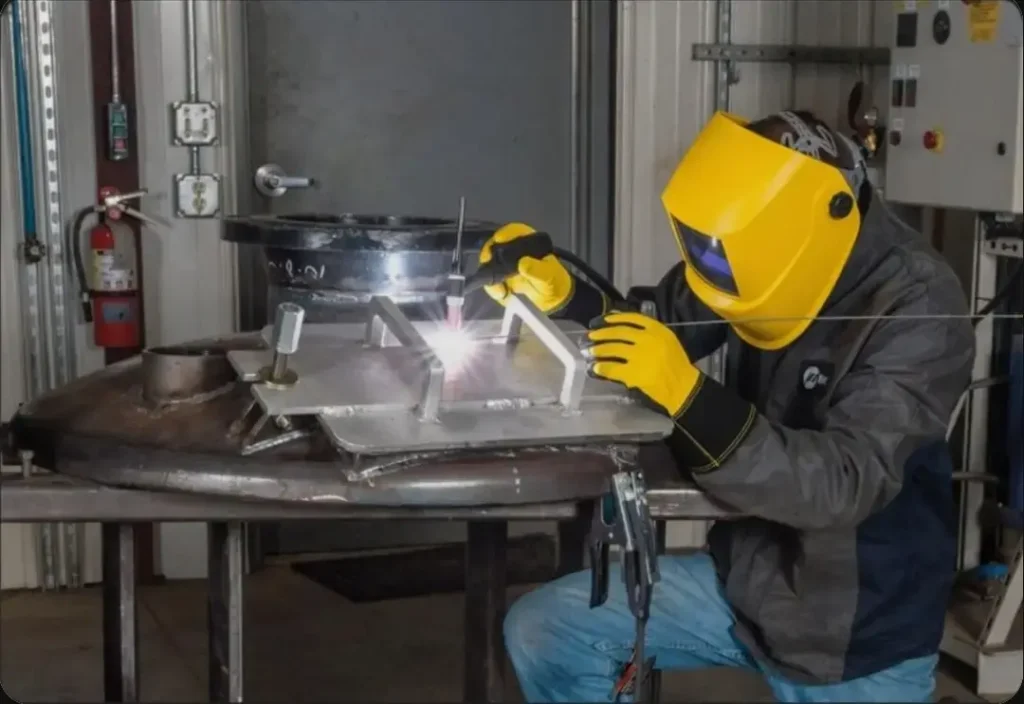
TIG welding commonly favors EN 12477 Type B gloves because the welder must control the torch, feed a fine filler rod and manipulate small components accurately. TIG also typically produces less spatter than MIG, Stick or flux-cored welding, allowing dexterity and tactile feedback to receive greater priority.
However, Type B is not automatically suitable for every TIG application. Higher heat input, long arc-on times, hot workpieces and sustained welding may require greater thermal protection. Thin leather, an unlined palm or a close fit may improve control, but these features alone do not prove EN12477 Type B certification.
MIG and MAG Welding
Type A welding gloves are often selected for MIG and MAG welding because these processes can involve greater spatter, heat accumulation and longer continuous welds. Glove construction may also need to support wire handling, rough metal contact and repeated exposure during production welding.
Light, intermittent MIG work may require a different protection–dexterity balance from high-amperage or high-duty-cycle fabrication. Buyers should therefore review the complete EN 388 and EN 407 performance levels, not rely only on a “MIG welding gloves” label.
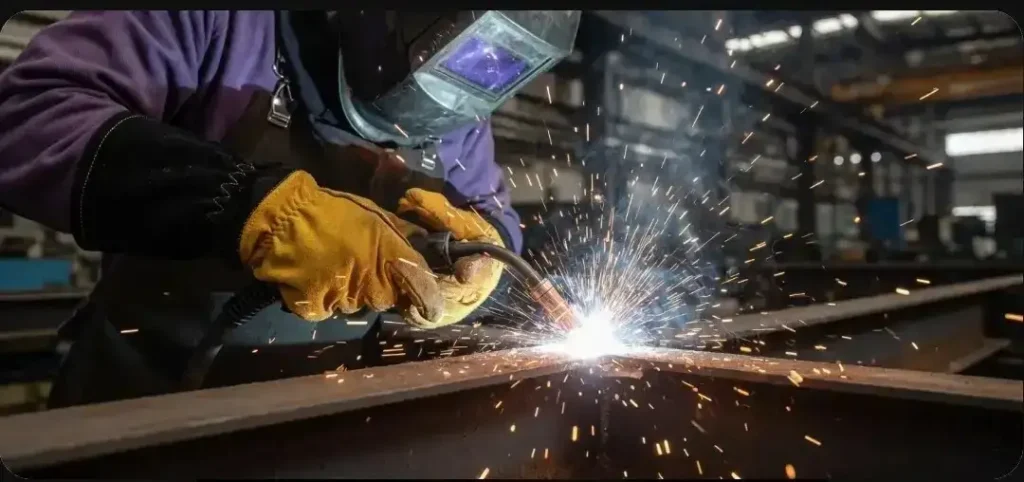
Stick and SMAW Welding
Stick welding commonly follows a Type A, protection-led direction because the work can expose the hands to spatter, slag, radiant heat, hot electrodes and rough materials. Heat may build up during long welds or repeated electrode changes.
The glove should still allow secure electrode handling and safe equipment control. Excessive bulk, poor sizing or badly positioned seams can reduce practical grip even when the glove achieves the required protection levels.
Flux-Cored Arc Welding
FCAW can generate substantial heat, spatter and slag, particularly during sustained welding and heavy fabrication. Type A gloves are therefore often considered because of their higher minimum thermal and mechanical requirements.
Important selection factors include:
- Duty cycle and arc-on time
- Slag and spatter exposure
- Abrasion from plate and fabricated components
- Handling of hot or sharp materials
- Required cuff and wrist coverage
Gas Welding and Thermal Cutting
Gas welding, brazing and thermal cutting can expose workers to open flame, hot workpieces, sparks and molten-metal particles. Glove selection should consider the fuel and cutting method, duration of exposure, required dexterity and the likelihood of handling heated metal.
Cuff or gauntlet coverage is especially important because gaps between gloves and sleeves can expose the wrist. OSHA notes that welding and cutting methods create different hazards and require operation-specific PPE assessment.
Why the Welding Process Alone Is Not Enough
The words TIG, MIG, Stick or cutting do not provide enough information to select welding gloves. The risk assessment should also consider:
- Amperage, heat input and arc-on time
- Welding position and material thickness
- Spatter and slag levels
- Workpiece temperature
- Handling of hot metal
- Sharp edges and abrasion
- Wet, oily or contaminated conditions
- Required dexterity, grip and fit
For a broader process comparison, see differences between TIG, MIG and Stick welding gloves. For the complete decision process, see how to choose welding gloves for specific hazards and tasks. and see Complete Guide to Welding Gloves.
| Process | Typical hand-protection priorities | Common classification direction | Important qualification |
|---|---|---|---|
| TIG / GTAW | Dexterity, tactile feedback, torch control and fine filler-rod handling | Often Type B | High-heat, long-duration or hot-workpiece applications may require greater thermal protection |
| MIG / MAG | Heat resistance, spatter protection, durability and wire handling | Often Type A | Light intermittent work may require a different balance from high-amperage or high-duty-cycle welding |
| Stick / SMAW | Protection from heat, spatter and slag, with secure electrode handling | Often Type A | Fit, grip and electrode control remain important despite the protection-led direction |
| FCAW | Heat, spatter, slag, abrasion and sustained welding exposure | Often Type A | Duty cycle, welding position and material handling affect exposure |
| Gas welding | Flame, contact heat, hot workpieces and sufficient hand control | Task dependent | Fuel, process, flame exposure, duration and required dexterity must be assessed |
| Thermal cutting | Heat, sparks, molten-metal particles and wrist coverage | Often protection-led | Evaluate the cutting method, exposure direction, duration and likelihood of handling hot material |
| Precision fabrication | Fine control, tactile feedback and handling of small components | Often Type B | Sharp edges, abrasion and hot components may still require higher mechanical or thermal performance |
In summary: EN 12477 Type B welding gloves are commonly considered for TIG and precision welding because they require higher dexterity. Type A gloves are commonly considered for MIG, MAG, Stick and FCAW because they require higher minimum protection in several thermal and mechanical test areas. The final selection must also consider amperage, arc-on time, spatter, heat, material handling, fit and workplace conditions.
EN 12477 Applications Across Different Industries
EN 12477 is used across welding industries as a glove-selection, safety-specification and procurement reference. It helps employers and buyers compare Type A and Type B welding gloves, review minimum thermal and mechanical performance, and verify supporting certification documents. It does not mean that one glove is suitable for every task within an industry.
Industrial users can apply the standard to:
- Match the protection–dexterity balance to the welding process.
- Specify minimum EN 12477, EN 388 and EN 407 performance.
- Verify model, size, marking and certification documentation during procurement.
Construction and Infrastructure
In construction and infrastructure welding applications, structural steel fabrication, reinforcement work and field repairs may use MIG, Stick or FCAW processes. Welders can face rough steel surfaces, sharp edges, outdoor conditions, spatter and abrasive handling.
EN 12477 can help procurement teams compare protection-led Type A gloves with other task-specific options. Selection should consider cuff coverage, abrasion and tear resistance, spatter exposure, weather conditions and the need to handle steel sections or tools.

Shipbuilding and Marine Fabrication
Shipbuilding and marine welding environments include hull fabrication, plate positioning, repair welding and hot work in confined or enclosed spaces. FCAW and Stick welding may generate sustained heat, slag and spatter during high-duty-cycle operations.
Glove specifications should consider robust mechanical performance, cuff protection, moisture, contamination and repeated contact with plate edges. EN 12477 classification is only one part of a wider hot-work and confined-space safety system.

EV and Automotive Manufacturing
In EV and automotive manufacturing, welding gloves may be used in production fabrication, robotic-welding support, equipment maintenance and precision repair. Tasks can involve thin sheet, sharp edges, heated components and repetitive handling.
Selection may prioritize dexterity, consistent fit and repeatable control for precision work, while maintenance or heavier fabrication may require stronger thermal and mechanical performance. Different tasks within the same facility may require different glove classifications.

Aerospace and Defense
Aerospace and defense welding applications may include TIG welding, thin-alloy fabrication, specialist-material handling, component repair and maintenance, repair and overhaul operations.
These tasks can require high dexterity, precise fit, certification traceability and process-specific PPE approval. An EN 12477 certificate applies to the identified glove type; it does not certify the aerospace welding procedure, production process, material, component or facility.

Oil, Gas and Refineries
Oil, gas and refinery welding operations can include pipe welding, shutdown maintenance, vessel repair and hot work in restricted areas. Potential concerns include heat, spatter, contaminated surfaces, confined spaces and compatibility with other protective equipment.
Buyers should verify the exact glove model, Type A or Type B classification, full performance codes and documentation. The glove must also work safely with sleeves, protective clothing and site-specific PPE procedures.

Steel Fabrication and Pressure-Vessel Manufacturing
Steel and pressure-vessel fabrication can involve heavy plate, long welds, high amperage, slag, hot workpieces and repeated mechanical handling. These conditions often create simultaneous thermal, abrasion and tear risks.
A protection-led specification may be appropriate, but buyers should evaluate actual EN 388 and EN 407 results rather than relying only on terms such as “heavy-duty welding gloves.”
HVAC and Industrial Systems
HVAC and industrial-system welding work includes pipe fabrication, ductwork, brazing, repair welding and maintenance in restricted-access areas.
The glove must balance flame and heat protection with the dexterity required to handle torches, filler material, fittings and small components. The correct balance depends on the process, exposure time and available working space.

General Manufacturing and MRO
General manufacturing and maintenance, repair and operations may combine TIG, MIG, Stick, brazing, cutting and intermittent hot work within one facility. A single compromise glove may not adequately address every task.
Employers should document the hazards of each operation, review complete performance ratings and provide multiple glove types where protection, dexterity, fit or exposure conditions differ.
| Industry | Common activities | Main hand hazards | EN 12477 selection focus |
|---|---|---|---|
| Construction | Structural welding, reinforcement work and field repair | Spatter, abrasion, sharp steel and outdoor exposure | Protection, cuff coverage, durability and task-appropriate dexterity |
| Shipbuilding | Hull fabrication, plate welding and confined hot work | Heat, slag, abrasion, moisture and restricted working conditions | Thermal performance, mechanical durability and wrist coverage |
| Automotive and EV | Production welding, robotic-cell support and precision repair | Heat, sharp edges, repetitive handling and heated components | Dexterity, fit, consistency and task-specific performance |
| Aerospace and defense | Precision TIG welding, specialist fabrication and component repair | Heat, fine material handling and sharp component edges | Dexterity, traceability and exact task and model verification |
| Oil, gas and refineries | Pipe welding, shutdown maintenance and vessel repair | Heat, spatter, contamination and confined-space conditions | Documented certification and compatibility with wider PPE |
| Steel and pressure vessels | Heavy-plate welding, long welds and material positioning | High heat, spatter, slag, abrasion and tear exposure | Protection-led selection supported by complete performance ratings |
| HVAC and industrial systems | Pipework, duct fabrication, brazing and repair welding | Heat, flame, sharp edges and restricted access | Balance between thermal protection, fit and fine control |
| Manufacturing and MRO | Mixed-process maintenance, repair and intermittent hot work | Variable mechanical and thermal exposure | Documented risk assessment and multiple task-specific glove options |
In summary: EN 12477 can be used across construction, shipbuilding, automotive, aerospace, oil and gas, steel fabrication, HVAC and general manufacturing to compare welding-glove protection and dexterity. Industry name alone does not determine the correct glove. Selection should be based on the welding process, heat and spatter exposure, mechanical hazards, working environment, fit and verified certification for the exact product.
Is EN 12477 Mandatory?
EN 12477 is not legislation by itself. In the European Union, compliance with Regulation (EU) 2016/425 is mandatory for welding gloves placed on the market as PPE, while using EN 12477 is generally a voluntary route for demonstrating conformity with the requirements it covers. In the United States, EN 12477 is not an OSHA-mandated certification.
EN 12477 in the European Market
PPE placed on the European Union market must comply with Regulation (EU) 2016/425, including the applicable essential health and safety requirements, conformity assessment, technical documentation, EU Declaration of Conformity and CE-marking obligations.
The applicable EU legal framework is established by Regulation (EU) 2016/425 on personal protective equipment.
EN 12477:2001 and Amendment A1:2005 are currently listed as harmonised standards supporting the PPE Regulation. Applying a harmonised standard can provide a presumption of conformity with the essential requirements covered by that standard.
However, an important distinction applies:
- The PPE Regulation is legally binding.
- Applying EN 12477 is generally voluntary.
- Manufacturers may use another technically valid method to demonstrate conformity, but they must provide sufficient evidence that the applicable legal requirements have been met.
- Claiming EN 12477 compliance requires the identified glove to meet the applicable requirements of the referenced standard edition.
For protective gloves intended for manual welding, cutting and related processes, EN 12477 is the principal welding-specific product standard where its scope applies. The legal obligation is not satisfied merely by printing EN 12477, a pictogram or Type A/Type B on a glove. The marking must be supported by appropriate testing, conformity assessment and documentation.
Is EN 12477 Required in the United States?
EN 12477 is a European welding-glove standard and is not itself an OSHA regulation or mandatory US certification system.
OSHA requires employers to select and require suitable hand protection when workers are exposed to hazards such as:
- Severe cuts and lacerations
- Abrasion
- Puncture
- Thermal burns
- Harmful temperature extremes
The type of hand protection selected must be appropriate for the identified task and workplace conditions.
A US employer, distributor or industrial buyer may still specify EN 12477-certified welding gloves for:
- Procurement requirements
- Supplier qualification
- Performance comparison
- Corporate safety specifications
- International standardization
Other standards and regulations may also be relevant. ANSI/ISEA 105-2024, for example, provides voluntary US classifications for selected mechanical, heat and related hand-protection properties, but it is not a direct replacement for the welding-specific EN 12477 standard.
International Procurement Use
Outside the European Union, EN 12477 may be used as a commercial specification or technical benchmark rather than a legal requirement.
It may appear in:
- Multinational employer specifications
- Global distributor requirements
- Tender and contract documents
- Approved-supplier programs
- PPE comparison procedures
- Welding-glove procurement policies
A buyer’s requirement to meet EN 12477 does not replace the laws of the destination market. Manufacturers, importers and distributors must also determine which local PPE, labeling, documentation, workplace-safety and product requirements apply where the gloves will be sold or used.
Technical note: This section provides general standards and compliance information. It is not legal advice for a particular country, product, transaction or workplace.
Role of EN 12477 by Market Context
| Market context | Role of EN 12477 | Additional consideration |
|---|---|---|
| European Union | Harmonised welding-glove standard that can provide a route to demonstrating conformity with the essential requirements it covers | Compliance with Regulation (EU) 2016/425, the applicable conformity assessment, technical documentation, Declaration of Conformity and CE-marking requirements remains mandatory |
| United States | Voluntary European performance and certification reference that may be specified by employers or buyers | OSHA hazard assessment, appropriate hand-protection selection and other applicable US requirements must be followed |
| International procurement | Buyer, tender, contract or supplier-qualification specification | The product must also comply with the laws, labeling rules and PPE requirements of the destination country |
| Multinational employer | Common internal benchmark for comparing welding-glove protection, dexterity and documentation across facilities | Local workplace-safety and product-compliance obligations must still be assessed for each country and operation |
In summary: EN 12477 is a harmonised welding-glove standard in the European Union, but the legally binding requirement is compliance with Regulation (EU) 2016/425. In the United States, EN 12477 is voluntary and does not replace OSHA’s hazard-based hand-protection requirements. International buyers may specify EN 12477, but destination-market laws must also be satisfied.
EN 12477 Buyer and Procurement Checklist
When buying EN 12477 welding gloves, verify the welding task, required Type A or Type B classification, complete EN 388 and EN 407 ratings, approved model and sizes, certification documents, fit and production consistency. Selection should be based on the glove’s documented performance relative to the hazards, conditions and duration of the work—not on the process name or marketing claims alone.
Define the Welding Task
Before comparing certified welding gloves, document the actual operating conditions:
- Which process is used: TIG, MIG/MAG, Stick/SMAW, FCAW, gas welding or cutting?
- What amperage, heat input and duty cycle are expected?
- How much spatter, slag or flame exposure occurs?
- Will workers handle hot workpieces?
- Are sharp edges, rough plate or wire present?
- Is precise torch or filler-rod control required?
- Is the work wet, oily, contaminated, outdoors or in a confined space?
Confirm the Required Classification
Determine whether the task requires EN 12477 Type A or Type B:
- Type A is commonly considered when higher thermal and mechanical protection is the priority.
- Type B is commonly considered when higher dexterity and precision handling are required.
The decision should follow a documented hazard assessment. Process labels such as “TIG gloves” or “MIG gloves” are not sufficient by themselves.
Request Complete Performance Information
Ask the supplier for:
- EN 12477 classification
- Full EN 388 mechanical-performance code
- Full EN 407 thermal-performance code
- Dexterity level
- Approved size range
- Size-specific glove length
- Materials, lining and reinforcements
- Intended use and documented limitations
Do not accept only selected ratings or descriptions such as “heatproof,” “cut-proof” or “heavy duty.”
Request Certification Documents
The procurement file should include or provide access to the:
- EU Type-Examination Certificate and annexes
- EN 388 and EN 407 test reports
- EU Declaration of Conformity
- Manufacturer instructions
- Approved product and packaging markings
All documents should identify the same manufacturer, exact model, construction, sizes and performance results.
Evaluate Fit and Comfort
Conduct worker trials using the intended tasks. Check:
- Correct sizing and finger length
- Natural thumb position
- Grip and tactile control
- Seam placement
- Lining movement
- Cuff and sleeve compatibility
- Ability to handle tools, torches and filler material safely
Evaluate Production Consistency
Confirm that the delivered welding gloves remain consistent with the certified type:
- Are leather, lining and reinforcement specifications controlled?
- Can materials be substituted without approval?
- How are batches traced?
- How are design or manufacturing changes reviewed?
- Does the delivered product match the approved sample?
Under the EU PPE framework, manufacturers must ensure that ongoing production remains consistent with the approved PPE type and applicable requirements.
Assess Inspection and Replacement
Remove gloves from service when inspection finds:
- Heat damage, charring or holes
- Open or weakened seams
- Hardened or cracked leather
- Oil, chemical or unknown contamination
- Wet or sweat-saturated materials
- Torn, displaced or damaged lining
- Reduced flexibility or grip
- Damaged cuffs or loss of wrist coverage
For a broader selection process, see how to choose welding gloves for specific tasks and hazards, Also see our complete guide to welding gloves.
| Procurement question | Evidence to request | Warning sign |
|---|---|---|
| Is the exact model certified? | EU Type-Examination Certificate, product annex, model reference and identifying photograph or description | Generic certificate or undefined product family |
| Which EN 12477 type is it? | Consistent Type A or Type B classification on the certificate, markings and user instructions | Classification is missing or inconsistent |
| What are the full ratings? | Complete EN 388 and EN 407 codes supported by laboratory test reports | Only selected levels or marketing descriptions are supplied |
| Are all supplied sizes covered? | Approved size range in the certificate, annex or supporting documentation | Sizes are omitted or fall outside the approved range |
| Does production match the tested type? | Product specification, bill of materials, approved construction and quality-control procedures | Uncontrolled leather, lining or reinforcement substitutions |
| Can the certificate be verified? | Certificate number, notified-body identity, annexes and current certificate status | Unverifiable, expired, incomplete or apparently edited document |
| Are limitations disclosed? | Manufacturer instructions covering intended use, heat, electrical, cleaning and replacement limitations | Absolute “heatproof,” “cut-proof” or “shockproof” claims |
| Is the glove suitable for the task? | Documented hazard assessment, fit evaluation and representative worker trial | Selection is based only on “TIG,” “MIG,” “Stick” or industry name |
| Can delivered batches be traced? | Lot, batch or production code linked to receiving and quality records | No traceability reference or inconsistent batch markings |
In summary: An EN 12477 procurement review should confirm the exact certified welding-glove model, Type A or Type B classification, complete EN 388 and EN 407 ratings, approved sizes, certificate status, documented construction and intended-use limitations. Final selection should also include a workplace hazard assessment, fit evaluation and worker trial under representative conditions.
Need Welding Gloves for Your Application?
Explore ARASWELD welding gloves selected for different tasks, hazards and working conditions. Whether your application involves TIG, MIG/MAG, Stick or industrial welding, review the available product specifications, construction and intended use before choosing. Industrial buyers, distributors and procurement teams can also contact ARASWELD regarding bulk and wholesale welding-glove requirements.
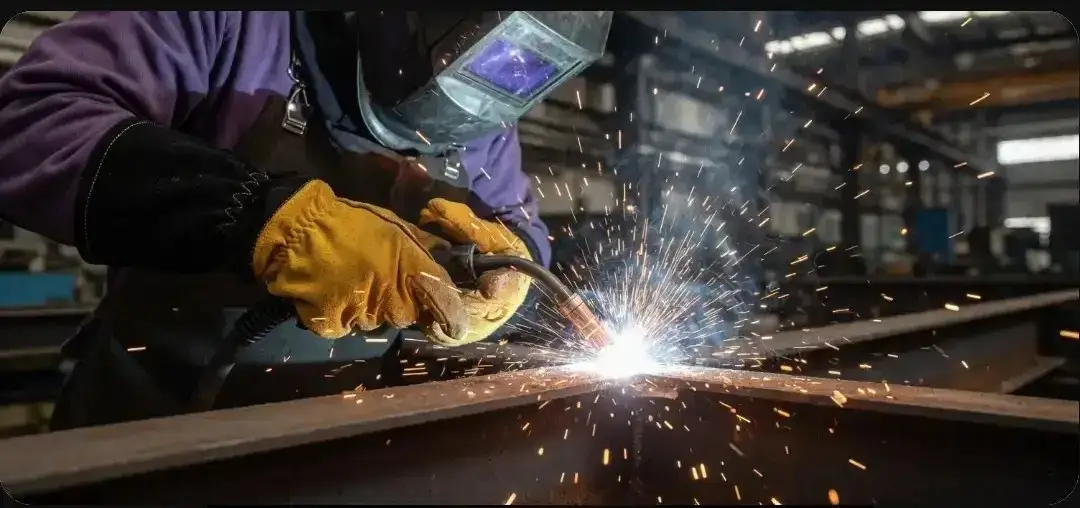
MIG/MAG Welding Gloves
View MIG/MAG Gloves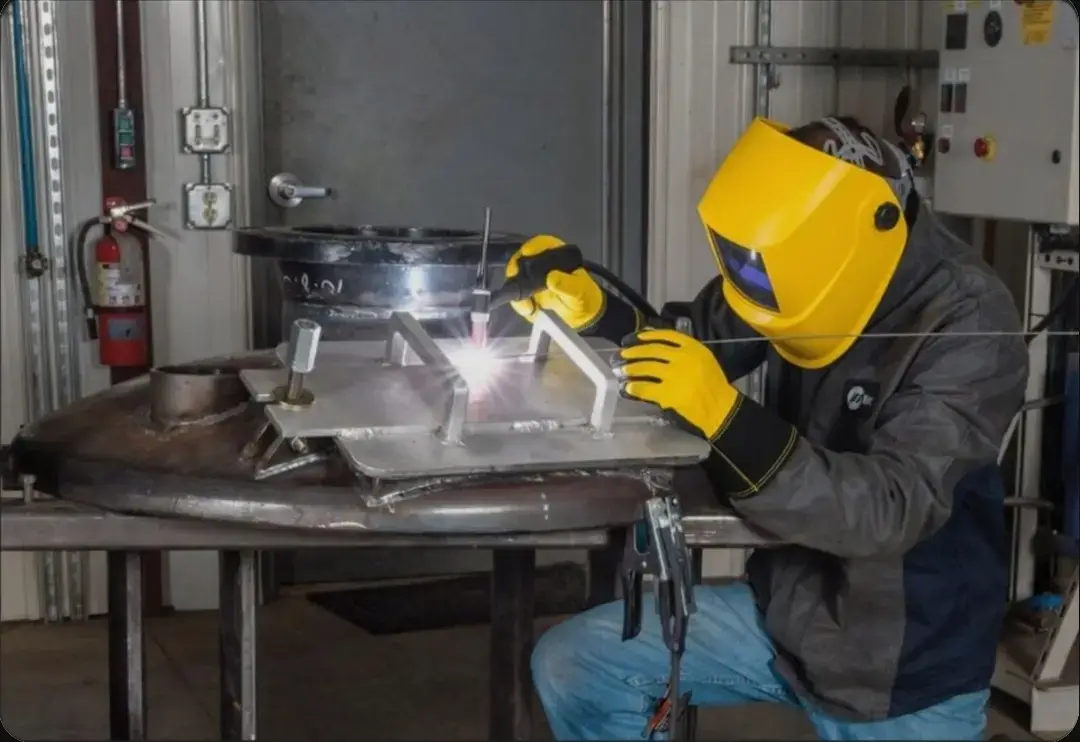
TIG Welding Gloves
View TIG Gloves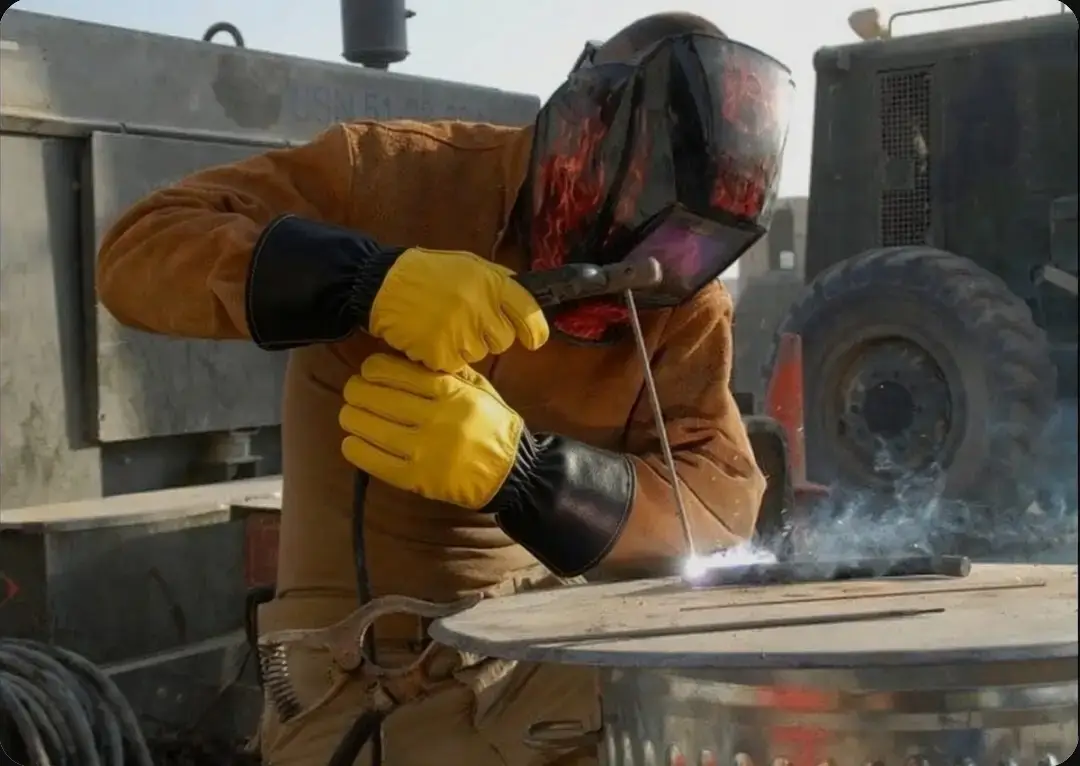
Stick Welding Gloves
View Stick GlovesEN 12477 Limitations and Common Misunderstandings
EN 12477 confirms that an identified welding-glove type has met defined requirements under controlled test conditions. It does not mean the glove is heatproof, electrically insulating, suitable for every welding task or automatically covered by another model’s certificate. Performance levels, product condition, exposure and workplace hazards must still be evaluated.
EN 12477 Gloves Are Heat-Resistant, Not Heatproof
EN 12477 welding gloves provide tested resistance to selected thermal hazards, including limited flame exposure, contact heat, convective heat and small molten-metal splashes. These results represent controlled laboratory performance levels—not unlimited protection against heat or fire.
Actual protection can be affected by:
- Temperature and exposure duration
- Repeated or sustained contact
- Wet or contaminated materials
- Holes, damaged seams or worn linings
- Leather hardening and loss of flexibility
For further guidance, see why welding gloves are heat-resistant rather than heatproof.
EN 12477 Does Not Certify Electrical-Insulating Gloves
EN 12477 includes limited electrical-resistance provisions associated with normal arc-welding conditions, but it is not certification for live electrical work. Electrical-insulating gloves intended to protect against electric shock are covered by EN/IEC 60903.
Moisture, sweat, contamination and damage can further reduce a welding glove’s electrical resistance. EN 12477 gloves must therefore not be described as electric-shock-proof.
Type A Is Not Always Better Than Type B
Type A and Type B are functional classifications, not quality grades. Type A prioritizes higher minimum thermal and mechanical protection, while Type B prioritizes higher dexterity. The correct choice depends on the welding process, exposure, required control and documented risk assessment.
EN 388 and EN 407 Do Not Automatically Equal EN 12477
EN 388 evaluates mechanical risks such as abrasion, cut, tear, puncture and optional impact, while EN 407 evaluates thermal risks including flame, heat and molten metal.
Passing those tests does not automatically establish EN 12477 certification because the welding-specific standard also addresses requirements such as:
- Type A or Type B classification
- Dexterity
- Glove length and coverage
- Marking and user information
- Welding-related electrical resistance
One Certificate Does Not Cover Every Glove from a Brand
An EU Type-Examination Certificate applies to the identified PPE type, including its approved model, construction, materials, sizes and variants. A different leather, lining, reinforcement, cuff or manufacturing method may require review and additional approval.
Certification Does Not Guarantee Suitability for Every Welding Task
EN 12477 certification does not replace workplace selection. Buyers and employers must also consider amperage, arc-on time, welding position, spatter, workpiece temperature, sharp edges, environmental conditions, material handling, fit and required additional PPE.
Technical note: Certification confirms defined performance for an approved glove type. It does not remove the need for inspection, correct sizing, task-specific risk assessment or replacement of damaged gloves.
Common EN 12477 Claims vs Accurate Interpretation
The table below summarizes the most common EN 12477 misunderstandings. The accurate interpretation is that certification applies to a documented glove type and defined performance—not absolute protection or universal task suitability.
| Misleading statement | Accurate interpretation |
|---|---|
| “EN 12477 welding gloves are heatproof.” | They provide tested resistance to selected thermal hazards at declared performance levels and under defined test conditions. |
| “Type A is always better than Type B.” | Type A prioritizes higher minimum protection, while Type B prioritizes higher dexterity. Suitability depends on the task. |
| “Type B means lower quality.” | Type B is a functional classification designed for welding tasks requiring greater dexterity and precision. |
| “EN 388 and EN 407 automatically mean EN 12477.” | EN 12477 includes additional welding-specific requirements such as Type A or B classification, dexterity, length, marking and electrical resistance. |
| “EN 12477 protects against electric shock.” | It is not electrical-insulating certification for live work. Electrical-insulating gloves are covered by EN/IEC 60903. |
| “One certificate covers every glove from the brand.” | Certification applies only to the identified product types, constructions, approved variants and size ranges. |
| “An EN 12477 pictogram proves certification.” | The marking must be checked against the certificate, test reports, Declaration of Conformity and manufacturer instructions. |
| “A laboratory test report is the certificate.” | A test report records laboratory results, while an EU Type-Examination Certificate approves an identified PPE type. |
| “A certified glove is suitable for every welding task.” | Selection must still consider process, amperage, exposure duration, spatter, material handling, environment, fit and additional PPE. |
In summary: EN 12477 certification demonstrates defined welding-glove performance for an identified product type. It does not mean the glove is heatproof, cut-proof, electrically insulating or universally suitable. Buyers should verify the exact model and documentation, then select and inspect the glove according to the welding task and workplace risk assessment.
Frequently Asked Questions About EN 12477
What Is EN 12477?
EN 12477 is the European product standard for protective gloves used in manual metal welding, cutting and allied processes. It sets requirements for mechanical performance, thermal protection, dexterity, glove dimensions, marking and user information. Compliant welding gloves are classified as Type A or Type B according to their protection–dexterity balance.
What Does EN 12477 Mean on Welding Gloves?
EN 12477 on welding gloves indicates that the identified glove type has been assessed against welding-specific requirements and classified as Type A or Type B. Buyers should also check the EN 388 mechanical code, EN 407 thermal code, exact model, size, manufacturer instructions and conformity documents. A printed marking alone does not prove valid certification.
What Is the Current EN 12477 Standard?
As of July 2026, BS EN 12477:2001, “Protective gloves for welders,” remains current and under review. The European reference is commonly used with Amendment A1:2005 as EN 12477:2001+A1:2005. A draft revision does not replace the published edition until it is formally adopted and becomes applicable.
What Is EN 12477:2001+A1:2005?
EN 12477:2001+A1:2005 combines the original 2001 welding-glove standard with its 2005 amendment. It covers protective gloves for welders, Type A and Type B classifications, referenced mechanical and thermal requirements, dexterity, dimensions and marking. The amendment also introduced provisions concerning limited electrical resistance under specified arc-welding conditions.
What Is the Difference Between EN 12477 Type A and Type B?
Type A requires higher minimum performance in several mechanical and thermal tests, while Type B requires higher minimum dexterity. Type A is protection-led; Type B is precision-led. They are functional classifications—not first- and second-quality grades. The correct choice depends on the welding task, exposure and workplace risk assessment.
Is Type A or Type B Better for TIG Welding?
Type B is commonly considered for TIG welding because it requires greater dexterity for torch positioning and filler-rod control. It is not automatically best for every TIG application. High heat input, prolonged welding, hot workpieces, sharp edges or sustained exposure may justify a glove with greater thermal or mechanical protection.
Which EN 12477 Type Is Commonly Used for MIG Welding?
Type A is commonly considered for MIG and MAG welding because these processes can involve substantial spatter, heat accumulation and longer continuous welds. Light or intermittent MIG work may require a different protection–dexterity balance. Buyers should review the exact EN 388 and EN 407 ratings instead of relying only on a “MIG glove” description.
Which EN 12477 Type Is Commonly Used for Stick Welding?
Type A is commonly considered for Stick or SMAW welding because the work may involve spatter, slag, hot electrodes, radiant heat and rough material handling. The glove must still provide secure fit, grip and electrode control. Classification should follow a task-specific hazard assessment rather than being treated as an automatic rule.
What Tests Are Required for EN 12477?
EN 12477 assessment covers mechanical, thermal, dexterity and dimensional requirements. Testing includes abrasion, blade cut, tear, puncture, burning behaviour, contact heat, convective heat and small molten-metal splashes. The standard also addresses glove length, marking, construction and limited electrical resistance. Minimum requirements differ between Type A and Type B.
Does EN 12477 Include EN 388 and EN 407?
EN 12477 uses performance areas from EN 388 for mechanical risks and EN 407 for thermal risks. However, EN 388 and EN 407 ratings alone do not establish EN 12477 certification. The welding-specific standard also includes Type A or Type B classification, dexterity, glove length, marking, information and other requirements.
Are EN 12477 Welding Gloves Heatproof?
No. EN 12477 welding gloves are heat-resistant at documented performance levels; they are not heatproof or fireproof. Laboratory results represent controlled exposure and do not provide unlimited protection. Real-world performance depends on temperature, duration, spatter, moisture, contamination, glove construction, wear, holes, damaged seams and lining condition.
Does EN 12477 Protect Against Electric Shock?
EN 12477 does not certify welding gloves as electrically insulating PPE for live work. Its amendment addresses limited electrical resistance under specified arc-welding conditions. Moisture, sweat, contamination and damage can reduce resistance. Electrical-insulating gloves intended to protect workers against electric shock are covered by IEC 60903.
What Does the EN 12477 Pictogram Mean?
EN 12477 markings should be read with the standard reference, Type A or Type B classification and the related EN 388 and EN 407 pictograms and codes. These markings communicate tested hazard categories and performance. A pictogram alone does not confirm that the exact glove has a valid certificate and matching conformity documents.
How Do You Read EN 12477 Glove Markings?
Check the manufacturer, exact model, glove size, traceability reference, CE marking where applicable, EN 12477 classification, EN 388 code, EN 407 code and information symbol. Every marking should correspond to the EU Type-Examination Certificate, laboratory reports, Declaration of Conformity and manufacturer instructions for the exact glove model.
How Can I Verify an EN 12477 Certificate?
Verify the issuing notified body and its PPE scope, then match the certificate to the exact manufacturer, model, construction, approved sizes and Type A or Type B classification. Compare the complete EN 388 and EN 407 codes, certificate dates, annexes and Declaration of Conformity. Investigate missing, inconsistent, expired or unverifiable details.
Is a Test Report the Same as an EN 12477 Certificate?
No. A test report records the samples, methods, conditions and laboratory results. An EU Type-Examination Certificate is issued by a notified body after assessing an identified PPE type. Test reports provide supporting evidence, but they do not independently demonstrate complete legal conformity or extend certification to unrelated glove models.
Does One EN 12477 Certificate Cover Every Glove Size?
Not automatically. A certificate covers only the models, constructions, variants and size range identified or approved in the certificate and its annexes. Buyers should also check which sizes were represented in the supporting test documentation. Every marketed size should not be assumed covered when the approved range is missing or unclear.
Is EN 12477 Mandatory in the United States?
No. EN 12477 is a European standard and is not an OSHA-mandated US certification. OSHA requires employers to assess workplace hazards and select appropriate hand protection for cuts, abrasion, punctures, thermal burns and temperature extremes. US employers and buyers may still specify EN 12477 voluntarily for procurement or global standardization.
Can an EN 12477 Glove Also Have ANSI/ISEA 105 Ratings?
Yes. A welding glove may have EN 12477 certification and separate ANSI/ISEA 105 ratings when it has been tested and documented under both systems. ANSI/ISEA 105-2024 provides US classifications for selected mechanical, heat and other hand-protection properties, but it is not a direct replacement for the welding-specific EN 12477 standard.
When Should Welding Gloves Be Replaced?
Replace welding gloves when they develop holes, open seams, damaged linings, charred areas, hardened or cracked leather, severe contamination, reduced grip, loss of flexibility or damaged cuff coverage. Wet or sweat-saturated gloves may also provide reduced protection. Inspect gloves before use and follow the manufacturer’s care, inspection and replacement instructions.